4626 West Jefferson Blvd. Fort Wayne, Indiana 46804


Preventing Dental Emergencies: Proactive Strategies for A Healthy Smile
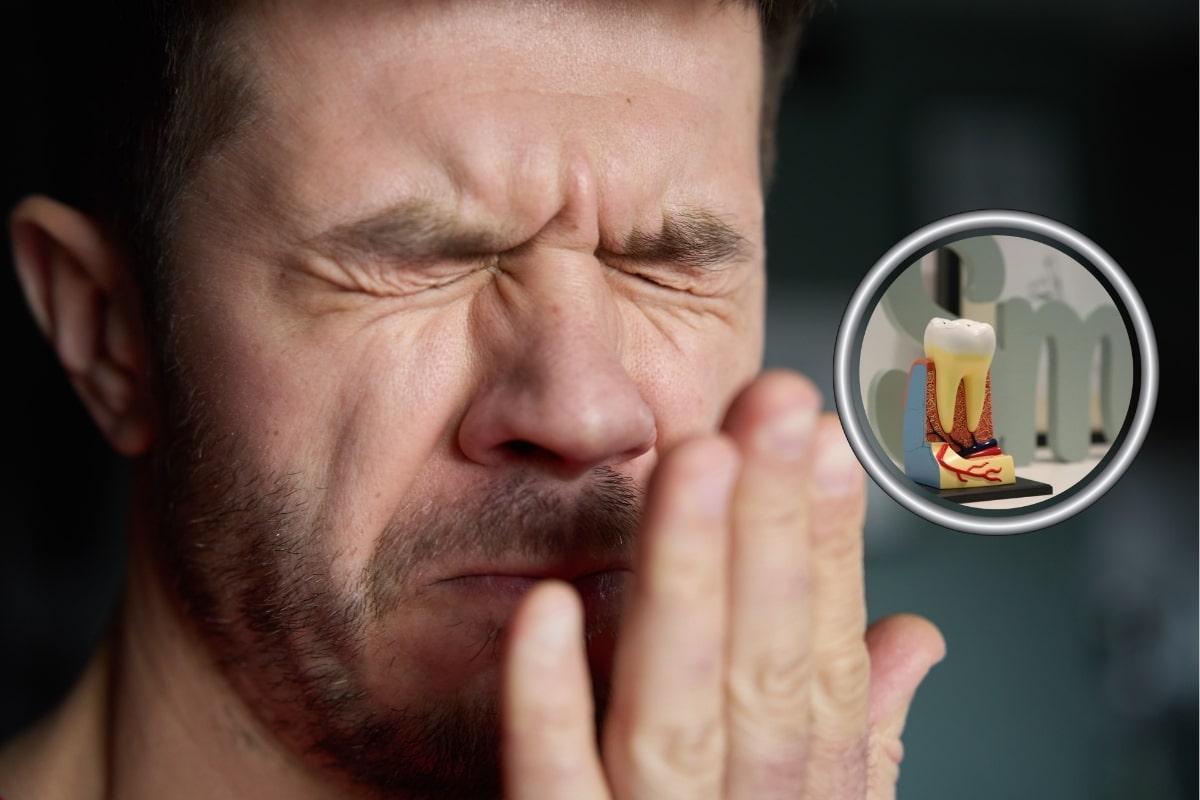
When it comes to our dental health, prevention truly is the best medicine. No one wants to experience the pain and inconvenience of a dental emergency. Taking proactive steps to prevent these emergencies is crucial for maintaining a healthy smile. This blog post will discuss dental emergencies, common types of emergencies, what to expect during such situations, and, most importantly, practical tips on avoiding them altogether.
Dental emergencies can be painful and, if left unattended, may lead to more significant problems. Therefore, it would be important to have prompt attention. We will explore the responsibilities and expertise of emergency dentists, the triage process, and the treatments commonly provided during urgent dental visits. By incorporating simple strategies into your daily routine and making regular visits to an experienced dentist, you can greatly reduce the chances of encountering a dental emergency. Let’s understand and discover the proactive measures you can take for optimal oral health!
What Is Dental Emergencies
Dental emergencies can strike unexpectedly, leaving you in pain and distress. Understanding what constitutes a dental emergency is essential for prompt action and seeking the appropriate care. A dental emergency refers to any oral health issue requiring a dentist’s immediate attention to alleviate pain, prevent further damage, or save a tooth. These emergencies can occur for various reasons, such as accidents, sports injuries, untreated tooth decay, or infections.
Common examples of dental emergencies include severe toothaches, knocked-out teeth, broken or chipped teeth, loose fillings or crowns, abscesses, or infections in the gums or teeth. All oral health issues are not considered emergencies; however, it is always better to avoid caution and seek professional advice when in doubt. During a dental emergency visit, your dentist will typically conduct an examination to assess the extent of the problem and determine the best course of treatment. This may involve X-rays to get a clear view of any underlying issues.
Remember that prevention is key when it comes to avoiding dental emergencies. Regular visits to your dentist for check-ups and cleanings help identify potential problems early on before they escalate into emergencies. Maintaining good oral hygiene practices at home by brushing twice daily with fluoride toothpaste and flossing regularly can also significantly reduce your risk of developing many common dental issues. In addition to practicing good oral hygiene habits and visiting your dentist regularly, taking precautions during physical activities where there’s an increased risk for mouth injuries can also help minimize the chances of experiencing a dental emergency.
What Are Common Dental Emergencies
Dental emergencies can happen to anyone at any time. Knowing common dental emergencies can help you be prepared and take immediate action when they occur. One of the most common dental emergencies is a toothache. This sharp or throbbing pain in the tooth can be caused by various factors such as cavities, gum disease, or even a cracked tooth. Another common emergency is a knocked-out tooth, which usually happens due to accidents or trauma to the mouth. Act quickly in this situation is crucial, and try to preserve the tooth if possible.
Chipped or broken teeth are also frequent dental emergencies. These can occur from biting down on something hard or experiencing an injury while playing sports. Sometimes, a broken filling or crown may also require immediate attention. Other dental emergencies include abscesses, painful infections that form around the root of a tooth; soft tissue injuries like cuts on the lips, tongue, or gums; and orthodontic issues such as loose brackets or wires.
What To Expect During Dental Emergencies
During dental emergencies, it’s important to know what to expect so that you can take the necessary steps for prompt treatment. Dental emergencies can range from a knocked-out tooth to severe or broken toothaches. Whatever the case, here’s a breakdown of what you might experience during these situations. If you have a knocked-out tooth, time is crucial. Acting quickly and retrieving the tooth without touching the root is essential. Rinse it gently with water and try to place it back into its socket if possible. If not, keep it in milk or saliva until you reach your emergency dentist.
In severe toothaches, which can often indicate an infection or abscessed tooth, expect intense pain and swelling around the affected area. Your emergency dentist will assess the situation and provide appropriate pain relief before addressing any underlying issues. For broken teeth or dental restorations like crowns or fillings coming off unexpectedly, expect discomfort and sensitivity when eating or drinking hot/cold substances. Your emergency dentist will evaluate the damage and determine whether immediate repair is required. During dental emergencies, quick action is vital in preserving your oral health. Contacting an emergency dentist as soon as possible ensures timely treatment and minimizes potential complications.
Tips For Preventing Dental Emergencies
Practice good oral hygiene: Brush your teeth at least twice daily and floss daily to remove plaque buildup and prevent tooth decay. This simple routine can go a long way in preventing dental emergencies.
Wear protective gear:
Wear mouthguards or helmets to protect your teeth from sudden impacts if you participate in contact sports or recreational activities that pose a dental injury risk.
Be mindful of what you eat:
Limit sugary foods and drinks as they can contribute to tooth decay and cavities. Instead, choose a balanced diet of fruits, vegetables, and dairy products, promoting healthy teeth.
Schedule regular dental check-ups:
Regular visits to your dentist allow them to identify any potential issues early on and address them before they become emergencies.
Address underlying oral health problems:
If you have gum disease or other oral health conditions, getting proper treatment is important to prevent further complications that could lead to dental emergencies.
Avoid excessive force when brushing:
Brushing too hard can damage the enamel on your teeth over time. Use gentle circular motions with a soft-bristled brush instead.
Maintaining The Healthy Smile
Taking care of your teeth is crucial for maintaining a healthy smile. Regular dental hygiene practices and preventive measures can help you avoid dental emergencies and keep your teeth in optimal condition. First and foremost, brush your teeth at least twice a day using fluoride toothpaste. Brushing removes plaque buildup and prevents tooth decay. Remember to replace your toothbrush every three to four months or when the bristles start fraying. Flossing is equally important as it helps remove food particles and plaque from between your teeth that a toothbrush can’t reach. Make it a habit to floss daily to prevent gum disease and cavities. In addition to brushing and flossing, incorporating mouthwash into your oral hygiene routine can be beneficial. Mouthwash helps kill bacteria that cause bad breath while freshening up your mouth.
A balanced diet also plays an essential role in maintaining good oral health. Limit sugary snacks and drinks as they contribute to cavity formation. Instead, opt for fruits, vegetables, dairy products, lean proteins, and whole grains that provide necessary nutrients for strong teeth. Visiting your dentist every six months allows them to detect any potential issues before they become major problems. Following these simple yet effective tips for maintaining a healthy smile, you’ll prevent dental emergencies and enjoy the confidence of having sparkling white teeth!
Dental emergencies can be painful, stressful, and disruptive to your daily life. However, taking proactive measures and following the tips outlined in this article can significantly reduce the risk of experiencing a dental emergency. It is essential to understand what constitutes a dental emergency and the common types of emergencies that may occur. Knowing these situations, you can respond promptly and seek immediate professional help. Knowing what to expect during a dental emergency can help alleviate anxiety and ensure that you receive appropriate care.
Understanding different treatment options and possible outcomes will enable you to make informed decisions about your oral health. Implementing preventive strategies is crucial for maintaining a healthy smile and reducing the likelihood of encountering dental emergencies. Regular visits to your dentist for check-ups and cleanings are vital in detecting early signs of potential issues before they escalate into emergencies. Remember to practice good oral hygiene habits at home by brushing twice daily with fluoride toothpaste, flossing daily, and eating a balanced diet rich in nutrients necessary for strong teeth and gums while limiting sugary snacks and beverages.
Following these proactive strategies consistently, you can minimize the chances of experiencing dental emergencies while promoting overall oral health. Remember that prevention is always better than cure for your smile! If ever faced with a dental emergency despite all precautions taken, don’t panic! Stay calm, contact your dentist immediately, and follow their instructions until professional assistance is available. Being prepared will go a long way in ensuring prompt resolution and returning to optimal oral health as quickly as possible.