4626 West Jefferson Blvd. Fort Wayne, Indiana 46804


How to Stop Sensitive Teeth Pain Immediately

Tooth sensitivity can strike without warning, making everyday activities like drinking cold water, enjoying hot coffee, or even breathing in cool air uncomfortable. The sharp, sudden pain often occurs when the protective enamel on your teeth wears down or when gums recede, exposing the sensitive inner layers of the tooth. Understanding how to stop sensitive teeth pain immediately can help you find relief and protect your oral health.
If your tooth sensitivity becomes severe or persistent, seeking professional care from a trusted dental office in Fort Wayne is important to identify and treat the underlying cause.
What Causes Sensitive Teeth?
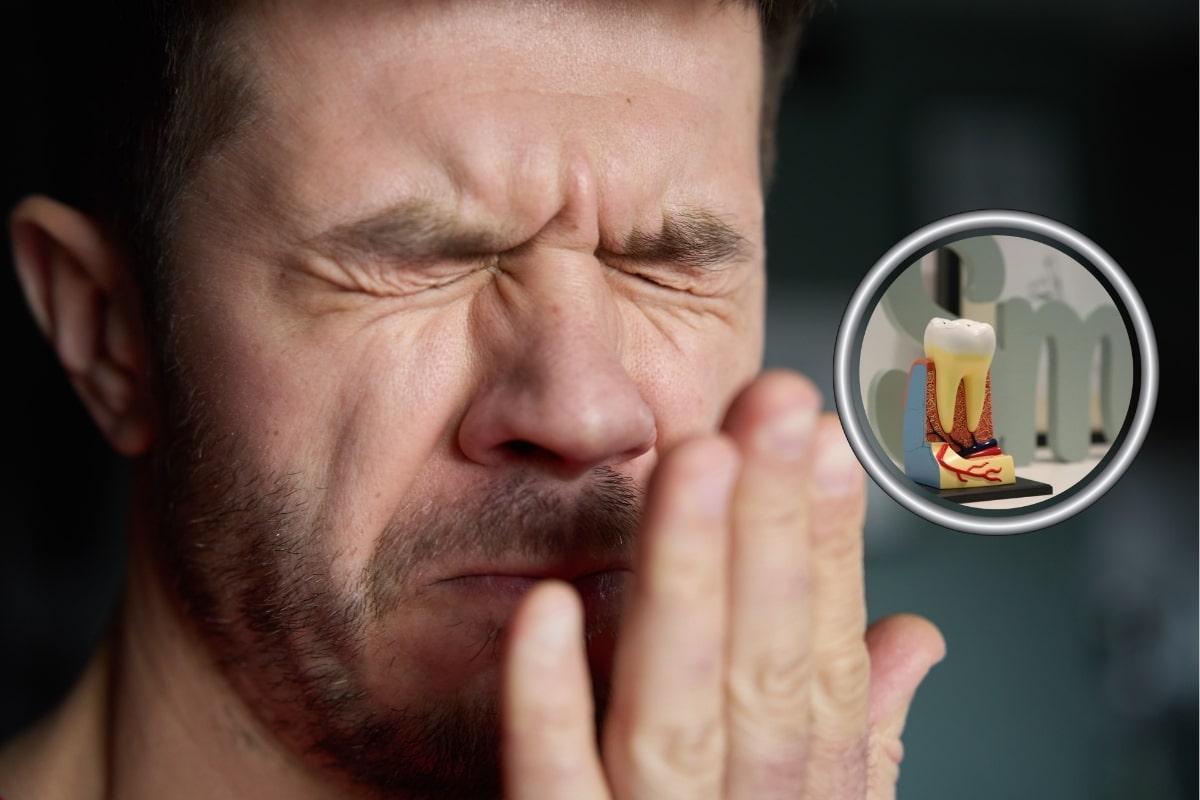
Sensitive teeth develop when the dentin layer beneath the enamel becomes exposed. This layer contains tiny tubules that connect to nerve endings inside the tooth. When exposed to hot, cold, sweet, or acidic substances, these nerves can trigger sudden pain.
Common causes include:
- Worn tooth enamel
- Gum recession
- Tooth decay
- Cracked or chipped teeth
- Teeth grinding (bruxism)
- Aggressive brushing
- Recent dental procedures
- Gum disease
Identifying the cause is the first step toward long-term relief.
Immediate Ways to Reduce Tooth Sensitivity Pain
Rinse with Warm Salt Water
A warm saltwater rinse can help reduce inflammation and cleanse the affected area. Mix half a teaspoon of salt into a glass of warm water and swish gently for 30 seconds before spitting it out.
Use Desensitizing Toothpaste
Desensitizing toothpaste contains ingredients that block pain signals from reaching the tooth nerve. Applying a small amount directly to the sensitive area may provide temporary relief while regular use can improve sensitivity over time.
Avoid Extreme Temperatures
If your teeth are sensitive, avoid very hot or very cold foods and beverages. Choosing lukewarm foods can help prevent triggering nerve pain until the sensitivity subsides.
Apply a Cold Compress for Swelling
If sensitivity is accompanied by swelling, placing a cold compress on the outside of the cheek for 15 to 20 minutes may help reduce discomfort and inflammation.
Stay Away from Acidic Foods
Citrus fruits, sodas, sports drinks, and other acidic foods can worsen sensitivity. Limiting these items can prevent additional irritation to exposed dentin.
Use a Soft-Bristled Toothbrush
Brushing too hard can wear down enamel and contribute to gum recession. A soft-bristled toothbrush and gentle brushing technique can help reduce further damage.
When Sensitivity May Signal a Dental Problem
While occasional sensitivity is common, severe or ongoing pain may indicate a more serious issue. Tooth decay, infections, cracked teeth, or gum disease can all cause symptoms similar to tooth sensitivity.
If the pain is intense, lasts for several days, or interferes with daily activities, professional evaluation is recommended. In some situations, patients may require emergency dental treatment that Fort Wayne residents trust to address urgent dental conditions and relieve pain quickly.
Professional Treatments for Sensitive Teeth
A dentist can recommend treatments based on the cause of your sensitivity. These may include:
Fluoride Applications
Professional fluoride treatments strengthen enamel and help reduce sensitivity by protecting exposed tooth surfaces.
Dental Bonding
Bonding material can cover exposed root surfaces and areas of worn enamel, helping to reduce discomfort.
Gum Grafting
For patients with significant gum recession, a gum graft may protect exposed roots and decrease sensitivity.
Treatment for Tooth Decay
Cavities can expose sensitive tooth structures. Fillings or other restorative procedures may be necessary to eliminate pain.
Night Guards for Teeth Grinding
If grinding is causing enamel wear, a custom night guard can help protect your teeth while you sleep.
Preventing Future Tooth Sensitivity
Although immediate relief is important, preventing future episodes is equally valuable. Consider these habits:
- Brush twice daily with fluoride toothpaste.
- Floss every day.
- Use a soft-bristled toothbrush.
- Avoid aggressive brushing.
- Limit acidic foods and beverages.
- Wear a night guard if you grind your teeth.
- Visit your dentist regularly for preventive care.
These simple practices can help protect enamel and keep sensitivity under control.
Trusted Dental Care in Fort Wayne
At Family Dentistry & Aesthetics, patients receive comprehensive dental care designed to address sensitivity, discomfort, and underlying oral health concerns. Whether the issue is worn enamel, gum recession, or tooth damage, professional treatment can help restore comfort and protect your smile.
Persistent tooth sensitivity should never be ignored. If discomfort continues or worsens, contact our dental office or call us at (260) 432-0561+1 to discuss your symptoms and receive personalized care. To learn more about treatment options, book an appointment with our team today.
Frequently Asked Questions
1. What causes sudden tooth sensitivity?
Sudden tooth sensitivity may result from enamel wear, gum recession, tooth decay, a cracked tooth, or recent dental treatment that exposes sensitive areas of the tooth.
2. Can sensitive teeth heal on their own?
Mild sensitivity may improve when irritation is removed, but underlying causes such as cavities, gum recession, or enamel loss often require professional treatment.
3. Does desensitizing toothpaste work immediately?
Some people notice relief after a few uses, while others may need several weeks of consistent application before experiencing significant improvement.
4. Why do cold drinks hurt my teeth?
Cold beverages can stimulate nerves inside exposed dentin tubules when enamel wears away or gums recede, creating a sharp, temporary pain sensation.
5. Can a cavity cause tooth sensitivity?
Yes. Tooth decay can expose deeper tooth layers, making the affected tooth more sensitive to temperature changes, sweets, and pressure.
6. Is tooth sensitivity considered a dental emergency?
Sensitivity alone may not be an emergency, but severe pain, swelling, infection, or a cracked tooth should be evaluated promptly by a dental professional.
7. How can I prevent sensitive teeth in the future?
Using fluoride toothpaste, brushing gently, limiting acidic foods, treating grinding habits, and maintaining regular dental visits can help reduce future sensitivity.