4626 West Jefferson Blvd. Fort Wayne, Indiana 46804


How to Manage Metallic Taste After Getting Implants

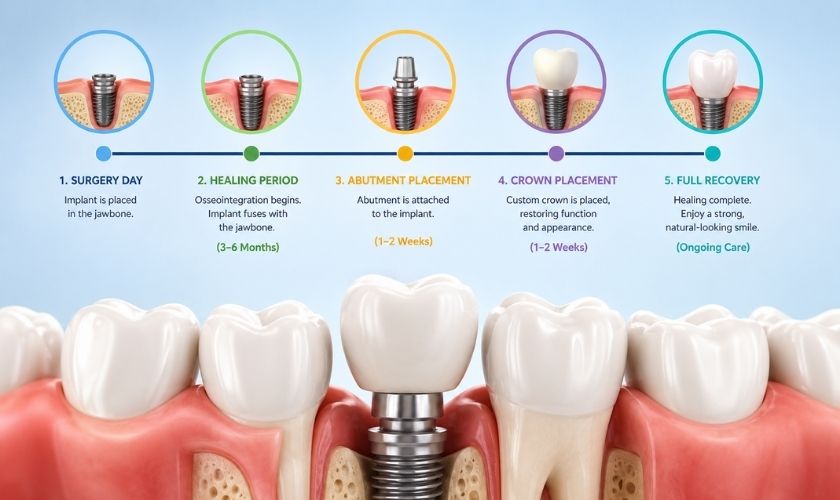
Dental implants are one of the most reliable solutions for replacing missing teeth, restoring both function and appearance. While most patients experience a smooth recovery, some notice an unusual metallic taste in their mouth after the procedure. Although this can be concerning, it is often temporary and manageable with proper care.
If you’ve recently undergone dental implant treatment in Fort Wayne and are wondering why you have a metallic taste, this guide explains possible causes, effective ways to manage it, and when to seek professional care.
Is a Metallic Taste After Dental Implants Normal?
A metallic taste after dental implant surgery is not uncommon during the early healing phase. Many patients notice this sensation for a few days following the procedure. In most cases, it gradually fades as the tissues heal and the mouth returns to normal.
The taste may result from the surgical procedure itself, healing tissues, or certain medications prescribed after treatment. While temporary changes in taste are generally harmless, persistent symptoms should always be evaluated by your dentist.
Common Causes of Metallic Taste After Dental Implants
Several factors may contribute to this temporary sensation.
1. Blood From the Surgical Site
After implant placement, minor bleeding is expected. Blood contains iron, which naturally creates a metallic taste in the mouth. This usually improves within the first 24 to 48 hours as bleeding subsides.
2. Healing Process
The gums and surrounding tissues begin repairing themselves immediately after implant surgery. During this healing period, fluids released by the tissues can temporarily alter your sense of taste.
3. Prescription Medications
Antibiotics, pain relievers, and certain anti-inflammatory medications commonly prescribed after implant surgery can produce a metallic or bitter taste as a side effect.
Always take medications exactly as directed unless advised otherwise by your dentist.
4. Dry Mouth
Some patients experience reduced saliva production after surgery due to medications or temporary mouth breathing. Since saliva helps cleanse the mouth, reduced saliva can make unusual tastes more noticeable.
5. Poor Oral Hygiene
Food particles and bacteria can collect around the surgical area if cleaning instructions aren’t followed carefully. This buildup may create an unpleasant metallic or bad taste while also increasing the risk of infection.
6. Minor Inflammation
Mild swelling and inflammation are normal after implant placement. As the tissues recover, temporary changes in taste perception may occur.
How to Manage Metallic Taste After Dental Implants
Fortunately, there are several simple ways to reduce this uncomfortable sensation.
Maintain Excellent Oral Hygiene
Continue brushing your teeth gently while avoiding excessive pressure around the surgical site.
Your dentist may recommend:
- A soft-bristled toothbrush
- Gentle flossing when appropriate
- Antibacterial mouth rinse
- Careful cleaning around the implant
Keeping the area clean helps reduce bacteria that may contribute to unpleasant tastes.
Stay Hydrated
Drink plenty of water throughout the day. Good hydration helps:
- Increase saliva production
- Wash away bacteria
- Reduce dry mouth
- Improve overall healing
Avoid sugary beverages whenever possible.
Follow All Post-Operative Instructions
Your dentist provides recovery instructions specifically designed to promote successful implant healing.
These typically include:
- Eating soft foods
- Avoiding smoking
- Limiting alcohol
- Taking medications properly
- Attending follow-up appointments
Following these recommendations significantly supports healing and minimizes temporary symptoms.
Eat Mild Foods
Soft, nutritious foods are easier on the healing tissues and less likely to intensify unusual tastes.
Good choices include:
- Yogurt
- Mashed potatoes
- Oatmeal
- Scrambled eggs
- Smooth soups
- Applesauce
- Cottage cheese
Avoid spicy or acidic foods if they worsen the metallic sensation.
Rinse With Warm Salt Water
After the first day (or as directed by your dentist), warm salt-water rinses may help keep the surgical site clean while soothing irritated tissues.
Do not rinse vigorously, especially during the first 24 hours after surgery.
Avoid Smoking
Smoking slows healing, increases infection risk, and may make unusual tastes persist longer.
Patients who avoid tobacco generally experience smoother implant recovery and better long-term outcomes.
When Could a Metallic Taste Be a Problem?
Although temporary taste changes are usually harmless, persistent symptoms should not be ignored.
Contact your dentist if you notice:
- Metallic taste lasting several weeks
- Severe swelling
- Increasing pain
- Persistent bleeding
- Fever
- Pus around the implant
- Loose implant
- Difficulty chewing
These symptoms could indicate infection or another complication requiring prompt treatment.
Tips to Support Faster Implant Healing
Your daily habits play an important role in successful implant recovery.
Helpful habits include:
- Brush carefully twice daily.
- Drink enough water.
- Eat nutrient-rich foods.
- Get sufficient sleep.
- Avoid smoking and tobacco.
- Limit alcohol intake.
- Attend scheduled dental visits.
- Follow all home-care instructions.
These simple practices encourage healthy gum healing and successful implant integration.
Long-Term Implant Care
Once healing is complete, dental implants require regular maintenance similar to natural teeth.
Long-term care includes:
- Daily brushing
- Daily flossing
- Professional dental cleanings
- Routine examinations
- Healthy eating habits
- Wearing a nightguard if recommended for teeth grinding
Regular maintenance helps implants remain healthy and functional for many years.
At Family Dentistry & Aesthetics, patients receive personalized implant care designed to support both healing and long-term oral health.
Conclusion
A metallic taste after getting dental implants is often a temporary part of the healing process. It may result from minor bleeding, medications, healing tissues, or dry mouth and usually resolves within a few days. Maintaining good oral hygiene, staying hydrated, and following your dentist’s instructions can help minimize this sensation while promoting a successful recovery.
If the metallic taste persists or is accompanied by swelling, pain, or signs of infection, professional evaluation is important. Choosing an experienced dental practice for implant care helps ensure proper healing and lasting results. Be sure to check our patient reviews to learn about others’ experiences, and if you’re ready to restore your smile, book an appointment by calling +12608888906.
Frequently Asked Questions
1. How long does a metallic taste last after dental implant surgery?
Most patients notice improvement within a few days. Minor bleeding, healing tissues, or medications commonly cause the taste, which usually disappears as recovery progresses.
2. Can antibiotics cause a metallic taste after implants?
Yes. Certain antibiotics and pain medications may temporarily alter taste perception. The sensation often resolves once the medication course is completed.
3. Is a metallic taste a sign of implant failure?
Not usually. A temporary metallic taste is common after surgery. Implant failure is more often associated with severe pain, mobility, swelling, or infection.
4. Can poor oral hygiene make the metallic taste worse?
Yes. Plaque and bacteria around the healing implant may contribute to unpleasant tastes. Gentle daily cleaning helps keep the area healthy during recovery.
5. Should I use mouthwash if I notice a metallic taste?
Only use mouthwash recommended by your dentist. Some antibacterial rinses support healing, while others may irritate the surgical site if used too early.
6. Does dry mouth contribute to a metallic taste?
Yes. Reduced saliva allows tastes to linger longer. Drinking water regularly and staying hydrated can help lessen this temporary sensation.
7. When should I contact my dentist about a metallic taste?
Seek evaluation if the taste lasts several weeks or occurs with fever, increasing pain, swelling, pus, or a loose implant, as these may indicate complications.