4626 West Jefferson Blvd. Fort Wayne, Indiana 46804


How to Reduce Gum Swelling: Causes & Care
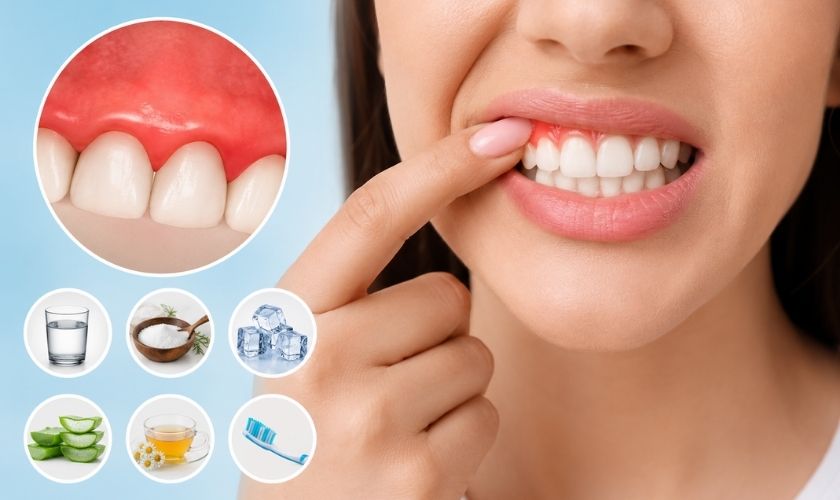
Gum swelling can make your mouth feel sore, tender, or uncomfortable when eating and brushing. It may develop around one tooth or affect a larger area of the gums. While mild swelling can sometimes improve with better oral hygiene, persistent or severe swelling may indicate an underlying dental problem that needs professional attention.
Understanding the possible cause is the first step toward knowing how to reduce gum swelling safely and effectively.
What Causes Swollen Gums?
Several conditions can cause the gums to become enlarged, red, or tender. One of the most common is plaque buildup. When plaque remains along the gumline, bacteria can irritate the tissues and contribute to gingivitis. If gum disease progresses, inflammation can become more significant and may eventually affect the supporting structures around the teeth.
Other possible causes include:
- Food trapped between teeth
- Poor brushing or flossing habits
- Gum disease
- A dental abscess or other infection
- Irritation from dental appliances
- Hormonal changes
- Certain medications
- Trauma or injury to the gums
Some medications and systemic conditions can also contribute to gum enlargement, so recurring swelling should not always be assumed to be caused by plaque alone.
How to Reduce Gum Swelling at Home
If the swelling is mild and not associated with severe pain or infection, several simple habits may help calm irritated gums.
1. Brush Gently
Continue brushing twice a day with a soft-bristled toothbrush. Avoid aggressive scrubbing, which can further irritate already-sensitive gum tissue. Use gentle circular motions along the gumline to remove plaque without causing additional trauma.
2. Clean Between Your Teeth
Flossing or using another appropriate interdental cleaner can remove food particles and plaque from areas a toothbrush cannot reach. Cleaning between the teeth every day is an important part of controlling gum inflammation.
3. Rinse With Warm Salt Water
A warm salt-water rinse may provide temporary comfort when gums are irritated. Swish gently rather than vigorously, and avoid using extremely hot water that could burn your mouth.
4. Drink Plenty of Water
Staying hydrated supports saliva production and helps keep the mouth cleaner. Water can also help wash away loose food particles and reduce the effects of sugary or acidic foods and beverages.
5. Avoid Irritating Foods
When your gums are swollen, temporarily avoid foods that are very spicy, acidic, crunchy, or extremely hot. Softer foods may be more comfortable while the tissues are tender.
6. Don’t Smoke or Use Tobacco
Tobacco use can negatively affect gum health and make it harder for irritated tissues to recover. Avoiding tobacco is an important part of maintaining healthier gums.
When Gum Swelling Needs Professional Treatment
Home care may help with minor irritation, but it cannot eliminate every cause of gum swelling. If plaque and tartar have contributed to gum disease, professional cleaning may be necessary. In more advanced cases, a deep cleaning called scaling and root planing can remove buildup below the gumline.
Swelling around a single tooth can sometimes be associated with decay, a damaged tooth, or an infection. Dental infections require appropriate dental treatment rather than simply trying to control the swelling at home.
Antibiotics are not automatically needed for every dental swelling. The American Dental Association recommends prioritizing appropriate dental treatment for many localized dental conditions, reserving antibiotics for situations where they are indicated, such as when systemic involvement develops.
If swelling is accompanied by fever, facial swelling, difficulty swallowing, difficulty breathing, severe pain, or a rapidly worsening condition, seek urgent professional care.
Preventing Gum Swelling in the Future
The best way to reduce recurring gum swelling is to maintain consistent oral hygiene and address dental problems early. Brush twice daily, clean between your teeth every day, limit frequent sugary snacks and drinks, avoid tobacco, and maintain regular dental examinations and cleanings.
Professional preventive care can identify inflammation, cavities, gum disease, and other concerns before they become more complicated.
At Family Dentistry & Aesthetics, maintaining healthy gums is an important part of comprehensive dental care.
Meet Dr. Thomas M. Gilbert
Dr. Thomas M. Gilbert earned his Doctor of Dental Surgery degree from Indiana University School of Dentistry and has advanced training in restorative dentistry and dental implantology.
He provides general and family dentistry with a particular interest in complex restorative and implant care.
If swelling continues despite good home care, it is important to have the underlying cause evaluated rather than repeatedly treating the symptom. Contact Us to discuss persistent gum concerns and determine whether an examination is appropriate.
For patients who need ongoing preventive or restorative care, you can also visit our dental office for personalized evaluation and treatment.
Frequently Asked Questions
- How long does gum swelling usually last?
Mild gum irritation may improve within a few days after better brushing and interdental cleaning. Swelling that persists, worsens, or repeatedly returns may indicate gum disease, infection, or another problem requiring evaluation.
- Can salt water reduce swollen gums?
A warm salt-water rinse may temporarily soothe irritated gums and help keep the mouth cleaner. However, it does not treat underlying causes such as advanced gum disease, decay, or a dental infection.
- Should I stop brushing when my gums are swollen?
No. Stopping brushing can allow more plaque to accumulate and potentially worsen inflammation. Instead, use a soft-bristled toothbrush and gentle movements, particularly around tender areas.
- Why is only one area of my gum swollen?
Swelling around one tooth can result from trapped food, localized gum inflammation, irritation, decay, or infection. Persistent swelling in one area should be evaluated because the underlying cause may require specific treatment.
- Can gum swelling go away on its own?
Minor irritation may resolve after improving oral hygiene and avoiding irritants. However, swelling caused by infection, significant gum disease, or an abscess generally requires professional treatment rather than waiting for it to disappear.
- When is swollen gum considered an emergency?
Seek urgent dental or medical care if swelling is severe or rapidly increasing, particularly when accompanied by fever, facial swelling, difficulty breathing, or difficulty swallowing. These symptoms can indicate a spreading infection.
- How can I prevent swollen gums from coming back?
Brush twice daily, clean between your teeth every day, avoid tobacco, maintain a balanced diet, and keep regular dental appointments. Professional cleanings can also help control plaque and tartar buildup.