4626 West Jefferson Blvd. Fort Wayne, Indiana 46804


Is Bone Grafting a Painful Procedure?
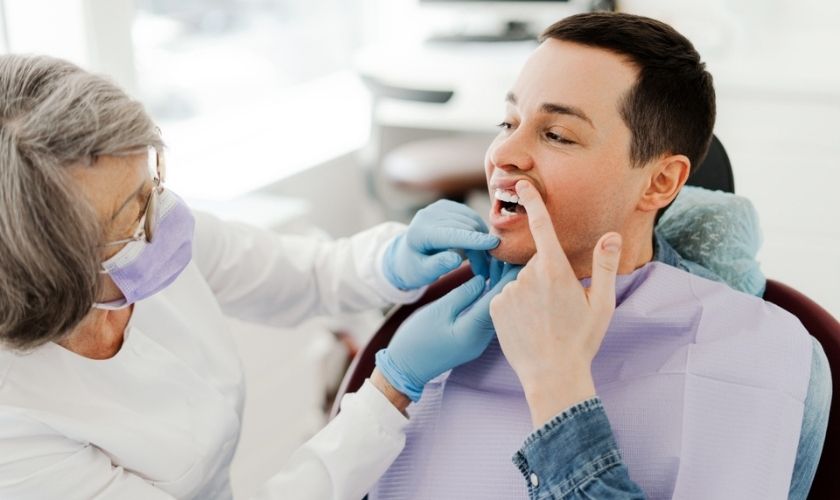
Hearing that you need a dental bone graft can raise several questions. You may wonder what the procedure involves, why you need it, how long healing takes, and, most importantly, whether bone grafting is painful.
Jawbone restoration helps rebuild areas of the jaw that have lost bone. Periodontists often recommend it before dental implant placement or when bone loss threatens oral health.
The procedure may sound intimidating, but anesthesia helps keep you comfortable during treatment. Most patients experience soreness, swelling, or tenderness afterward rather than significant pain.
Understanding each stage of the process can help you know what to expect and prepare for recovery.
Does Bone Grafting Hurt During the Procedure?
Most patients should not feel pain during a dental bone graft because the dental team numbs the treatment area with local anesthesia.
Your dental provider may also discuss sedation when appropriate. Sedation can help patients who feel anxious about oral surgery remain calm and comfortable.
You may notice pressure or movement during the procedure. However, you should not feel sharp pain. Tell your dental team if you feel uncomfortable so they can address it immediately.
Once the anesthesia wears off, you may experience:
- Tenderness around the surgical area
- Mild to moderate soreness
- Swelling
- Minor bruising
- Slight bleeding during the early recovery period
These symptoms commonly improve as the area heals.
What Is Dental Bone Grafting?
A dental bone graft adds grafting material to an area of the jaw that lacks enough bone.
After placement, the graft forms a framework that supports new bone development. Over time, your body builds bone around the graft and strengthens the treatment area.
The dental professionals may use different types of grafting materials depending on the patient’s needs. The material may come from your own body, a human donor, an animal source, or a synthetic material.
Your periodontal specialist will determine which approach fits your oral health, bone condition, and treatment plan.
Why Might You Need a Dental Bone Graft?
Your jawbone depends on stimulation from tooth roots to maintain its volume. When you lose a tooth, the bone in that area no longer receives the same stimulation. The jaw can gradually lose bone as a result.
Other oral health conditions can also contribute to bone loss.
Your periodontist may recommend jawbone restoration because of:
- Bone loss following tooth loss
- Advanced gum disease
- Facial or dental trauma
- Bone loss around an existing tooth
- Insufficient jawbone for dental implant placement
- Changes in jawbone structure after a tooth extraction
A clinical examination and dental imaging help your provider evaluate your bone and determine whether you need grafting.
Why Is Bone Grafting Sometimes Needed Before Dental Implants?
Dental implants need adequate bone for support.
An implant sits inside the jawbone and functions as an artificial tooth root. If the jaw lacks enough height, width, or density, it may not provide the support that an implant needs.
A bone graft can rebuild the treatment area before implant placement.
However, not every patient who needs a dental implant also needs a bone graft. Your periodontal specialist will evaluate your jaw with an examination and imaging before making that decision.
In some cases, your provider may place the bone graft and dental implant during the same appointment. Other cases require the graft to heal before implant placement.
How Much Pain Can You Expect After a Bone Graft?
Pain levels vary from person to person. The size and location of the graft can also affect your recovery.
Many patients experience mild to moderate soreness during the first few days. The discomfort should gradually decrease as healing progresses.
Your dental provider may recommend or prescribe medication to control discomfort. Follow the dosage instructions carefully and ask before combining prescription medication with over-the-counter pain relievers.
Swelling may increase during the first few days before it begins to improve. A cold compress can help control swelling when your dental team recommends one.
If pain suddenly becomes worse instead of improving, contact your dental provider.
How Long Does Bone Graft Recovery Take?
Initial recovery and complete bone healing follow different timelines.
The gums and surgical site may begin to feel better within one or two weeks. However, the bone underneath needs much more time to heal and mature.
Bone development can take several months. The exact timeline depends on:
- The location of the graft
- The amount of bone that requires rebuilding
- The type of grafting material
- Your general health
- Your oral health
- Your body’s healing response
- Your adherence to aftercare instructions
If you need a dental implant, your periodontist will monitor the graft before deciding when to proceed with implant placement.
Rather than relying on a fixed timeline, attend your follow-up appointments so your provider can evaluate your progress.
What Can You Expect During Bone Graft Recovery?
Your dental team will provide instructions based on your procedure.
During the early healing period, you may need to adjust your diet, oral hygiene, and exercise routine. Protecting the graft site gives the area time to heal without unnecessary irritation.
Eat Soft Foods
Choose foods that require little chewing during the first stage of recovery. Options may include yogurt, eggs, mashed potatoes, applesauce, and other soft foods.
Follow your provider’s recommendations about when to return to your normal diet.
Avoid Disturbing the Graft Site
Do not touch the area with your fingers or repeatedly explore it with your tongue.
Your provider may also ask you to avoid chewing directly over the graft site for a certain period.
Keep Your Mouth Clean
Oral hygiene remains important during recovery, but you need to treat the surgical area carefully.
Follow your dental team’s instructions for brushing, rinsing, and cleaning around the graft. Do not aggressively brush the surgical site unless your provider tells you to do so.
Limit Strenuous Activity
Heavy exercise can increase blood flow and may contribute to bleeding or throbbing during early recovery.
Ask your provider when you can safely return to workouts, sports, or physically demanding work.
Take Medication as Directed
If your dental provider prescribes medication, take it exactly as directed.
Do not stop antibiotics early unless your provider tells you to do so. Ask your dental team before adding other medications or supplements during recovery.
Keep Your Follow-Up Appointments
Follow-up visits allow your periodontal specialist to evaluate the surgical site and monitor healing.
These appointments become especially important when bone grafting forms part of a larger treatment plan involving dental implants.
What Should You Avoid After a Dental Bone Graft?
Certain habits can interfere with early healing.
Your dental provider may ask you to avoid:
- Hard or crunchy foods
- Chewing directly on the surgical area
- Vigorous rinsing during early recovery
- Strenuous exercise
- Touching or picking at the surgical site
- Smoking or using tobacco products
- Ignoring prescribed aftercare instructions
Always follow the instructions from the dental team that performed your procedure. Your individual recovery needs may differ from those of another patient.
What Are the Signs That a Bone Graft May Need Attention?
Some soreness and swelling can occur after oral surgery. However, symptoms should generally improve rather than become more intense.
Contact your periodontist if you develop:
- Severe or increasing pain
- Heavy or persistent bleeding
- Increasing swelling after the expected early recovery period
- Fever
- Pus or unusual drainage
- A foul taste or odor that persists
- Significant graft material coming from the surgical site
- Any symptom that concerns you
Do not wait for a scheduled follow-up appointment if your symptoms suddenly become severe.
Can a Dental Bone Graft Fail?
Jawbone restoration has predictable outcomes for many patients, but no surgical procedure comes with a guarantee.
Infection, poor healing, tobacco use, certain health conditions, or disruption of the graft site can affect healing. The condition of the treatment area also matters.
You can support the healing process by following your aftercare instructions, maintaining appropriate oral hygiene, avoiding tobacco, and attending follow-up visits.
Your dental provider can also identify potential concerns early during these appointments.
Is Bone Grafting Worth It Before Dental Implants?
The answer depends on your individual oral health and treatment goals.
When significant bone loss prevents predictable implant placement, a bone graft can rebuild the area and create a stronger foundation for future treatment. It may also help preserve jaw structure after certain extractions.
However, you should not assume that you need grafting simply because you want a dental implant.
A periodontal specialist needs to evaluate your jawbone, oral health, medical history, and treatment goals before recommending the procedure.
Take the Next Step Toward Restoring Your Jawbone
Bone grafting may sound complex, but understanding the procedure can make treatment feel more manageable. Local anesthesia helps keep you comfortable during surgery, while appropriate aftercare can help control soreness and support healing afterward.
At Family Dentistry & Aesthetics, Dr. Gilbert can evaluate your jawbone, review your dental imaging, and explain whether jawbone restoration may support your oral health or future dental implant treatment.
If you have missing teeth, bone loss, or questions about preparing for dental implants, schedule an appointment to discuss your treatment options and next steps.
Frequently Asked Questions
Is dental bone grafting painful?
Local anesthesia helps prevent pain during the procedure. You may experience soreness, swelling, or tenderness after the anesthesia wears off. These symptoms often improve during the early recovery period.
How long does pain last after a dental bone graft?
Many patients notice the most discomfort during the first few days. Pain should gradually decrease as healing progresses. Contact your dental provider if pain becomes severe or suddenly worsens.
Can I eat normally after a bone graft?
You may need to follow a soft-food diet during early recovery. Avoid hard, crunchy, or chewy foods near the graft site until your dental provider clears you to resume your normal diet.
How long does a dental bone graft take to heal?
Your gums may begin feeling better within one or two weeks, but the underlying bone often needs several months to mature. Your treatment plan, graft size, health, and healing response can affect the timeline.
Does everyone need a bone graft before dental implants?
No. Patients who have adequate jawbone may receive an implant without bone grafting. Your provider will use an examination and dental imaging to determine whether your jaw can support an implant.
Can a dentist perform a bone graft?
Dentists with appropriate training may perform certain bone grafting procedures. Periodontists and oral surgeons also perform bone grafting, particularly when patients have extensive bone loss or more complex surgical needs.
When should I call the dentist after a bone graft?
Contact your dental provider if you experience severe pain, persistent bleeding, fever, unusual drainage, worsening swelling, or other unexpected symptoms.