4626 West Jefferson Blvd. Fort Wayne, Indiana 46804


Safe Implant Surgery with High Blood Pressure or Diabetes
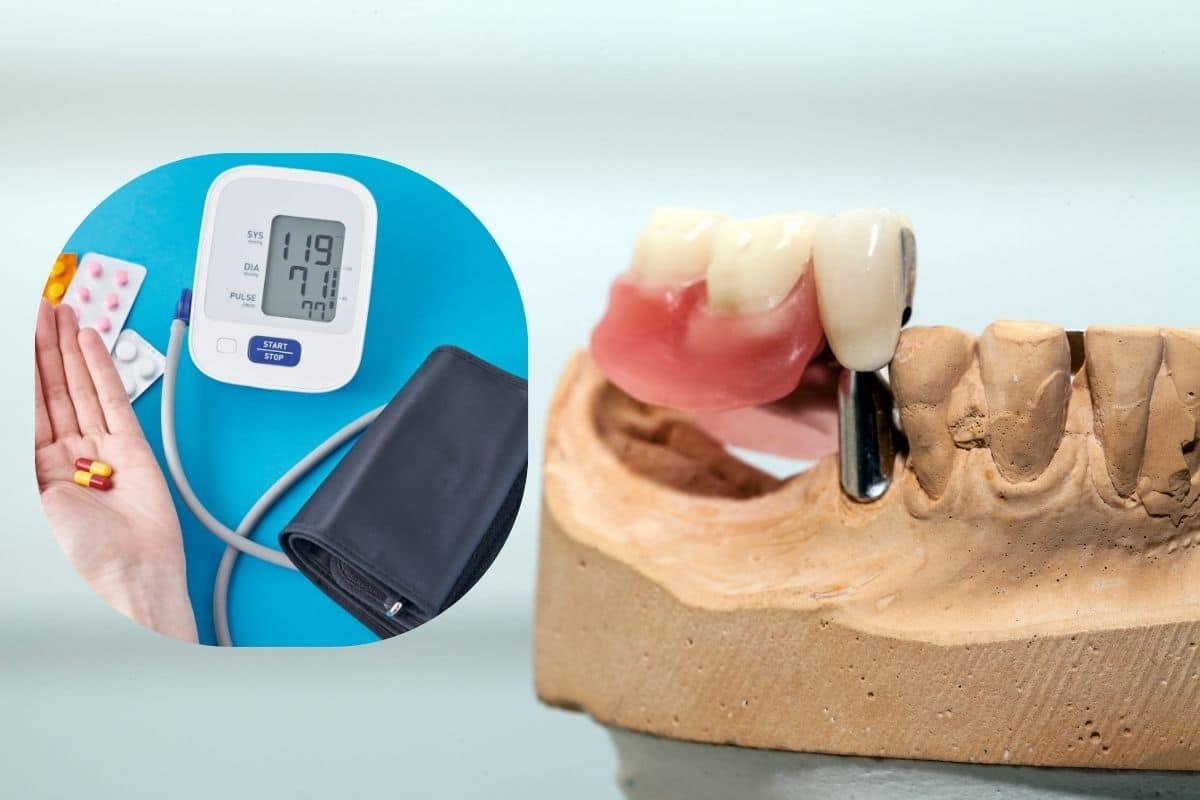
If you’ve been told you’re not a candidate for dental implants due to high blood pressure or diabetes, don’t worry—you’re not alone, and you’re not without options. At our trusted dental clinic in Fort Wayne, IN, we believe managing chronic health conditions shouldn’t compromise your quality of life—especially your smile.
Dental Implants with Diabetes or High Blood Pressure
Our experienced professionals in Fort Wayne, IN, understand the risks associated with hypertension or high blood sugar, and how to reduce them, making dental implants one of our best solutions for missing tooth replacement.
Can You Get Dental Implants If You Have High Blood Pressure?
In many cases—yes. But your blood pressure must be well-controlled to move forward safely. Elevated blood pressure can increase surgical risks, but that doesn’t automatically disqualify you from receiving dental implants.
Health Risks of Dental Surgery with Hypertension
Uncontrolled hypertension can cause excessive bleeding, delayed healing, or even cardiovascular stress during or after surgery. According to the American Heart Association, those with readings above 180/110 should delay non-emergency dental procedures.
Can high blood pressure cause dental implant failure?
High blood pressure doesn’t directly cause implant failure, but if not controlled, it can complicate surgery and healing. That’s why monitoring and managing your blood pressure before and after the procedure is critical.
How to Manage Blood Pressure Before and After a Dental Implant Procedure
If you’re managing high blood pressure, your dentist will likely:
- Take your vitals before every appointment.
- I recommend that you take the prescribed medication before the procedure.
- Avoid adrenaline-based anesthetics.
- Schedule shorter, low-stress appointments.
We may also adjust your surgical timing or use sedation dentistry to keep your heart rate steady and minimize anxiety.
The Importance of Medical Clearance from Your Physician
Your primary care provider or cardiologist plays a vital role. We often request medical clearance and ensure your medications are balanced. This teamwork allows us to create a plan that keeps your health and comfort at the forefront of your mind.
Safety Protocols Used at Family Dentistry & Aesthetics for Patients with Hypertension
At our clinic, we follow strict safety protocols:
- Real-time monitoring of blood pressure,
- Tailored sedation options,
- Emergency preparedness on-site.
Our experienced dentist in Fort Wayne designs specialized care plans, ensuring that your unique health condition and needs are always at the forefront of our care.
Are Dental Implants Safe for Patients with High Blood Sugar?
Yes—with proper planning. Diabetes doesn’t automatically rule out dental implants, but how your body heals matters greatly.
How Diabetes Affects Healing After Dental Implant Surgery
People with uncontrolled diabetes often experience slower healing and a higher risk of infection. That’s because high blood sugar can reduce blood flow and compromise your immune system—making it harder for the implant to integrate with your jawbone.
Will my blood sugar affect how long it takes to recover from dental implants?
High blood sugar can slow your healing process and increase the risk of infection. Keeping your levels stable before and after surgery supports faster, safer recovery.
The Difference in Implant Success Rates for Controlled vs. Uncontrolled Diabetes
Well-controlled diabetics have implant success rates similar to non-diabetics, according to a trusted source. However, those with poor blood sugar control face up to a two times higher failure rate, making pre-surgery planning essential.
Importance of Blood Sugar Management Before Surgery
We encourage patients to:
- Keep A1C levels below 7%.
- Take insulin or oral meds as prescribed.
- Eat balanced meals before and after surgery.
- Monitor blood glucose regularly.
Special Considerations Taken by Dentists
Our dental team adjusts technique, medication, and scheduling to help ensure safer, smoother healing. We work closely with your physician or endocrinologist to align our care with your needs.
What Conditions Require Extra Care?
We take the extra time to do things right when it comes to dental implant surgery for medically compromised patients.
Are Pre-Existing Issues Like High Blood Pressure and Diabetes a Barrier?
Not necessarily. As long as your condition is managed and you’re under a doctor’s care, implants can still be a viable solution.
Do I need to stop my blood pressure or diabetes medication before implant surgery?
In most cases, no. Continuing your prescribed medication is essential. Always speak to your dentist and physician before making any changes.
How Family Dentistry & Aesthetics Ensures Safe Dental Implant Treatment for All Patients
We follow a proven protocol:
- Thorough pre-surgery evaluations.
- Clear communication with your medical team.
- Use of minimally invasive technology.
- Follow-ups tailored to your condition.
Dental Implant Surgery for Medically Compromised Patients
Pre-Surgery Evaluations for Patients with Hypertension or Diabetes
We don’t rush. Before placing an implant, we assess:
- Blood pressure and pulse.
- Glucose control history.
- Medications and possible interactions.
- Any surgical risk factors.
Step-by-Step Safety Measures and Personalized Care Plans
From digital X-rays to 3D imaging, we take extra steps to ensure precision and safety. Your plan will be personalized based on your health, medications, and recovery needs.
Recovery Advice and Follow-Up Procedures to Reduce Complications
After your procedure, we’ll:
- Monitor healing through follow-up visits.
- Offer personalized hygiene tips.
- Recommend anti-inflammatory foods and habits.
- Coordinate with your doctor if any concerns arise.
Common Misconceptions About Dental Implants and Health Conditions
Does High Blood Pressure or Blood Sugar Always Mean You Can’t Get Dental Implants?
Not at all. The reality is, most patients with these conditions can still undergo implant surgery when guided by skilled professionals.
Clarifying Risks vs. Realities
While risks exist, they are manageable. Our approach is to educate you, not scare you. With strong planning, your health doesn’t have to be a barrier to receiving dental implants.
Professional Advice from Our Fort Wayne’s Trusted Dental Team
We’ve helped countless patients with health concerns safely receive implants. Our trusted dentist near 46804 has the experience and training to guide you safely from consultation to recovery.
Tips to Improve Dental Implant Success with Hypertension/Diabetes
Lifestyle and Medication Factors That Help with Surgery and Healing
Small changes can make a big difference:
- Stick to your medication routine.
- Avoid smoking and alcohol.
- Eat foods that stabilize blood sugar.
- Get enough rest before and after surgery.
How can I ensure my dental implants heal properly?
Keep your health conditions under control, follow your post-op care plan, avoid smoking, and maintain excellent oral hygiene to support healing.
Tips for Optimal Oral Hygiene and Post-Surgery Care
Keep your mouth clean using:
- Antibacterial mouth rinses
- Soft-bristled toothbrushes
- Regular flossing (with care around surgical sites)
Helpful Checklists for Patients to Prepare for Dental Implant Surgery
✅ Bring a list of medications to your consultation.
✅ Eat a balanced meal before surgery (unless fasting is advised).
✅ Take your prescribed blood pressure or diabetes meds.
✅ Arrange a ride home if you’re sedated.
✅ Stay in touch post-op—we’re here if you need us.
How Family Dentistry & Aesthetics Keeps Dental Implants Safe for At-Risk Patients
Specialized Protocols for Monitoring Blood Pressure and Sugar
Every step—consultation to follow-up—involves real-time monitoring and data-driven planning to reduce risks.
Collaboration with Your Healthcare Team
We believe in a team approach. Your doctor knows your body; we know your smile. Working together ensures the best results possible.
Testimonials from Real Fort Wayne Patients with Successful Outcomes
Many of our patients with chronic health concerns have had successful implant outcomes. Their trust and results speak volumes. If you’re still unsure, we’d be happy to share their stories—or better yet, help you write your own.
Your health matters. So does your smile. If you’ve been told implants aren’t for you, let’s talk. Our experienced Fort Wayne dentists will review your health and help you decide what’s safe, possible, and best for your unique needs.