4626 West Jefferson Blvd. Fort Wayne, Indiana 46804


Smoking Can Put Your Dental Implants at Risk
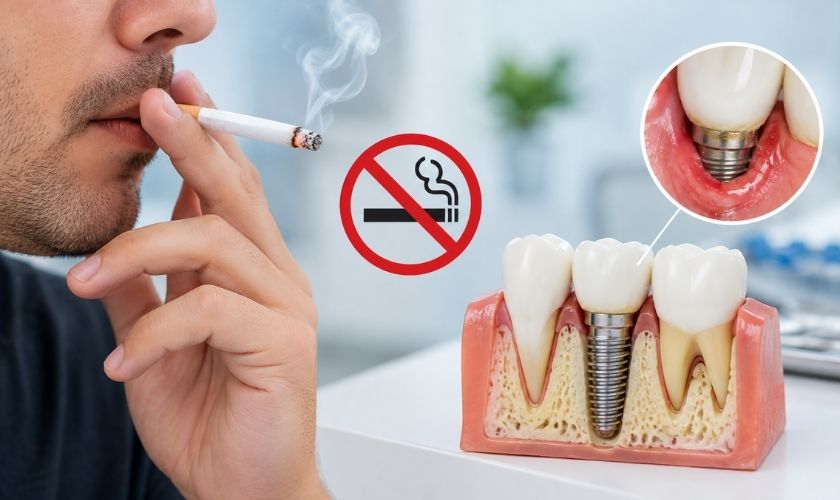
Dental implants can provide a stable and natural-looking way to replace missing teeth. However, successful implant treatment depends on healthy gums, sufficient bone support, and proper healing after placement. Smoking can interfere with these processes and may increase the risk of complications.
For patients in Fort Wayne who smoke and are considering dental implants, understanding the potential effects of tobacco use can help them make informed decisions about their oral health and treatment.
How Smoking Affects Dental Implant Healing
After an implant is placed, the jawbone needs to heal around the implant. This process, known as osseointegration, helps create a strong connection between the implant and the surrounding bone. Proper circulation and healthy tissues are important during this stage.
Smoking can affect blood flow and reduce the amount of oxygen available to healing tissues. Tobacco chemicals may also interfere with the body’s normal healing response. As a result, smokers may experience a more challenging recovery following implant surgery.
The impact of smoking can vary from person to person, but tobacco use is an important factor to discuss with a dental professional before beginning implant treatment.
Smoking May Increase the Risk of Implant Problems
One concern associated with smoking is an increased risk of implant complications. If the implant does not integrate properly with the surrounding bone, it may become unstable or fail to provide the expected support.
Smoking can also contribute to inflammation and gum problems. The tissues surrounding an implant need to remain healthy because gum and bone deterioration can affect implant stability over time.
Patients should tell their dental provider about their tobacco use during the initial consultation. An implant dentist in Fort Wayne can evaluate the condition of the gums and jawbone while discussing factors that may influence the treatment and healing process.
The Connection Between Smoking and Bone Health
Healthy bone is essential for supporting a dental implant. When a tooth is lost, the surrounding jawbone can gradually lose volume. Implant placement helps provide stimulation to the bone, but successful integration still requires healthy healing conditions.
Tobacco use may negatively affect bone healing and remodeling. This can be especially relevant for patients who require a bone graft before implant placement. Smoking may make it more difficult for grafted tissue and the surrounding bone to heal properly.
Because every patient’s oral health is different, a dental professional can determine whether additional treatment or precautions may be necessary before an implant procedure.
Smoking Can Affect Long-Term Implant Care
The risks associated with smoking do not necessarily end once an implant has healed. Continued tobacco use can contribute to gum inflammation and other oral health concerns that may affect the tissues supporting the implant.
Good oral hygiene is therefore essential for anyone with dental implants. Brushing twice daily, cleaning between teeth and around the implant, attending regular dental examinations, and following professional cleaning recommendations can help maintain healthy surrounding tissues.
Patients who smoke should also consider discussing tobacco cessation with their healthcare or dental provider. Stopping smoking can support oral health and may reduce factors that can interfere with healing and tissue health.
Signs That Should Not Be Ignored
If you have dental implants and smoke, pay attention to changes around the implant area. Persistent swelling, bleeding, discomfort, bad taste, gum recession, or changes in how the implant feels can indicate a problem that needs professional attention.
These symptoms do not automatically mean that an implant has failed. However, an examination can help identify the cause and determine whether treatment is needed.
Patients in Fort Wayne who are preparing for implant treatment should also discuss their smoking history before surgery. Being open about tobacco use allows the dental team to provide appropriate recommendations for healing and aftercare.
Protecting Your Dental Implants
Quitting smoking or avoiding tobacco can be an important part of protecting your oral health and supporting dental implant care. Even when stopping completely feels difficult, discussing available cessation resources with a healthcare professional can be a useful starting point.
Maintaining good oral hygiene and keeping scheduled dental appointments are equally important. Regular monitoring allows your dental team to check the condition of the implant, gums, and supporting bone.
Family Dentistry & Aesthetics can help Fort Wayne patients understand the factors that may affect dental implant treatment and ongoing oral health. If you have concerns about smoking and your implants, contact us to discuss your individual needs with a dental professional.
Maintain a Healthy Foundation for Your Smile
Dental implants require healthy supporting tissues and consistent care. Smoking can interfere with healing, affect gum health, and create additional challenges for patients undergoing or maintaining implant treatment.
By avoiding tobacco, following post-treatment instructions, practicing good oral hygiene, and attending regular dental visits, patients can take meaningful steps toward maintaining their implants. If you are considering dental implants or already have them, visit our dental clinic to learn more about caring for your smile and supporting your long-term oral health.