4626 West Jefferson Blvd. Fort Wayne, Indiana 46804


Warning Signs Your Body May Be Rejecting A Dental Implant

Dental implants are a long-lasting solution for missing teeth, but the body may reject them in rare cases. Recognizing the warning signs early is crucial and empowering. It can help you prevent complications and improve the chances of saving the implant. If you’ve recently had an implant placed, staying informed about potential rejection symptoms is a proactive step in your dental health journey.
Understanding Implant Rejection
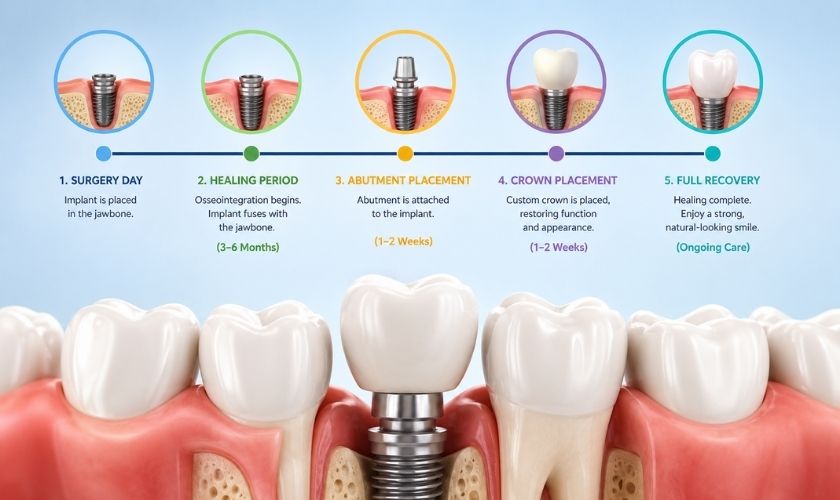
A successful dental implant bonds with the jawbone in a process called osseointegration. This typically takes several months. However, rejection may occur if the implant fails to integrate correctly or the body reacts negatively. This can lead to discomfort, infection, or even implant failure.
Timeline of Dental Implant Rejection: What to Expect During Healing and Beyond
Healing varies from person to person, but most implants integrate successfully within 3 to 6 months. Early-stage rejection may occur within weeks due to infection or poor healing. Late-stage rejection, though less common, can happen months or even years later due to factors like gum disease, bone loss, or excessive force on the implant.
Common Signs of Dental Implant Rejection
Persistent Pain and Discomfort
Mild soreness is normal after implant surgery, but persistent or worsening pain could indicate a problem. If over-the-counter pain relievers don’t help or the pain intensifies over time, it may be a sign of rejection or infection.
Gum Inflammation and Swelling
Some swelling is expected after surgery, but it should gradually subside. If your gums remain red, swollen, or tender for weeks, this could suggest peri-implantitis, which affects the tissues around the implant and may lead to failure.
Loose or Shifting Implant
A well-integrated dental implant should feel as secure as a natural tooth. If yours feels loose or moves slightly when eating or speaking, it might not bond properly with the bone. This is a serious concern and requires immediate evaluation by a dental professional.
Receding Gums Around the Implant
Gums pulling away from the implant can expose the metal post and increase the risk of infection. Receding gums may result from excessive pressure, poor oral hygiene, or the body rejecting the implant.
Pus or Unpleasant Taste in the Mouth
An infection at the implant site can produce pus, a persistent bad taste, or an unpleasant odor. These symptoms should never be ignored, as untreated infections can spread and compromise surrounding teeth and bone.
Difficulty Chewing or Biting
If biting or chewing becomes painful, the implant might not be positioned correctly or fail to integrate with the bone. This discomfort can indicate early rejection and should be assessed immediately.
Common Causes Beyond Allergic Reaction
While some people worry about allergic reactions to titanium implants, rejection is more commonly caused by infection, poor bone quality, improper placement, or excessive stress on the implant.
Factors That Can Increase the Chances of Dental Implant Problems
Several factors can raise the risk of implant rejection:
- Poor Oral Hygiene: Inadequate brushing and flossing can lead to infection and implant failure.
- Smoking and Tobacco Use: Nicotine restricts blood flow, slowing healing and increasing failure rates.
- Autoimmune Disorders: Conditions like rheumatoid arthritis or diabetes can affect healing and bone integration.
- Insufficient Bone Density: A weak or inadequate jawbone may not support the implant effectively.
- Bruxism (Teeth Grinding): Excessive pressure from grinding can cause implant instability.
The Role of Bone Density in Dental Implant Success
A strong jawline is essential for implant stability. A bone graft may be required before implant placement if your bone density is insufficient. Without proper support, the implant is more likely to fail.
Why This Smoking Can Lead to Failure the Dental Implants
Smoking restricts blood flow and affects the healing process, increasing the risk of infection and implant failure. Quitting smoking before and after surgery significantly improves success rates.
How to Prevent Dental Implant Failure and Ensure Longevity to Protect Your Investment
To extend the life of your dental implant:
- Maintain excellent oral hygiene with regular brushing and flossing.
- Visit your dentist for routine checkups and cleanings.
- Avoid smoking and excessive alcohol consumption.
- Follow all post-surgery care instructions provided by your dentist.
- Consider using a nightguard if you grind your teeth at night.
Choosing the Right Provider Matters: How an Experienced Dentist Can Minimize Implant Risks
The role of a skilled and experienced dentist in your implant journey cannot be overstated. Their expertise can significantly improve the success rate of your implant, providing you with reassurance and confidence. They ensure long-term success from proper planning to precise placement and post-surgery care. Therefore, always choose a reputable provider with proven expertise.
Can a Failing Dental Implant Be Saved? Treatment Options and Next Steps
Sometimes, a failing implant can be salvaged through deep cleaning, bone grafting, or gum treatments. If the implant must be removed, a new one can often be placed after proper healing.
Essential Tips for a Successful Recovery of Dental Implant Aftercare
- Follow your dentist’s instructions closely for cleaning and care.
- Stick to soft foods for the first few weeks to avoid pressure on the implant.
- Avoid smoking and excessive caffeine intake to promote healing.
- Take prescribed antibiotics or pain relievers as directed.
- Schedule follow-up visits to monitor progress.
Understanding Potential Expenses and Prevention Strategies
Dental implants are an investment, and preventing failure can save you money in the long run. Proper oral hygiene, regular dental visits, and choosing a qualified dentist can help avoid costly complications.
Can your body reject a dental implant years later?
Yes, though rare, late-stage rejection can happen due to bone loss, infection, or excessive pressure on the implant.
How do I know if my implant is failing?
Signs include persistent pain, swelling, receding gums, pus formation, or implant mobility.
What should I do if my implant feels loose?
Contact your dentist immediately. Loose implants need evaluation to determine if they can be stabilized or require replacement.
Can I get another implant if mine fails?
Yes, a new implant can often be placed after proper healing and addressing underlying issues.
How can I improve my implant success rate?
Maintain oral hygiene, quit smoking, attend regular checkups, and choose an experienced dental provider.
Trust an Experienced Team for Your Dental Implant Needs
Family Dentistry & Aesthetics specializes in high-quality dental implants Fort Wayne residents can rely on. Our team, led by experienced professionals, ensures that every patient receives the best care, from consultation to post-surgery follow-ups. If you’re experiencing discomfort or suspect implant rejection, don’t wait—schedule an appointment today. Let our Fort Wayne Dentist help restore your smile and oral health with expert care.