4626 West Jefferson Blvd. Fort Wayne, Indiana 46804


9 Ways To Avoid Dental Emergencies
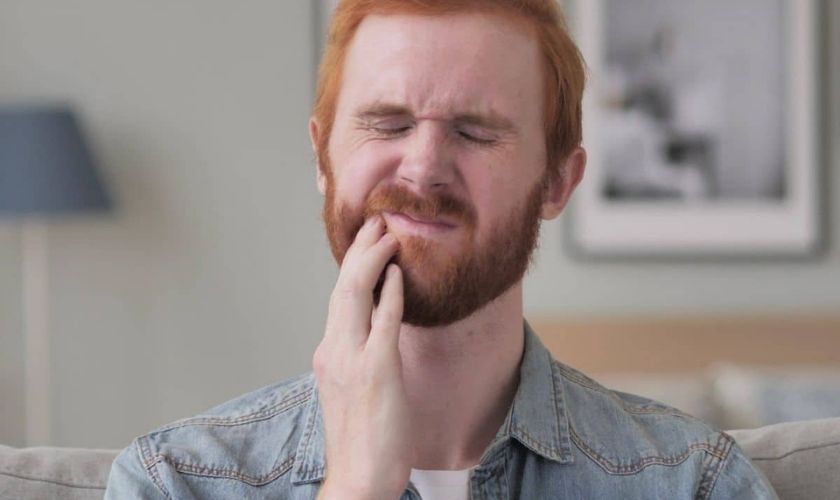
Dental emergencies can happen when you least expect them, causing pain, stress, and expensive treatments. While some accidents are unavoidable, many dental problems can be prevented with the right habits and routine care. Taking simple precautions every day can protect your teeth, gums, and overall oral health. If you want to avoid sudden toothaches, broken teeth, or infections, prevention is the key.
At Family Dentistry & Aesthetics, we encourage patients in Fort Wayne, IN, to take proactive steps toward better oral health. Here are nine effective ways to reduce your risk of dental emergencies and keep your smile healthy.
1. Brush and Floss Every Day
Good oral hygiene is one of the best ways to prevent dental emergencies. Brushing twice daily removes plaque and bacteria that can lead to cavities and gum disease. Flossing helps clean areas between teeth where a toothbrush cannot reach.
Neglecting oral hygiene can result in severe decay, infections, and painful gum problems that may require urgent dental care. Using fluoride toothpaste and replacing your toothbrush every few months can also improve your dental health.
2. Visit Your Dentist Regularly
Routine dental checkups help detect problems before they become emergencies. Small cavities, cracked teeth, or early gum disease can often be treated quickly and easily during preventive visits.
Professional cleanings also remove hardened plaque buildup that cannot be removed at home. Scheduling regular exams at a trusted Dental Practice in Fort Wayne can help protect your teeth and prevent unexpected dental pain.
3. Wear a Mouthguard During Sports
Sports-related injuries are a common cause of dental emergencies. Contact sports such as football, basketball, and hockey can lead to chipped, broken, or knocked-out teeth.
A properly fitted mouthguard cushions your teeth and reduces the risk of injury. Even recreational sports activities can benefit from mouth protection. Athletes of all ages should make mouthguards part of their safety equipment.
4. Avoid Using Teeth as Tools
Many people use their teeth to open packages, bite fingernails, or hold objects. These habits can crack or weaken teeth over time.
Teeth are designed for chewing food, not opening bottles or tearing plastic. Using your teeth improperly may lead to fractures, chips, or severe damage that requires immediate treatment. Simple tools like scissors or bottle openers are much safer alternatives.
5. Limit Sugary and Acidic Foods
Sugary snacks and acidic drinks can wear down tooth enamel and increase the risk of cavities. Frequent consumption of soda, candy, sports drinks, and sticky foods can weaken teeth and contribute to infections.
Try to drink more water and eat tooth-friendly foods such as vegetables, dairy products, and crunchy fruits. Reducing sugar intake can help prevent painful dental emergencies and maintain a healthier smile.
6. Don’t Ignore Tooth Pain
Tooth pain is often a warning sign that something is wrong. Minor discomfort can quickly turn into a serious infection or abscess if left untreated.
Sensitivity, swelling, bleeding gums, or persistent pain should never be ignored. Seeking dental care early can prevent complications and reduce the need for emergency treatment later. Paying attention to symptoms can save both your teeth and your comfort.
7. Protect Teeth From Grinding
Teeth grinding, also known as bruxism, can place excessive pressure on teeth and jaw joints. Over time, grinding may cause cracks, worn enamel, headaches, and jaw pain.
Many people grind their teeth while sleeping without realizing it. Wearing a nightguard can protect your teeth from damage and reduce strain on your jaw. If you experience morning jaw soreness or tooth sensitivity, it may be worth discussing with your dentist.
8. Stay Hydrated
Drinking enough water is important for your oral health. Saliva helps wash away food particles and bacteria while protecting tooth enamel.
A dry mouth can increase the risk of decay and infections. Staying hydrated throughout the day supports natural saliva production and keeps your mouth cleaner. Water is also a healthier option compared to sugary beverages that may harm your teeth.
9. Address Dental Problems Early
Small dental issues rarely improve on their own. A tiny cavity or minor crack can become a major emergency if ignored for too long.
Prompt treatment can prevent more serious complications and expensive procedures. If you notice loose fillings, damaged teeth, or gum irritation, it is best to schedule a dental visit as soon as possible. Family Dentistry & Aesthetics proudly helps patients in Fort Wayne, IN, maintain healthy smiles through preventive care and timely treatment.
Why Prevention Matters
Preventing dental emergencies is often easier and less costly than treating them. Healthy daily habits, regular checkups, and protective measures can significantly reduce your risk of severe dental problems.
Emergency dental situations can interfere with eating, speaking, sleeping, and daily life. By taking preventive steps now, you can enjoy stronger teeth, healthier gums, and greater peace of mind.
If you ever experience sudden dental pain, swelling, or a broken tooth, seeking professional care quickly is important. You can also check our patient reviews to learn how quality dental care has helped many families maintain healthier smiles.
For preventive care or urgent treatment needs, contact Family Dentistry & Aesthetics at (260) 432-0561 to book an appointment and protect your smile for years to come.
Frequently Asked Questions
1. What is considered a dental emergency?
A dental emergency includes severe tooth pain, broken teeth, knocked-out teeth, swelling, bleeding gums, or infections that require immediate treatment to prevent further complications.
2. Can regular dental visits prevent emergencies?
Routine dental exams help detect cavities, infections, and gum disease early, reducing the chances of sudden pain or serious dental problems later.
3. How can I protect my teeth during sports?
Wearing a mouthguard during sports activities helps reduce the risk of chipped, cracked, or knocked-out teeth caused by accidents or impacts.
4. Why should tooth pain never be ignored?
Persistent tooth pain may indicate decay, infection, or nerve damage. Early treatment can prevent worsening symptoms and emergency dental procedures.
5. Does teeth grinding cause dental emergencies?
Teeth grinding can weaken enamel, crack teeth, and create jaw pain over time, increasing the risk of damage that may require urgent dental care.
6. Are sugary drinks harmful to teeth?
Sugary and acidic drinks can erode enamel and cause cavities, making teeth more vulnerable to decay, sensitivity, and unexpected dental issues.
7. What should I do if a tooth gets chipped?
Rinse your mouth with warm water, avoid chewing on the damaged side, and contact a dentist promptly to prevent further tooth damage or discomfort.