4626 West Jefferson Blvd. Fort Wayne, Indiana 46804


Teeth Whitening for Sensitive Teeth: What Are Your Safest Options?

A bright smile can dramatically improve your appearance and boost your confidence. But what if you have sensitive teeth? The good news is that you don’t have to compromise on achieving a sparkling white smile just because you suffer from tooth sensitivity. Whether you’re looking to whiten sensitive teeth at home or through a dental professional, there are effective, safe, and comfortable solutions to suit your needs. In this blog, we’ll walk you through the best methods for whitening your teeth while keeping your sensitivity in mind, ensuring you can enjoy both a radiant smile and a pain-free experience.
Understanding Sensitive Teeth And Whitening Treatments
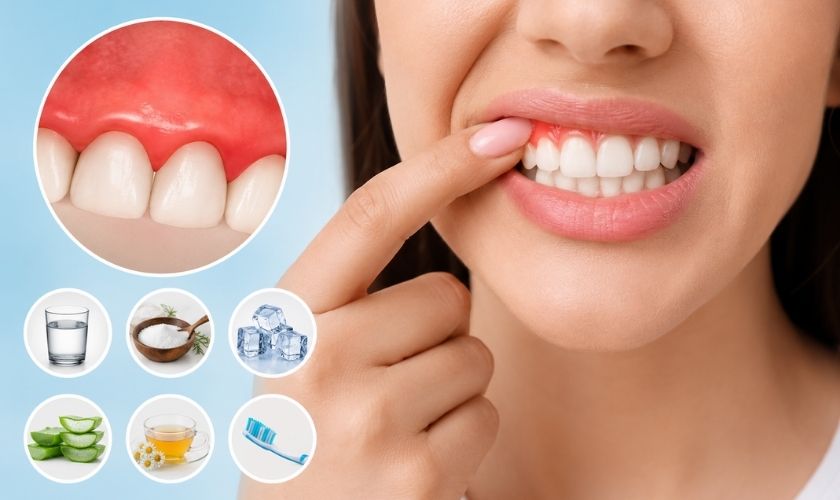
Tooth sensitivity occurs when the enamel (the outer protective layer of your teeth) wears down, or when gums recede, exposing the softer, sensitive inner layer of your teeth.
This makes your teeth more vulnerable to pain or discomfort, especially when exposed to cold, hot, or sweet substances. Whitening treatments often contain peroxide, which can irritate sensitive teeth.
However, there are solutions specifically formulated to help you whiten sensitive teeth without causing discomfort. It’s crucial to choose a whitening treatment that works for your unique dental needs.
The Best Teeth Whitening Options For Sensitive Teeth
When it comes to brightening sensitive teeth, there are several options to explore. Here’s a breakdown of the most effective and safe methods:
1. Whitening Strips: A Convenient At-Home Option
For many people, sensitive teeth whitening strips are a go-to solution. These strips are formulated with lower peroxide levels, reducing the risk of discomfort while still delivering noticeable results.
They’re easy to use and can be worn for a set amount of time each day.
The best part about these strips is that they’re accessible and affordable. However, while they can gradually lighten your teeth, they may not deliver results as quickly or as dramatically as professional treatments.
Are There Alternatives To Traditional Whitening Methods?
If you’re looking for alternatives to at-home brightening treatments, consider activated charcoal or baking soda toothpaste. These are both gentler on sensitive teeth and for oral health. While these alternatives may not provide the dramatic results of traditional treatments, they can help maintain your whitened smile and are less likely to cause irritation. Always consult with your dentist to ensure these methods are suitable for your needs.
2. Smile Brightening At A Dental Office
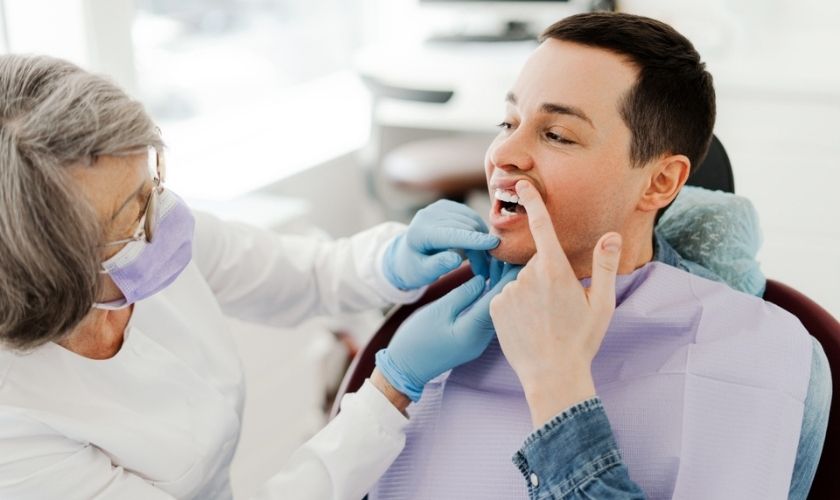
If you’re looking for quicker, more dramatic results, a teeth whitening treatment at a dental office in Fort Wayne may be the best choice. These treatments are customized for your needs and can be adjusted to ensure your comfort, especially if you have sensitive teeth.
Professional treatments use higher-quality whitening agents than over-the-counter products, offering faster results. Additionally, dentists can apply protective gels or coatings to minimize discomfort and protect sensitive teeth during the whitening process.
Many people with sensitive teeth find a professional approach more effective and comfortable than at-home options. It is because they are personalized and carefully managed by a dentist.
How Long Does It Take To Whiten Sensitive Teeth?
The time depends on the treatment method you choose. Over-the-counter bleaching strips may take longer to show noticeable results, often requiring two to three weeks of consistent use. However, professional procedures can offer more immediate results, with many patients seeing a significant difference after just one session. Always discuss your goals with your dentist to choose the right treatment for your timeline.
What To Consider Before Choosing A Brightening Treatment For Sensitive Teeth?
When deciding on a whitening option, consider the following factors:
- Severity of Sensitivity: If you experience severe tooth sensitivity, professional whitening treatments may be a better option, as they can be customized to address your specific needs.
- Duration of Treatment: Some at-home methods, such as sensitive-teeth whitening strips, may take longer to show results than professional treatments.
- Post-Treatment Sensitivity: After bleaching, some people experience heightened sensitivity. To avoid this, ask your dentist about desensitizing options or post-treatment care.
How To Maintain Your Bright Smile Safely?
Once you’ve achieved the white smile you’ve always wanted, it’s essential to maintain it without aggravating your sensitivity. Here are some simple tips to keep your teeth looking bright:
- Avoid Staining Foods and Drinks: Coffee, tea, red wine, and dark-colored berries can stain your teeth. Limit these foods to help preserve your bright smile.
- Brush with a Toothpaste for Sensitive Teeth: To maintain comfort, use a toothpaste formulated for sensitive teeth to help protect enamel and reduce discomfort.
- Maintain Regular Oral Hygiene: Continue brushing and flossing regularly to keep plaque buildup at bay. This not only helps maintain your white smile but also supports your overall oral health.
Why See A Dentist For Whitening If You Have Sensitive Teeth?
Visiting a dental office in Fort Wayne for a clinical whitening treatment offers several benefits, especially if you have sensitive teeth:
- Customization: Dentists can tailor the treatment to minimize sensitivity while maximizing results.
- Advanced Technology: Professional treatments use advanced whitening systems that are more effective than over-the-counter options, giving you a brighter smile in less time.
- Pain-Free Solutions: Your dentist will ensure that the whitening process is as comfortable as possible by using protective barriers and offering desensitizing options if necessary.
Brighten Your Teeth With Professional Guidance
Achieving a bright, beautiful smile doesn’t have to come at the cost of discomfort, even with sensitive teeth. Whether you choose brightening strips or opt for clinical methods, we can help you with both. By choosing the right whitening method and following post-treatment care, you can enjoy a sparkling white smile without any pain or discomfort. Schedule a consultation at your Family Dentistry & Aesthetics today. Let us help you achieve your dream smile!
FAQs
1. Can whitening sensitive teeth cause permanent damage?
Whitening treatments for sensitive teeth, when done correctly, don’t cause permanent damage. However, overuse or improper application can lead to enamel erosion and increased sensitivity, so moderation is key.
2. How long after teeth whitening can you eat or drink?
After a whitening treatment, it’s recommended to wait at least 30 minutes before eating or drinking. This gives your teeth time to settle and avoid staining from foods or drinks.
3. Are there any side effects of whitening sensitive teeth?
Common side effects of whitening sensitive teeth include temporary gum irritation or tooth sensitivity. These effects usually subside within a few hours to a day after treatment, but consult your dentist if discomfort persists.
4. How can I prevent my teeth from becoming sensitive after whitening?
To prevent sensitivity, use desensitizing toothpaste before and after whitening treatments. Additionally, avoid hot, cold, or acidic foods and drinks immediately after the treatment to minimize irritation.
5. Can whitening treatments work on crowns or veneers?
Whitening treatments are not effective on crowns or veneers, as they don’t respond to bleaching agents. However, your dentist can discuss alternative options for enhancing the appearance of your restorations.