4626 West Jefferson Blvd. Fort Wayne, Indiana 46804


Safest Pain Relief for Toothaches in Heart & Blood Pressure Patients
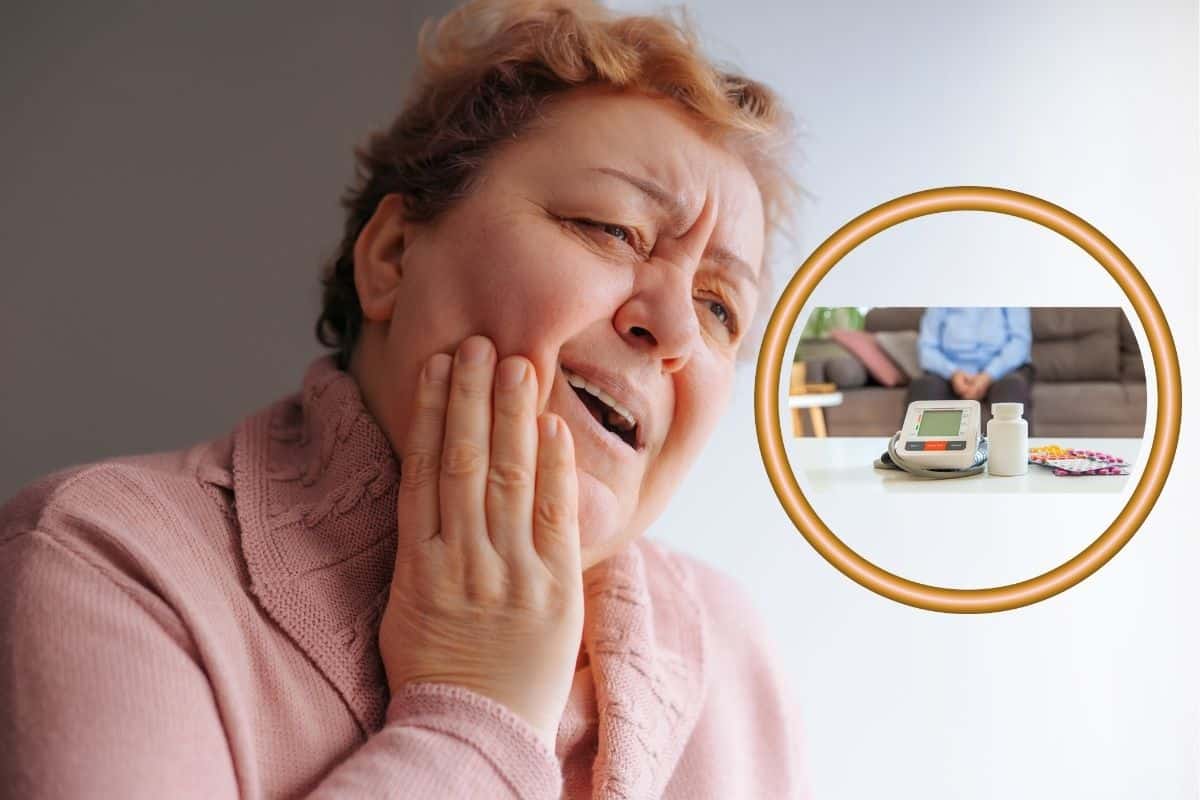
A toothache can make even the most straightforward daily task feel overwhelming. Grabbing an over-the-counter pain reliever may be an easy fix for most people. But if you live with heart disease or high blood pressure, you need to be extra careful. Not all pain medications are safe; the wrong choice could affect your heart health. Knowing what works and what doesn’t is key to staying safe while getting the relief you need.
At Family Dentistry & Aesthetics, we understand how important it is to balance dental comfort with overall health. Our care is tailored to patients with medical conditions like hypertension and heart problems. If you’re looking for a trusted dentist, we’re here to help guide you every step, ensuring your safety and well-being, which are always our top priorities.
Why Medication Choices Matter with Heart & BP Conditions
Heart and blood pressure medications often interact with pain relievers. For example, the American Heart Association has highlighted that certain anti-inflammatory drugs may raise blood pressure or interfere with prescription treatments. That’s why picking the wrong medication could worsen your condition. Being cautious and knowing which medicines are generally safe will protect your teeth and heart.
What Dental Treatments Are Best for Patients with Cardiovascular Health Concerns
Dentists often choose treatments that minimize stress and avoid complications for patients with heart conditions. Safe options usually include cleanings, fillings, and crowns. More advanced procedures, such as root canals or implants, may require medical clearance, but they can still be performed with the proper precautions. Blood pressure monitoring, stress-reducing sedation, and antibiotic coverage (when recommended by your cardiologist) help lower risks.
Can I still get dental treatment if I have a heart condition?
Yes, most dental treatments can be done safely with proper planning. Your dentist will review your health history and may consult your cardiologist before specific procedures.
Can Heart Disease Patients Take Ibuprofen for Toothache Pain?
This is one of the most common questions patients ask. While ibuprofen helps with swelling and pain, it isn’t always safe for people with heart disease. NSAIDs like ibuprofen may raise blood pressure and increase the risk of heart problems if taken long-term. If you have cardiovascular concerns, avoid ibuprofen unless your doctor approves it.
What’s the safest painkiller for heart patients with a toothache?
Acetaminophen (Tylenol) is usually the safest choice because it doesn’t raise blood pressure or thin the blood.
Can I Take Aspirin for a Toothache if I Have High Blood Pressure or Heart Disease?
Aspirin is sometimes prescribed as a blood thinner for heart health, but additional aspirin for dental pain isn’t recommended. It may increase bleeding risk and interact with other medications. It’s better to use acetaminophen for pain relief unless directed otherwise by your physician.
Are NSAIDs Safe for Patients with High Blood Pressure Experiencing Dental Pain?
NSAIDs such as naproxen, ibuprofen, or high-dose aspirin are not usually considered safe for hypertensive patients. They can elevate blood pressure and strain the heart. Acetaminophen is a safer alternative, but always confirm with your doctor or dentist before taking any pain reliever.
Can blood pressure pills and ibuprofen be taken together?
In many cases, no. Ibuprofen can interfere with the effectiveness of some blood pressure medications, making it riskier for hypertensive patients.
Does High Blood Pressure Cause Sensitivity or a Toothache?
High blood pressure doesn’t directly cause tooth pain but can make your body more sensitive to stress, which may intensify pain perception. Some antihypertensive medications can also cause dry mouth, increasing the risk of tooth decay and sensitivity.
Safe Over-the-Counter Options
For most heart and BP patients, acetaminophen remains the go-to choice. It works well for mild to moderate pain without affecting blood pressure. Always check dosage limits and avoid combining multiple medications without professional advice.
What Home Remedies Are Safe for Tooth Pain if I Have Heart or Blood Pressure Issues?
You can try gentle home care measures that don’t interfere with your health:
- Warm saltwater rinses to soothe irritation.
- Cold compresses on the cheek to reduce swelling.
- Sleeping with your head elevated to ease throbbing.
- Maintaining careful brushing and flossing around the sore tooth.
Are clove oil or herbal remedies safe if I have heart problems?
Clove oil may provide temporary relief, but always use it sparingly. Natural remedies can sometimes interfere with medications, so discuss them with your doctor first.
How Does Dental Infection Impact Blood Pressure and Heart Conditions?
Dental infections can worsen systemic inflammation, which may elevate blood pressure. In some cases, untreated infections allow bacteria to enter the bloodstream, posing risks for patients with existing heart disease. That’s why prompt dental infection treatment is crucial for oral and overall health.
Emergency Dental Care Recommendations for Heart and High Blood Pressure Patients Experiencing a Toothache
If you have severe swelling, fever, or unrelenting pain, seek dental care immediately. When calling for an emergency visit, inform the dental office about your heart condition or blood pressure history—Family Dentistry & Aesthetics tailors emergency treatment with close attention to your cardiovascular health. Patients looking for a Dentist Near 46804 can access same-day appointments designed for urgent needs.
Should I go to the ER or dentist for a toothache if I have heart disease?
If your pain is accompanied by fever, swelling, or chest discomfort, go to the ER first. Otherwise, an emergency dentist visit is the best choice for resolving tooth pain.
What Do Dentists Recommend for Tooth Pain Relief for Cardiac Patients?
Dentists recommend acetaminophen for pain relief and short-term home remedies until treatment can be provided. The most important step is to schedule an appointment quickly to address the cause of pain. Preventive dental care and open communication about your health help reduce future risks.
Putting Your Health First
Managing dental pain with heart or blood pressure concerns doesn’t have to feel overwhelming. The safest step is to talk with both your dentist and your physician before taking new medications. This proactive approach empowers you and puts you in control of your health. At Family Dentistry & Aesthetics, we always consider your overall health before recommending care. Your smile and your heart both matter to us.