4626 West Jefferson Blvd. Fort Wayne, Indiana 46804


Boo! The Scary Side of Mixing Painkillers, Alcohol, & Halloween Treats

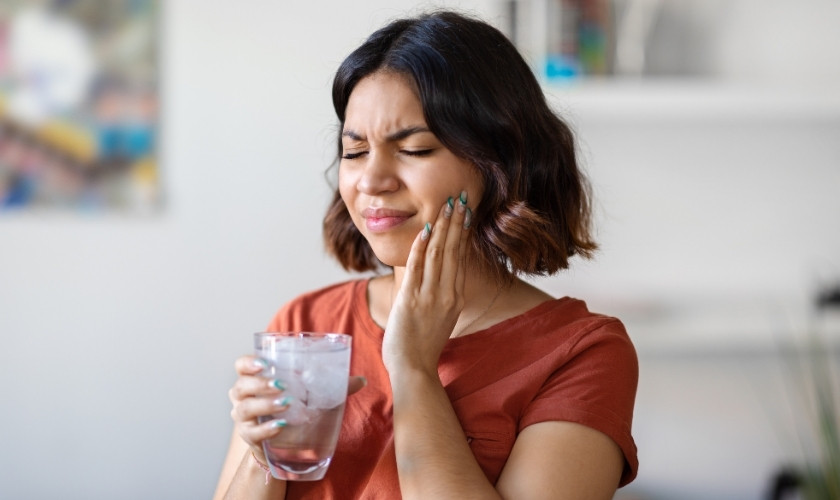
Let’s be real—Halloween parties are entertaining. Costumes, friends, a couple of drinks—it’s all part of the evening. But if you’ve had a toothache and taken a painkiller beforehand, it’s worth stopping before you order that cocktail.
Is one drink that bad if I took pain pills beforehand?
Yes, it is. Even one will get you into trouble when combined with painkillers. From national health reports, thousands of individuals are taken to ERs yearly because alcohol and drugs don’t get along.
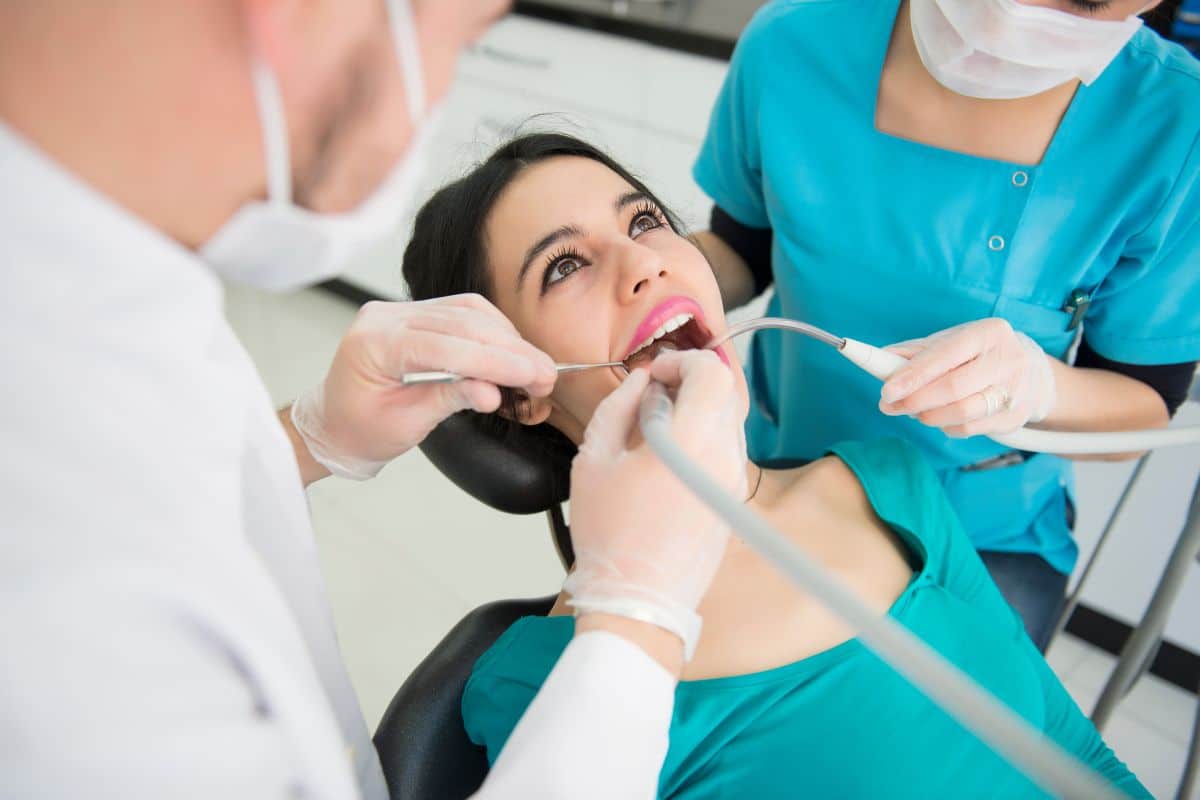
Your system is already doing some extra work trying to control pain and inflammation, so introducing alcohol makes it work overtime. Rather than going for that drink, addressing the cause with proper dental care treatment in Fort Wayne may be more intelligent.
How Alcohol and Toothache Painkillers Don’t Mix Well
Various medications, various risks – but they share one thing in common: they don’t mix well with alcohol.
- Acetaminophen (Tylenol): Tough on your liver, particularly with booze.
- Ibuprofen or Aspirin: May irritate your stomach and lead to ulcers when combined with liquor.
- Prescription opioids: Not a good mix. It reduces your breathing and heart rate – really dangerous.
What is going to happen if I have a drink after taking pain medication for my toothache?
If you do, your stomach and liver suffer. Alcohol increases the potency of pain medication, leading to dizziness, nausea, or even bleeding inside the body. You may not notice it immediately, but your body’s coping with damage behind the scenes.
How Alcohol Slows Healing After Dental Procedures
If you’ve had dental work recently – say an extraction, root canal, or implant placement – alcohol can delay healing. It thins your blood, so your mouth may take longer to clot and recover. It also dries your mouth out, creating the perfect environment for growing bacteria.
If you want to heal more quickly and resume eating (and smiling) normally, skipping the drink for a couple of days does matter.
How soon after taking pain medication or dental work can I have a drink?
Typically, it takes a minimum of 24 hours. But if you are taking prescription drugs or antibiotics, consult your dentist first. Healing rates differ based on your treatment and your body.
Why You Should Stay Away from Alcohol After Taking Dental Pain Medicine
Here’s the plain fact: your liver has a limit. If you throw in alcohol on top of painkillers, your system can’t handle it. You may be drowsy, queasy, or just “out of it.” But down deep, your liver’s working overtime to do double duty.
And if you’re recovering from dental trauma or surgery, your system needs to be concentrated on healing – not cleansing alcohol.
Safe Painkiller Options Before Enjoying Holiday Treats
If your toothache occurs on the eve of a Halloween activity, follow what your dentist advises. Take the proper dose, drink plenty of water, and don’t double up on pain medication to experience quicker relief.
You can still enjoy yourself—you just don’t want to introduce alcohol into the equation. The good news is that good oral health care in Fort Wayne, IN, prevents toothaches from cropping up during holiday merriment in the first place.
What’s the safest painkiller before eating or going to a party?
If you’re not drinking, over-the-counter NSAIDs like ibuprofen are fine when taken correctly. But if your pain is lingering or getting worse, that’s your sign to call your dentist, not your pharmacist.
Is it safe to eat Halloween candy while on toothache medication?
This one’s tricky. Everyone loves Halloween candy, but sugar isn’t your friend if your tooth or gums are already sore. Sticky or hard candies can irritate sensitive spots, and sugar can slow your healing if you’re on medication.
If you’re craving something sweet, try softer, sugar-free treats instead. Wait until your mouth feels normal again before diving into the candy bowl.
When to Avoid Halloween Candy After Dental Pain Medication
Avoid chewy or crunchy candy for a few days if you’re taking medication or just had a dental visit. They can get stuck around the sore spot or dislodge a healing clot. Play it safe—save the candy for later in the week when you’re pain-free.
How Alcohol and Sugary Halloween Treats Team Up Against Your Teeth
Alcohol dehydrates your mouth, and sugar nourishes bacteria—a double whammy to your enamel. Saliva works to guard your teeth, and both alcohol and sugar slow its flow. That translates to more plaque, inflammation, and risk of cavities.
Why does my toothache hurt more after drinking or eating candy?
Alcohol and sugar alter your mouth’s pH, making it more acidic. This can expose nerves or soften enamel, making even slight tooth sensitivity feel like an outright ache.
Toothache Relief: Avoid the Alcohol, Avoid the Sugar
I know—it’s difficult to resist party drinks or sweets when others are participating. But not drinking and eating no sugar for a couple of days serves to help your mouth heal quickly and maintain a healthier smile over time.
If the ache persists or something does not seem right, do not delay. Call at (260) 432-0561 for professional assistance from a dentist near 46804. Occasionally, that pain is your body telling you something is going on on a deeper level.
Post-Dental Emergency: Don’t Mix Pain Meds with Booze or Sweets
After a dental emergency, your priority should be rest and healing. Alcohol can weaken the medication your dentist prescribed, while sugary snacks can irritate surgical areas or feed infection-causing bacteria. Give your mouth time – it’ll pay off when you’re healed and comfortable again.
Advice for Parents: Kids, Candy, and Pain Meds After Dental Injury
If your child’s on pain medication for a dental injury, wait out candy and sugar for a while. Their gums and teeth must heal, and sugar only nourishes bacteria that can slow down healing. Provide soft, easy foods and water instead – it’s temporary, but it heals them sooner.