4626 West Jefferson Blvd. Fort Wayne, Indiana 46804


Is It Safe to Pop A Gum Abscess? Dental Experts Explain The Risks
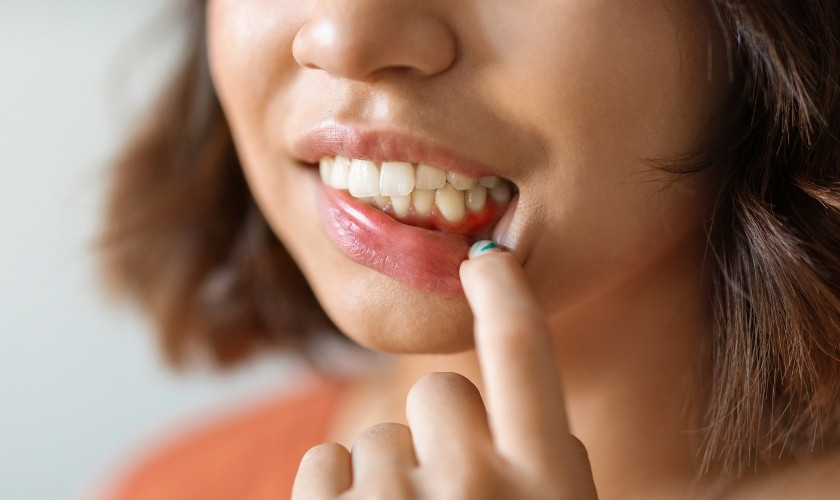
A painful swelling on your gums can be alarming, especially if it resembles a small bump or blister. Many people are tempted to squeeze or burst it, hoping for quick relief. However, what appears to be a simple pimple on the gums is often a sign of a deeper dental infection that requires professional care.
A gum abscess is your body’s response to a bacterial infection. While the pressure and discomfort may make you want to treat it yourself, attempting to drain or burst it at home can make the situation worse. Understanding the risks and knowing when to seek treatment can protect both your oral health and your overall well-being.
At Family Dentistry & Aesthetics, we believe patient education is the first step toward healthier smiles. If you’re in Fort Wayne and notice swelling, pain, or drainage around your gums, it’s important to know what’s really happening before trying any home remedies.
Why You Should Never Pop a Gum Abscess Yourself
Many people assume draining an abscess will eliminate the infection. Unfortunately, that’s rarely true.
Here are the biggest risks of trying to pop a tooth abscess at home:
The Infection Remains
Even if pus drains out, the bacteria causing the infection remain deep within the tissues or inside the tooth. Without professional treatment, the infection continues to spread.
Higher Risk of Spreading Bacteria
Using unsterile objects or fingers introduces even more bacteria into the infected area, increasing inflammation and delaying healing.
Damage to Healthy Gum Tissue
Applying pressure or using sharp objects can injure healthy gums, creating additional wounds that may become infected.
Temporary Relief Only
The pressure may decrease briefly, but pain usually returns because the source of the infection hasn’t been treated.
Serious Health Complications
Untreated dental infections can occasionally spread into nearby tissues, the jawbone, or other parts of the body. While uncommon, severe infections can become medical emergencies.
Can Popping a Gum Abscess Kill You?
The simple answer is that popping the abscess itself is not usually what causes life-threatening problems. The greater danger comes from ignoring or improperly treating the underlying infection. If bacteria spread beyond the mouth into the bloodstream or surrounding tissues, serious complications can develop.
Fortunately, these situations are uncommon when treatment is received promptly. Early dental care greatly reduces the risk of severe infection and protects both your oral and overall health.
How To Treat A Gum Abscess For Fast Relief?
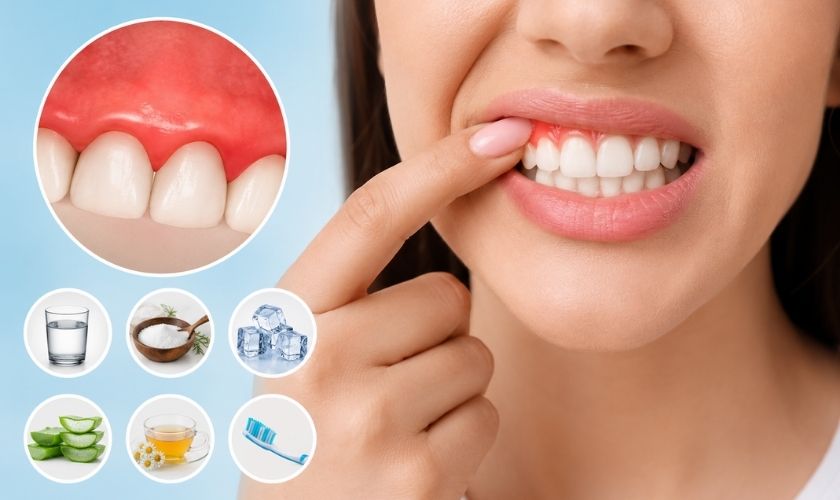
If you have a gum abscess, the safest approach is to manage the discomfort while arranging prompt dental care. Although home measures may ease pain and swelling temporarily, they cannot remove the infection causing the abscess. Avoid squeezing, puncturing, or applying harsh substances to the swollen area, as doing so can worsen the infection or damage healthy gum tissue. A dentist can determine the source of the infection and recommend the most effective treatment for lasting relief.
- Rinse gently with warm salt water several times a day.
- Take over-the-counter pain relievers as directed and avoid chewing on the affected side.
- Maintain good oral hygiene by brushing and flossing carefully around the area.
How to Prevent Gum Abscesses?
Prevention is always easier than treatment.
Healthy habits include:
- Brush twice daily using fluoride toothpaste.
- Floss every day.
- Schedule regular dental checkups and cleanings.
- Treat cavities before they worsen.
- Address cracked or damaged teeth promptly.
- Eat a balanced diet that supports healthy gums.
Routine preventive care significantly lowers your risk of developing painful dental infections.
How To Manage A Swollen Gum Area At Home Until You See A Dentist?
If you have a swollen gum area caused by a suspected abscess, focus on keeping the area clean and minimizing discomfort until you receive professional care. Home remedies can provide temporary relief, but they won’t remove the infection or replace proper dental treatment. Avoid squeezing, poking, or applying pressure to the swollen area, as this may worsen the infection or damage surrounding tissues.
While waiting for your appointment, try these simple steps:
- Rinse gently with warm salt water.
- Take over-the-counter pain medication as directed.
- Avoid chewing on the affected side of your mouth.
Protect Your Smile with Prompt Treatment
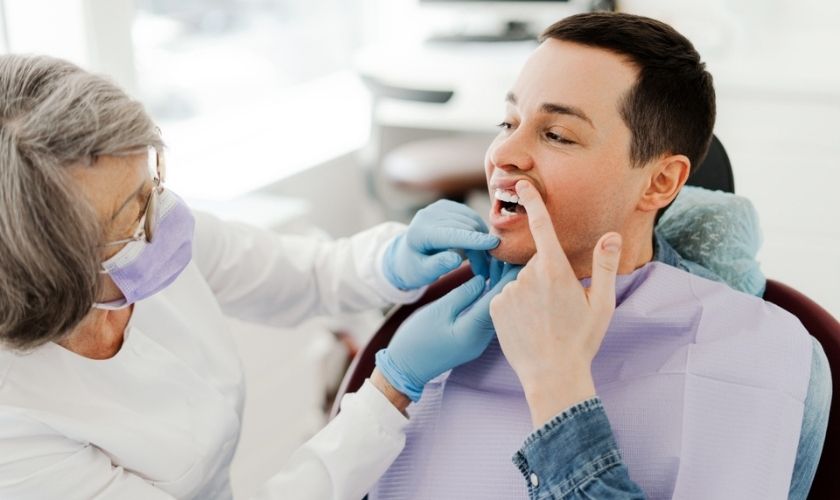
Ignoring a gum abscess or attempting to treat it yourself can allow a small problem to become much more serious. Professional evaluation identifies the true cause and provides safe, effective treatment before complications develop.
If you’re experiencing symptoms of a gum abscess, don’t rely on home remedies alone. Instead, consult an experienced dentist to receive the right diagnosis and treatment. You can visit our dental clinic or call us at (260) 432-0561 to schedule your appointment and protect your long-term oral health.
Frequently Asked Questions
1. Can a gum abscess heal on its own?
A gum abscess may temporarily drain and feel better, but the infection usually remains. Without treatment, bacteria can continue damaging the gums, tooth, or surrounding bone.
2. Is it normal for a gum abscess to drain by itself?
Yes, some abscesses rupture naturally and release pus. Although pressure decreases, the underlying infection still needs treatment because bacteria remain below the surface.
3. How long can I wait before seeing a dentist?
You should seek dental care as soon as possible. Delaying treatment allows bacteria to spread, increasing the chance of pain, swelling, bone loss, or additional dental problems.
4. What causes a gum abscess to develop?
Common causes include untreated gum disease, tooth decay, food trapped beneath the gums, cracked teeth, poor oral hygiene, or bacterial infections affecting the gum tissue.
5. Can I use warm salt water for a gum abscess?
Warm salt water may temporarily soothe irritation and help keep the area cleaner, but it does not eliminate the bacterial infection causing the abscess.
6. Will antibiotics cure a gum abscess completely?
Antibiotics may help reduce bacterial spread, but they usually cannot remove the source of infection. Dental treatment is often necessary for complete healing.
7. How can I prevent another gum abscess?
Brush and floss daily, attend regular dental cleanings, treat cavities early, and manage gum disease promptly to reduce the risk of future infections.