4626 West Jefferson Blvd. Fort Wayne, Indiana 46804


Invisalign for the Whole Family: Key Questions for Adults and Parents to Consider
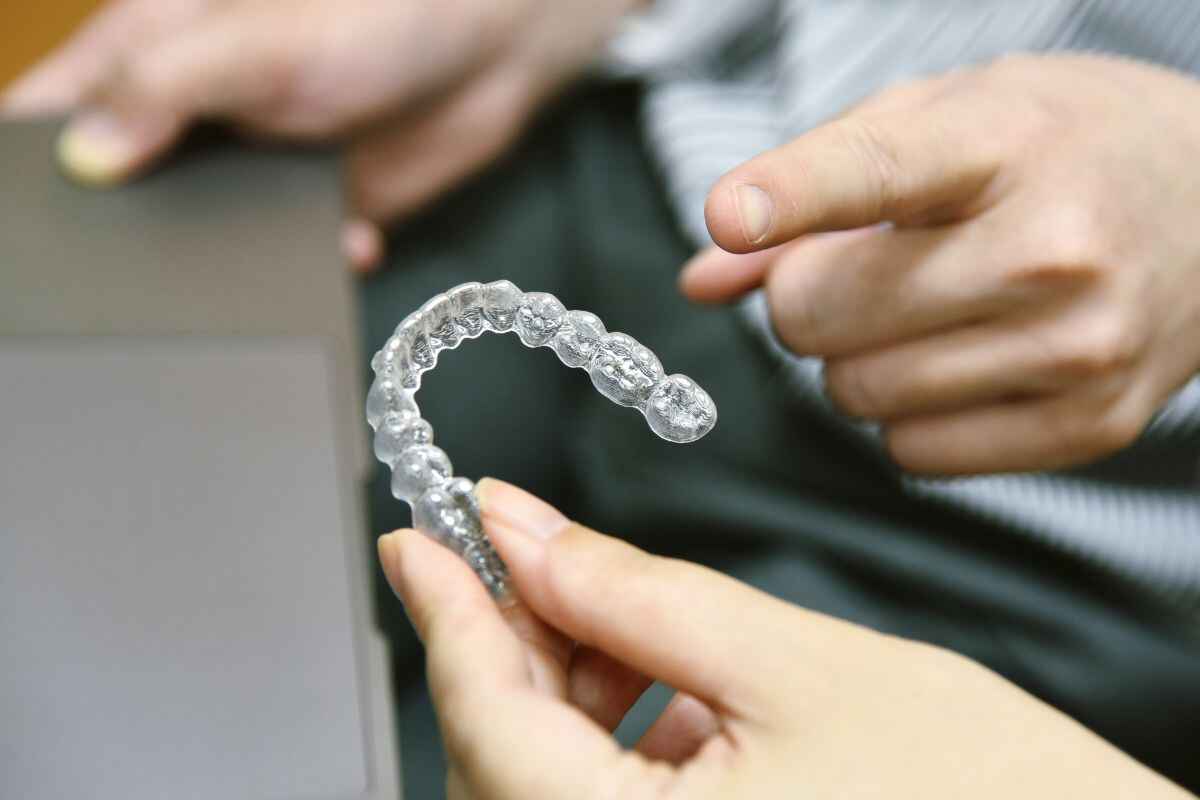
Invisalign offers adults and teens a discreet, removable alternative to traditional braces for correcting crowding, bite problems, and misaligned teeth. Most treatments require wearing clear aligners 20–22 hours per day for several months, with timelines depending on the complexity of the case and patient compliance.
Before starting, patients and parents should understand candidacy requirements, daily wear expectations, oral hygiene responsibilities, cost considerations, and the differences between adult and teen treatment. Asking the right questions at the beginning helps ensure predictable results and long-term stability.
Key Questions to Ask Before Starting Invisalign
1. What Orthodontic Problems Can Invisalign Correct?
Invisalign clear aligners treat many common orthodontic concerns, including:
- Crowded teeth
- Spacing issues
- Overbite and underbite
- Crossbite
- Mild to moderate jaw alignment problems
2. How Does Invisalign Actually Move Teeth?
Invisalign uses a series of custom-fabricated, medical-grade clear aligners. Each aligner applies controlled pressure to specific teeth. You wear one set for about one to two weeks before switching to the next.
The gradual progression is what makes clear aligner therapy predictable. Unlike traditional braces that rely on tightening wires, Invisalign aligners guide teeth through pre-planned stages of movement.
Patients typically feel mild pressure for a few days after changing trays. That sensation tells me the aligners are doing their job.
3. How Long Does Invisalign Treatment Take?
Treatment time depends on the complexity of alignment.
Many mild to moderate cases finish within 8 to 12 months. More involved cases may take longer. The biggest factor that determines timeline is wear time.
Both adults and children must wear Invisalign aligners for at least 20 to 22 hours per day for maximum effects and results. Removing them frequently or forgetting to wear them extends treatment. I make that clear from the beginning because consistency directly affects outcome.
4. Is Invisalign as Effective as Braces?
For properly selected cases, yes.
Invisalign and braces both move teeth by applying controlled force. Braces may still be preferable in very complex orthodontic cases or when compliance is a concern. However, for many adults and teens with mild to moderate crowding or bite issues, Invisalign delivers comparable results with greater flexibility.
The key is case evaluation and patient discipline.
5. How Much Does Invisalign Cost, and Does Insurance Cover It?
The cost of Invisalign treatment varies depending on how many aligners are required and how long treatment will last.
In many situations, Invisalign costs are similar to traditional braces. Most dental insurance plans that include orthodontic benefits also apply coverage to clear aligners.
6. Are There Food Restrictions with Invisalign?
This is one of the reasons patients prefer clear aligners.
You remove Invisalign before eating. That means no restrictions on popcorn, apples, or other foods that typically damage brackets and wires.
However, you must brush before placing the aligners back in your mouth. Trapping food and sugar under aligners increases the risk of cavities. Good oral hygiene becomes even more important during orthodontic treatment.
7. What Happens If I Lose or Break an Aligner?
Lost aligners happen, especially in busy households.
If that occurs, contact your dental office promptly. Depending on your stage in treatment, your dentist may recommend moving to the next aligner or ordering a replacement.
Delays in addressing a lost tray can set treatment back. I advise patients to store aligners in their case whenever they remove them. Napkins and lunch trays are common places where aligners disappear.
Is Invisalign Different for Teens?
Now let’s address what many parents want to know.
The mechanics of tooth movement are the same for adults and teenagers. However, teenagers are still growing. They also manage school schedules, sports, social activities, and varying levels of responsibility.
Because of that, Invisalign for teens includes features designed specifically for younger patients.
8. How Is Invisalign for Teens Designed Differently?
Invisalign for teens often includes compliance indicators – small blue dots that fade with proper wear. These markers help us monitor whether aligners are being worn the recommended 20 to 22 hours daily.
Teen aligners can also accommodate erupting molars, which makes them suitable for growing mouths.
From a clinical standpoint, these design modifications allow us to guide development while straightening teeth.
9. Is Invisalign a Good Choice for Active Teenagers?
For many teens, yes.
Clear aligners eliminate concerns about broken brackets during contact sports. They reduce irritation to cheeks and lips. Students who play band instruments often find aligners easier to manage than braces.
However, Invisalign only works if the teen wears it consistently. If a teenager frequently removes aligners or forgets to replace them after meals, braces may provide more predictable control.
When I evaluate a teen for clear aligner therapy, I assess not just the bite, but also maturity and responsibility.
10. What Should Parents Watch for During Treatment?
Parents should monitor:
- Daily wear time
- Proper cleaning habits
- Missed or damaged aligners
- Complaints of persistent discomfort
A slight lisp or extra saliva may occur during the first few days. That adjustment period is normal. If aligners cause sharp pain or do not fit properly, your dentist needs to evaluate the fit.
Successful Invisalign treatment for teens requires partnership between dentist, parent, and patient.
11. Are there diet restrictions to follow?
Yes, there are diet restrictions for metal braces, which your teen may find challenging to follow. However, there are no dietary restrictions with Invisalign, as they can remove them before eating.
Why Straightening Teeth Early Matters
Whether we treat an adult or a teenager, the goals remain the same:
- Improve bite alignment
- Reduce uneven tooth wear
- Lower risk of gum disease
- Make brushing and flossing easier
- Support long-term oral health
Even when front teeth appear straight, back teeth may not contact properly. Over time, that imbalance can contribute to jaw strain and enamel damage.
Schedule an Invisalign Consultation at Family Dentistry & Aesthetics in Fort Wayne
If you are considering Invisalign for yourself or your teenager, the first step is a thorough evaluation. We will examine bite alignment, review digital scans, and discuss whether clear aligners are the right approach for your situation.
Call our office to schedule your Invisalign consultation. Let’s determine the most appropriate path to a healthier, properly aligned smile.