4626 West Jefferson Blvd. Fort Wayne, Indiana 46804


Invisalign vs. Braces: Which Actually Works Better for Adults
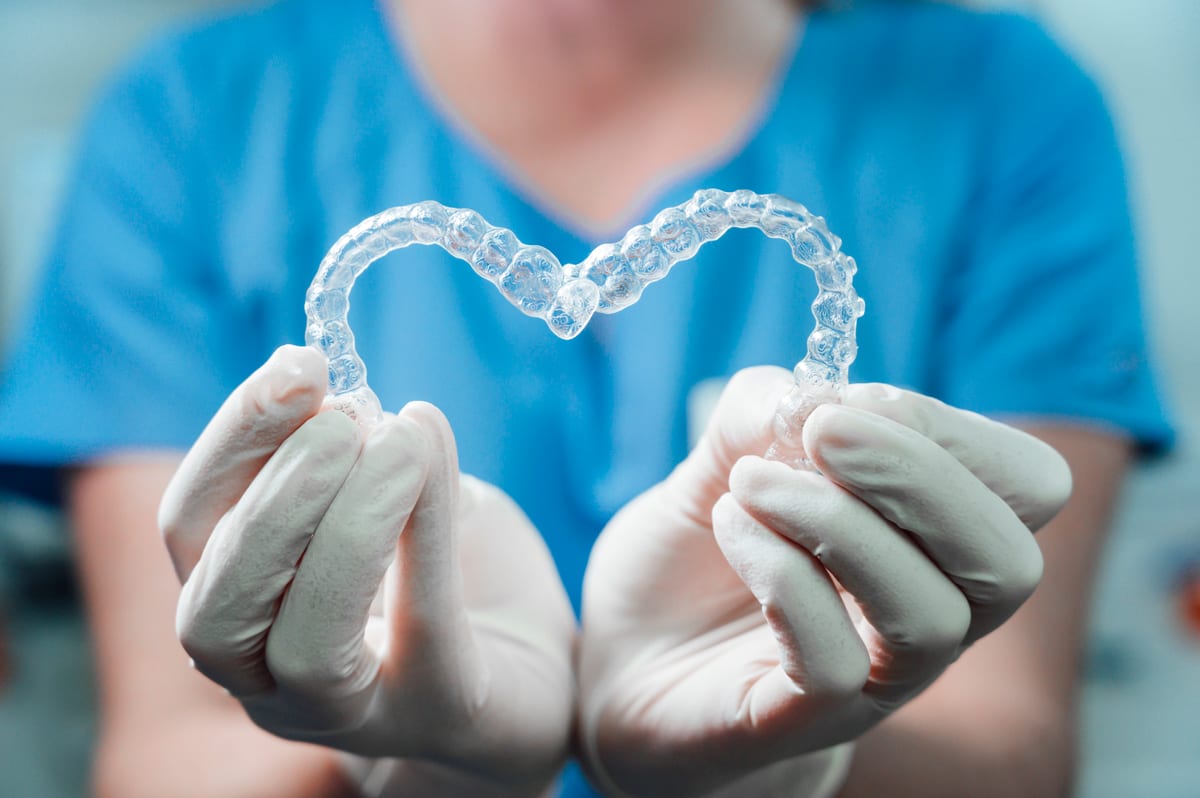
Choosing between Invisalign vs. braces for adults in Fort Wayne is a big decision. Both options can straighten your teeth effectively. But they work very differently — and one may suit your lifestyle far better than the other. At Family Dentistry & Aesthetics, Dr. Thomas Gilbert helps adults understand their options before committing to treatment.
This article breaks down the key differences between Invisalign and traditional braces. We cover comfort, appearance, compliance, cost, and treatment scope. By the end, you will have a clearer picture of which path makes sense for you.
Invisalign vs. Braces: How Each Treatment Works
Traditional braces use metal brackets and wires attached to your teeth. Your orthodontist or dentist tightens the wires at regular intervals. This gradual pressure moves teeth into alignment over time. Most adults wear braces for 18 to 36 months.
Invisalign uses a series of custom-made clear plastic aligners. You swap to a new set of aligners every one to two weeks. Each set gently shifts your teeth toward their final position. Treatment time for adults typically ranges from 12 to 24 months, depending on complexity.
Both systems work through consistent, controlled pressure on your teeth. The delivery method is the biggest difference. That difference affects nearly every aspect of your daily experience during treatment.
Comfort and Appearance: A Key Comparison for Fort Wayne Adults
For most adults, appearance is a top concern. Metal braces are highly visible. Many adults feel self-conscious wearing them in professional or social settings. This is one area where Invisalign has a clear advantage.
Invisalign aligners are made from smooth, BPA-free plastic. They fit snugly over your teeth and are nearly invisible. Most people will not notice you are wearing them during a conversation or meeting.
Comfort is also worth comparing directly:
- Invisalign: Smooth plastic edges with no brackets or wires to irritate cheeks
- Traditional braces: Metal brackets can cause sores and discomfort, especially after adjustments
- Invisalign: Mild pressure when switching to a new aligner tray
- Traditional braces: Soreness after wire tightening appointments, often lasting a few days
- Invisalign: Removable for meals, brushing, and special occasions
- Traditional braces: Fixed in place for the full treatment duration
Both options can cause some temporary discomfort. However, most adults find Invisalign easier to manage day to day. If discretion and comfort are priorities, Invisalign often wins this comparison.
Compliance, Oral Hygiene, and Lifestyle Considerations
Here is where Invisalign requires more personal responsibility. You must wear your aligners for 20 to 22 hours every day. Removing them too often slows your progress significantly. Patients who struggle with consistency may actually do better with fixed braces.
Oral hygiene is much easier with Invisalign. You simply remove the aligners to brush and floss normally. With braces, you must navigate around brackets and wires. Food gets trapped more easily, raising the risk of decay if hygiene slips.
Diet restrictions differ too. With braces, you must avoid hard, sticky, or crunchy foods. These can break brackets or bend wires. Invisalign users remove their aligners before eating — so there are no food restrictions at all.
Consider your daily routine honestly. If you travel frequently, work in a client-facing role, or value flexibility, Invisalign typically integrates more smoothly into adult life.
Treatment Scope: What Each Option Can and Cannot Fix
Not every alignment issue qualifies for Invisalign. Traditional braces can handle a wider range of complex cases. These include severe crowding, significant bite problems, and rotations of certain tooth types.
Invisalign technology has improved dramatically in recent years. It now treats many moderate to complex cases that previously required braces. Dr. Thomas Gilbert evaluates each patient individually to determine candidacy. A thorough exam and digital imaging help clarify what each system can realistically achieve.
Here are common cases and how each option typically applies:
- Mild to moderate crowding: Both Invisalign and braces work well
- Spacing and gaps: Invisalign is highly effective
- Overbite correction: Both can address this, braces may have an edge in severe cases
- Crossbite and underbite: Braces are often preferred for complex versions
- Severe skeletal issues: May require additional treatment beyond either option
Dr. Gilbert will tell you honestly which system suits your specific needs. The goal is always the best clinical outcome — not just the most popular choice.
Cost and Time Investment: What Fort Wayne Patients Should Expect
Cost is often the deciding factor for adults weighing these options. In general, Invisalign tends to cost slightly more than traditional braces. However, the gap has narrowed in recent years as Invisalign has become more widely available.
Treatment duration also affects the total investment. Faster treatment means fewer appointments and less time away from your regular schedule. Invisalign often requires fewer in-office visits than braces, since there are no wires to adjust manually.
Think about the full picture when comparing costs. Consider the value of fewer missed work hours, easier oral hygiene, and the confidence that comes with a discreet treatment option. For many adults in Fort Wayne, the lifestyle benefits justify the investment.
Family Dentistry & Aesthetics offers flexible payment options to make Invisalign accessible. Dr. Gilbert’s team will walk you through pricing during your consultation so there are no surprises.
When Other Dental Issues Need Attention First
Starting orthodontic treatment requires a healthy foundation. Any existing decay, gum disease, or damaged teeth must be addressed before Invisalign or braces can begin. Fortunately, Dr. Gilbert offers a full range of restorative services at the same practice.
If you have a cracked or broken tooth that needs immediate attention, our team handles Dental Emergency Fort Wayne cases promptly. Getting urgent issues resolved first protects your overall treatment plan.
Some adults also discover they are missing teeth during their initial consultation. In those cases, Dental Implants Fort Wayne may be recommended before orthodontic work begins. Implants restore the full structure of your smile and support proper bite alignment going forward.
Addressing these issues first ensures your Invisalign or braces treatment produces the best possible result. Dr. Gilbert coordinates all of this care under one roof for your convenience.
Making Your Decision: Which Is Right for You?
There is no universal answer to the Invisalign vs. braces question. The right choice depends on your specific alignment issues, lifestyle, and personal priorities. Both options work well when used correctly and consistently.
If discretion, comfort, and flexibility matter most, Invisalign is likely your best option. If your case is complex or you know you might struggle with compliance, traditional braces may deliver more reliable results. Dr. Thomas Gilbert will give you an honest recommendation based on a thorough clinical evaluation — not a sales pitch.
Adults in Fort Wayne deserve a straight, healthy smile that fits their life. Our team at Family Dentistry & Aesthetics is here to help you get there. Book Now to schedule your appointment with our team.
Frequently Asked Questions
Is Invisalign really as effective as braces for adults?
Yes, for many cases Invisalign is equally effective as traditional braces. Modern aligner technology can treat mild to moderately complex alignment issues very successfully. Your dentist will evaluate your specific situation and recommend the option most likely to deliver your desired results.
How long does Invisalign treatment take for adults?
Most adult patients complete Invisalign treatment in 12 to 24 months. Simpler cases may finish in as little as six to twelve months. Treatment time depends on the complexity of your alignment issues and how consistently you wear your aligners each day.
Can I switch from braces to Invisalign partway through treatment?
In some cases, switching mid-treatment is possible, but it is not always recommended. It depends on what stage of treatment you are in and what your remaining alignment goals are. Dr. Gilbert would need to evaluate your current progress before advising on a switch.
Does Invisalign hurt more or less than braces?
Most patients find Invisalign more comfortable overall than traditional braces. There is no metal hardware to irritate soft tissue in your mouth. You may feel mild pressure when switching to a new aligner tray, but this typically fades within a day or two.
What happens after Invisalign or braces treatment ends?
After completing either treatment, you will need to wear a retainer. Retainers prevent your teeth from shifting back to their original positions over time. Dr. Gilbert will discuss your retainer options and how long you should plan to wear it each day.