4626 West Jefferson Blvd. Fort Wayne, Indiana 46804


How Malocclusions Affect Your Oral Health
Who doesn’t want a beautiful smile? It plays a massive role in creating first impressions and confidence levels. Unfortunately, not everyone is lucky enough to have one. It’s because there are numerous dental conditions like malocclusions that prevent a good smile.
What is malocclusion?
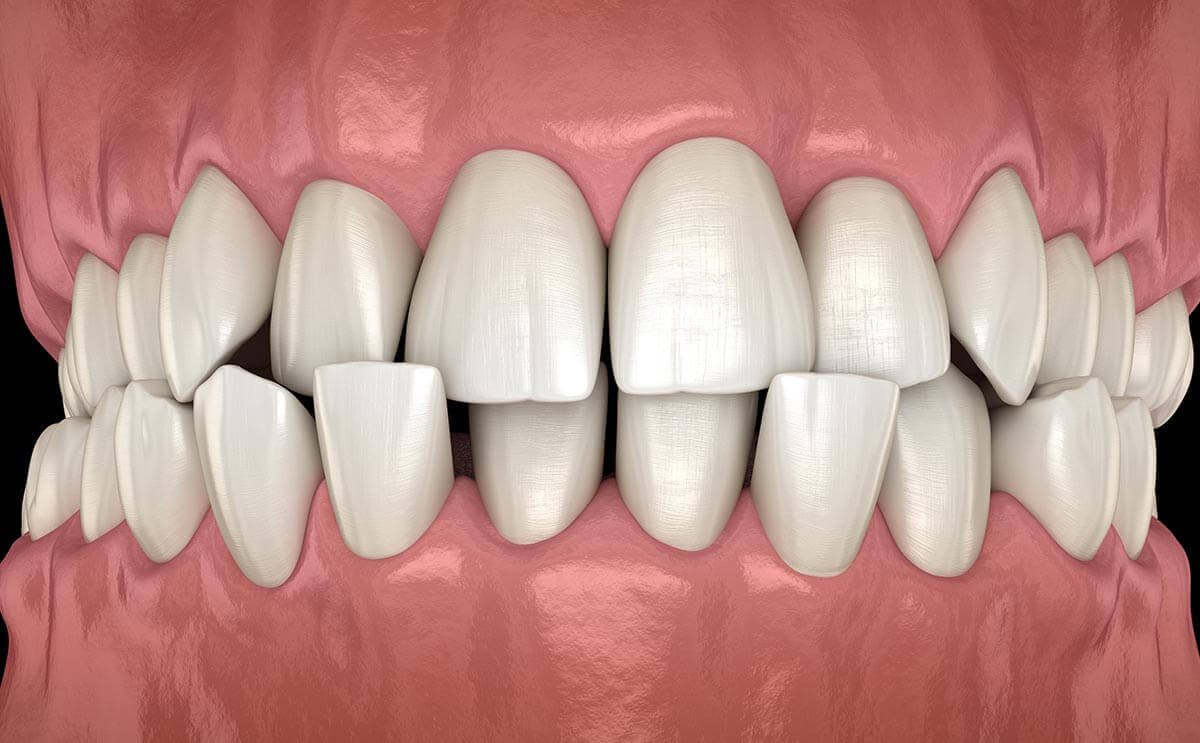
Malocclusion directly affects your teeth and oral health through misaligned teeth. And while there are various types, the most common are:
- Underbites, where the lower jaw protrudes farther in front of the upper jaw
- Overbites where the top teeth protrude in front of the lower teeth
- Crocoites, where the upper teeth overlap the lower teeth on only one side of the mouth
It is not just the type. Malocclusions also come in three classes:
- Class I is the most common, with properly aligned upper and lower molars, but other teeth are either too far apart or close together
- Class II is common, with small jaws having a severe overbite, with the upper teeth overlapping the lower teeth
- Class III is common, with larger jaws and a severe underbite causing lower teeth to overlap the upper teeth
How Malocclusions affect oral teeth
Now that you know about the types of malocclusions, here is how they affect your oral health:
Increased tooth sensitivity
Malocclusions tend to wear out your teeth enamel prematurely, thus affecting your oral health. The enamel protects your teeth from decay and damage. And it’s when improperly aligned that your teeth tend to rub against each other, thus causing enamel wear and tear with time.
Worn-out enamel increases sensitivity while drinking both hot and cold drinks and eating food, and you are more likely to undergo damage or decay.
Neck and headache
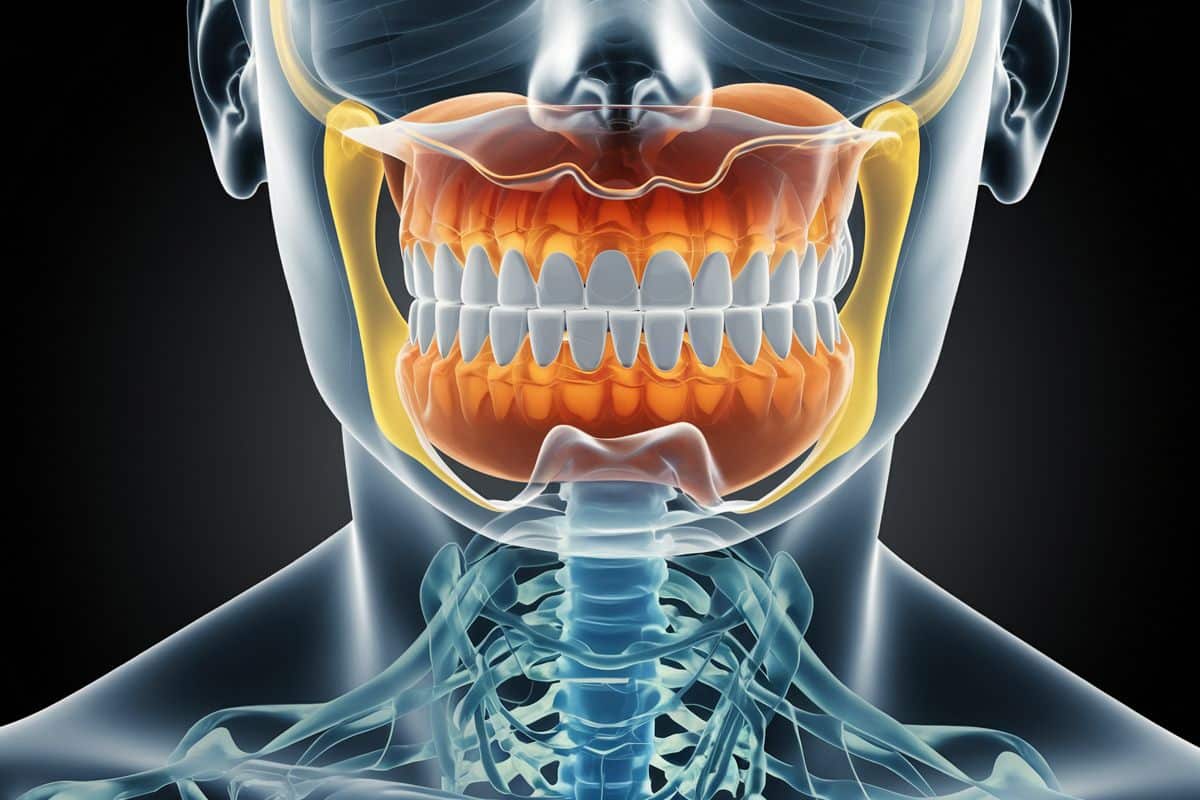
Malocclusions affect jaw functioning to trigger persistent earaches, neck pain, headaches, and other symptoms. It’s because, with a malocclusion, your teeth do not meet together for proper chewing.
Your jaw thus ends up working harder and stiffens up or gets strained. This leads to eventual long-term pain and discomfort in your jaw area.
Increased tooth decay and gum disease risks
Tooth decay and gum diseases are quite common in people having perfectly aligned teeth. So it’s not surprising that their risks are higher with those having malocclusions.
With misaligned teeth, proper cleaning gets difficult as the overlapping teeth make it difficult to reach some teeth. So it often leads to an accumulation of tartar and plaque in the difficult-to-reach areas. And excess plaque and tartar only trigger gum disease or tooth decay.
Difficult to bite and chew food
Misaligned teeth can make it difficult to bite or chew because teeth cannot function properly. This can trigger pain in jaw muscles (and/or) headaches. Besides, there is the risk of malnutrition or digestive problems after swallowing food you don’t bite or chew properly.
So if you notice you suffer from one of the abovementioned problems, consult your dentist. You may have a malocclusion, which will significantly affect your oral health.