4626 West Jefferson Blvd. Fort Wayne, Indiana 46804


The Surprising Connection Between Sleep Apnea and Dental Health
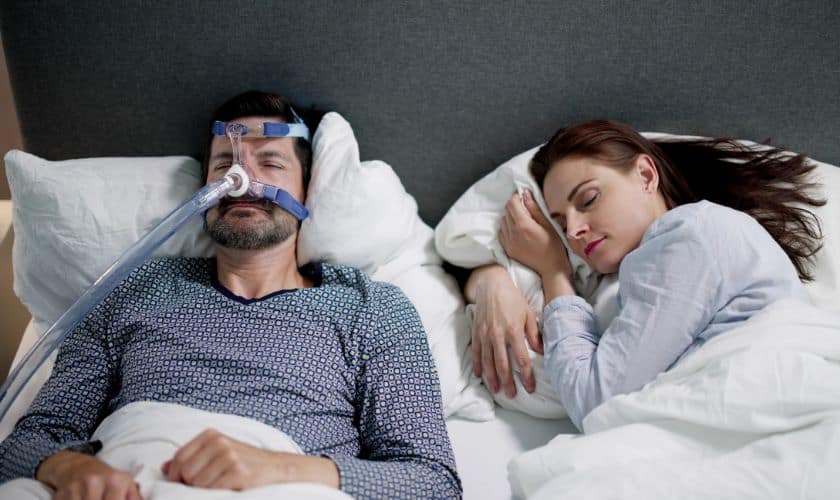
Did you know that your dental health could be impacting your quality of sleep? It may sound like an unlikely duo, but research has shown a surprising link between sleep apnea and dental issues. In this blog post, we will delve into the fascinating connection between these two seemingly unrelated conditions and explore how dental problems can contribute to sleep apnea.
Understanding the link between sleep apnea and dental problems
Sleep apnea is a common yet often undiagnosed sleep disorder that affects millions of people worldwide. It is characterized by interruptions in breathing during sleep, leading to poor quality sleep and various health issues. While most people associate sleep apnea with respiratory problems, it may come as a surprise that dental health can also play a significant role in this condition.
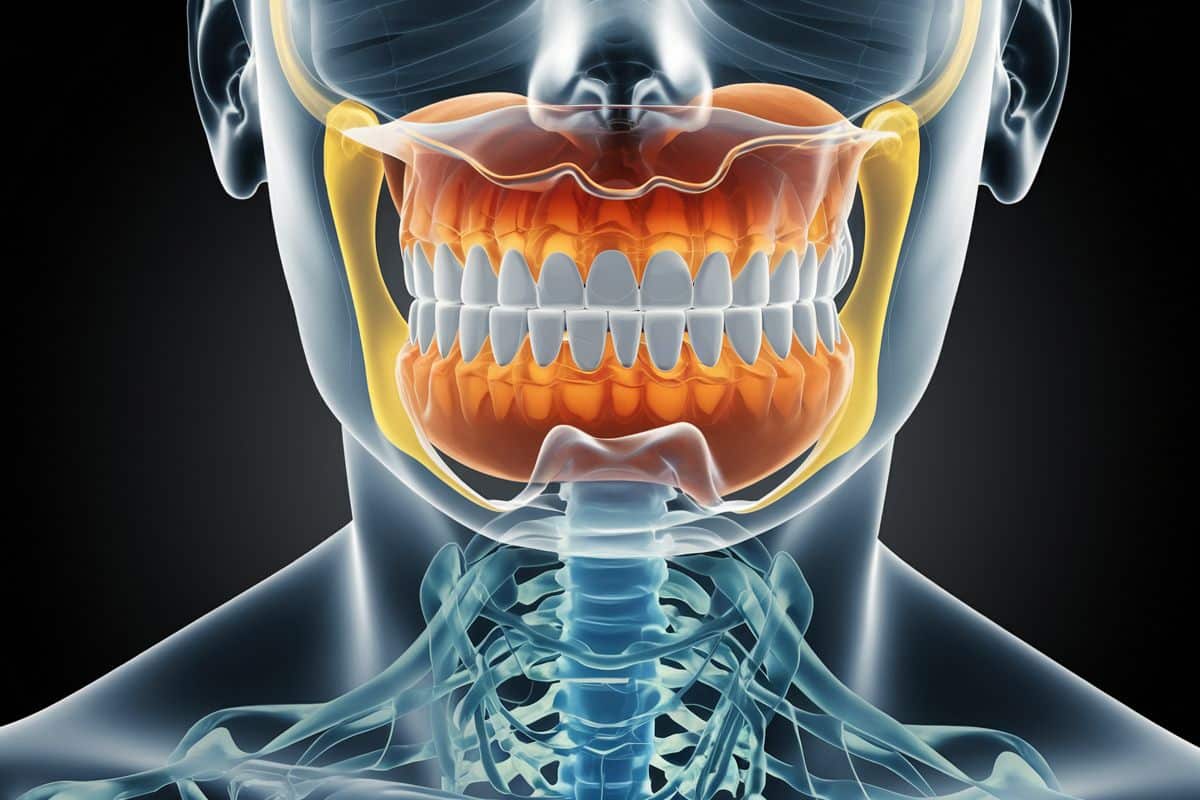
One of the primary connections between sleep apnea and dental problems lies in the structure of the mouth. Individuals with certain anatomical features such as narrow airways, large tongues, or small jaws are more prone to developing both obstructive sleep apnea (OSA) and oral health issues. These structural abnormalities can contribute to snoring, which is often an indicator of OSA.
Moreover, untreated dental issues like cavities, gum disease, or missing teeth can exacerbate symptoms of sleep apnea. Oral infections or inflammation can cause swelling and narrowing of the airways, making it harder for individuals to breathe properly during sleep.
How dental issues can contribute to sleep apnea
Sleep apnea is a complex and multifaceted condition that can have serious implications for our overall health and well-being. While it may be surprising to learn about the connection between sleep apnea and dental health, it is an important link to understand.
We now know that dental issues such as misaligned teeth, jaw problems, or temporomandibular joint disorder (TMJ) can contribute to the development or worsening of sleep apnea. These dental conditions can disrupt the airway during sleep, leading to breathing difficulties and potentially exacerbating existing sleep apnea symptoms.
If you suspect that your dental health may be contributing to your sleep apnea, it is essential to seek professional help. A dentist who specializes in treating sleep disorders can evaluate your oral health, determine if any underlying issues are present, and develop a personalized treatment plan tailored to your needs.
Treatment options for addressing dental-related sleep apnea vary depending on the specific issue at hand. Some common approaches include orthodontic treatments like braces or clear aligners to correct misalignment, oral appliances designed to reposition the jaw during sleep, or even surgical interventions in severe cases.
Remember always:
– Brushing twice daily with fluoride toothpaste
– Flossing regularly
– Avoiding tobacco products
– Limiting alcohol consumption
– Maintaining regular visits with your dentist
Taking care of your teeth not only promotes overall oral health but also helps reduce the likelihood of developing dental issues that could contribute to complications with sleeping patterns. Conditions like Sleep Apnea Fort Wayne arise due to dentition problems; understanding this surprising connection highlights how interconnected our bodies truly are.