4626 West Jefferson Blvd. Fort Wayne, Indiana 46804


Do Veneers Cause Bad Breath?

Veneers enhance smiles by covering imperfect teeth, but concerns about bad breath often arise. This blog explores whether veneers cause bad breath, addressing myths and providing practical advice. Proper care ensures veneers maintain fresh breath without issues.
Understanding Veneers
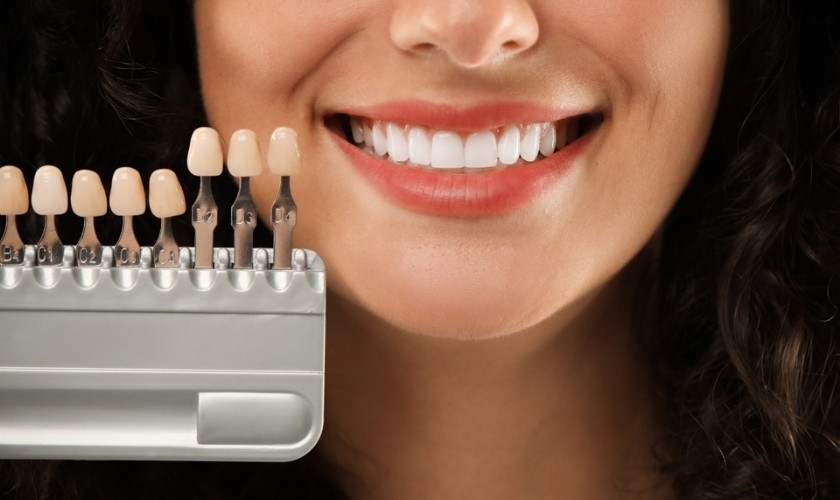
Veneers are thin shells of porcelain or composite resin bonded to the front tooth surfaces. They correct discoloration, chips, gaps, and misalignment for a natural look. Porcelain veneers last 10-15 years with good maintenance, while composite options offer affordability but shorter durability.
Do veneers make your breath stink?
No, veneers themselves do not produce odors since their non-porous materials resist bacterial adhesion. Issues like do veneers smell bad or can veneers cause bad breath stem from external factors, not the veneers.
Common Causes of Bad Breath with Veneers
Bad breath after veneers is often linked to poor oral hygiene. Plaque buildup around veneer edges produces volatile sulfur compounds (VSCs), causing odor. Neglecting flossing allows food particles to trap, fostering bacteria.
Ill-fitting or bad veneers create microscopic gaps between teeth and restorations. These spaces harbor debris, leading to decay and smells—common with bad composite veneers or improper bonding. Gum irritation from overhanging edges worsens inflammation and halitosis.
Underlying issues like dry mouth reduce saliva’s cleansing effect, amplifying problems post-procedure. Composite bonding smell may occur if residue lingers from temporary materials during fitting.
Are Veneers Bad for Your Teeth?
When placed correctly by skilled professionals, veneers protect enamel without harm. They require minimal tooth preparation, preserving structure. However, poor quality or aggressive prep can sensitize nerves or weaken teeth.
Bad veneers from inexperienced providers risk cracks, chips, or detachment, inviting bacteria and bad breath. Regular check-ups prevent these complications, ensuring long-term oral health.
Prevention Strategies
Brush twice daily with a soft toothbrush, focusing on veneer margins to disrupt plaque. Floss meticulously or use interdental brushes to clean gaps, preventing scenarios where veneers cause bad breath.
Rinse with antimicrobial mouthwash to reduce VSCs. Stay hydrated to combat dry mouth, and limit staining foods like coffee. Visit your dentist every six months for cleanings and adjustments.
For optimal results, choose a dental office in Fort Wayne with an experienced dentist in the Fort Wayne area. Precision fitting eliminates traps for bacteria, keeping breath fresh.
Veneers Before and After: Real Transformations
Veneers before and after photos showcase dramatic improvements. Patients report straighter, whiter smiles without the maintenance hassles of braces. Post-treatment, breath concerns vanish with proper hygiene, proving that veneers enhance confidence.
Success depends on aftercare. Those ignoring hygiene notice bad breath after veneers, while diligent patients enjoy odor-free results for years.
FAQs
- Do veneers make your breath stink?
No, veneers do not inherently cause bad breath. Poor hygiene or gaps from bad veneers lead to bacterial buildup and odor.
- Can veneers cause bad breath?
Veneers themselves cannot, but ill-fitting ones trap food, fostering bacteria. Regular cleanings prevent this.
- Are veneers bad for your teeth?
Quality veneers protect teeth when fitted well. Subpar work risks sensitivity, but experienced dentists minimize issues.
- What causes bad breath after veneers?
Common culprits include plaque at edges, dry mouth, or improper bonding. Adjust hygiene routines promptly.
- Do veneers smell bad?
Porcelain and composite veneers are odorless. Any smell signals hygiene lapses or fit problems.
- Are bad composite veneers prone to smells?
Yes, composite veneers wear faster, creating gaps if not maintained. Porcelain resists better.
- How to avoid bad breath with veneers?
Brush, floss daily, use mouthwash, and get professional check-ups. Consult an experienced dentist in Fort Wayne area for flawless results.