4626 West Jefferson Blvd. Fort Wayne, Indiana 46804


Do Veneers Stain? What You Need To Know

What are veneers for?
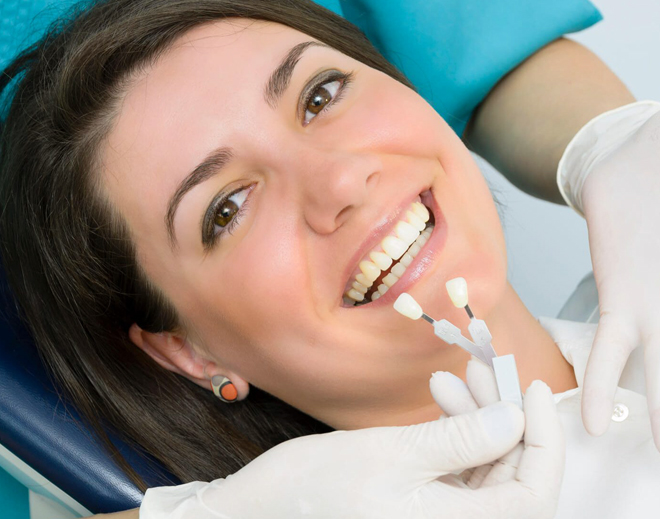
The veneers (also known as porcelain veneers and dental porcelain laminates) cover the front surface of your teeth with wafer-thin, tooth-colored materials designed to improve your appearance. A shell covering the front of the teeth can change its color, shape, size, or length.
Custom-made veneers conceal dental damage or correct it while also addressing cosmetic concerns, including discoloration, chipped decay, crookedness, and gaps between the teeth.
Different Types of Veneers that People Use
Porcelain Veneers
Porcelain veneers are thin sheets of porcelain placed on the outer surface of teeth. Veneers made of porcelain resist stains better than those made of resin. They also have better light-reflective quality, like natural teeth.
Porcelain veneers are typically a good choice for people older than 18 with good oral hygiene (absence of gum disease and tooth decay). To determine whether the cosmetic treatment is right for you, you may consult a cosmetic dentist in Fort Wayne to evaluate your teeth and gums.
Direct Composite Veneers
Direct composite veneers and indirect composite veneers differ mainly in their application process instead of their material.
Veneers made of composite resin are direct composite veneers that are directly applied to the tooth.
Typically, veneers can be applied within a few minutes after your dentist prepares your teeth for application. It is also considered a minimally invasive procedure.
Indirect Composite Veneers
Direct composite veneers require your teeth to be prepared, but indirect veneers are made outside the mouth, either in a dental laboratory or in your dentist’s office.
A temporary set of veneers will be provided to you while your indirect veneers are being made. Next, an adhesive layer is applied to the indirect composite veneers to secure them in place.
By comparison, indirect composite veneers are likely to withstand more abrasions and fractures than direct composite veneers. Nevertheless, they are generally more expensive.
You Might Want To Check Out: Ten Surprising Facts About Dental Veneers
How long do veneers stay white?
The benefits of a beautiful, straight smile make patients feel more confident than ever before. In addition to being a long-term option for treating typical dental flaws, veneers are also vulnerable to discolouration over time.
Our recommendation for preventing excessive wear of the stain-resistant resin is to use a soft toothbrush and toothpaste that is not excessively abrasive. Additionally, flossing with waxed floss or a water flosser may help you avoid pulling at your veneer edges. As part of your biannual dental checkup, the dentist will examine your porcelain veneers to ensure no signs of damage or wear.
If you grind your teeth at night or participate in contact sports, invest in a mouthguard to extend the life of your veneers. While the teeth beneath and around your dental veneers never rot, your gums are always susceptible to infection and periodontal disease.
You can expect your porcelain veneers to remain white for up to 10 years with proper care, after which time it will be time to prepare for the recommended repair or replacement.
Why are my veneers staining
In particular, porcelain veneers do not discolour because porcelain has a stain-resistant nature. On the other hand, the edges of the veneer where it touches the tooth can discolour, leaving ugly brown lines behind. Veneers do not stain as much as teeth do, but scratches can sometimes occur, trapping dirt and causing an off-colour look.
You should avoid using whitening toothpaste since it may cause fine scratches to your veneers. If this occurs, veneers will start discolouring more easily, even if it is just for a short period of time.
You should not expect teeth whitening to remove these stains since it works only on natural tooth structures. As an alternative, if a hygienist does this using ultra-fine aluminium oxide polishing strips and paste, it can be kept as smooth and stain-resistant as possible.
If your veneers are very old, they are likely created with a material with less stain resistance than the materials available today. In this situation, replacing old veneers with more stain-resistant ones is the best course. The modern materials used in veneers are extremely durable and have exceptional resistance to deterioration over time.
Things that Typically Stain Different Veneers
Sustained care can make a huge difference in dental hygiene, as it often does. Maintaining your veneers the same way you would your enamel is essential to prevent stains. You should avoid foods and drinks that contain colours that could stain.
Coffee
Moderation is key when it comes to enjoying your cup of coffee. Highly pigmented beverages like coffee and tea are extremely likely to stain your veneers. If you are not at home and do not have access to your toothbrush, rinse with water after enjoying your beverage to help prevent stains.
Red Wine
Unless you take measures to avoid wine altogether, it is important to consider how you will drink it if you do not want to stain the veneer. You can avoid staining by drinking beverages with a straw since the liquid will slide right past your teeth.
Smoking
It is technically possible to smoke after receiving porcelain veneers, but this is not recommended. Despite the porcelain veneer protecting the teeth from direct smoke, the tobacco products will still discolour natural teeth and cause other dental problems.
How are Veneers Whitened?
Your veneers will match perfectly if they are applied by a qualified dental professional who takes better impressions. Then, the extra material will be removed from the natural tooth so the veneers will adhere properly.
It is possible to improve the appearance of composite resin veneers despite the inability to whiten them. Having your teeth professionally cleaned can help you remove surface stains. A customized dental cleaning program and at-home cleaning recommendations can be obtained by consulting your dentist.
In addition, there is a likelihood that the colour shift comes from the teeth beneath the veneers rather than from the veneers themselves. If your veneers have become discoloured to a great extent, your dentist may recommend that they be replaced.
Ask a Fort Wayne dentist to know if veneers stain.
Family Dentistry & Aesthetics, a trusted family dentistry clinic in Fort Wayne, will be happy to answer any questions you have about this cosmetic procedure. Simply read through the following information. You can connect with us at (260) 432-0561 to schedule your consultation.
Read Next: Veneers: Does it ruin your teeth?