4626 West Jefferson Blvd. Fort Wayne, Indiana 46804


How Invisalign Can Solve Common Orthodontic Problems in Teens
The teenage years are an important time for developing healthy habits and building confidence. A straight, well-aligned smile can help teens feel more comfortable in social situations while supporting better oral hygiene. However, orthodontic concerns such as crowded teeth, gaps, overbites, and underbites are common during adolescence. Fortunately, modern orthodontic solutions offer options that fit into busy school schedules, sports activities, and everyday routines.
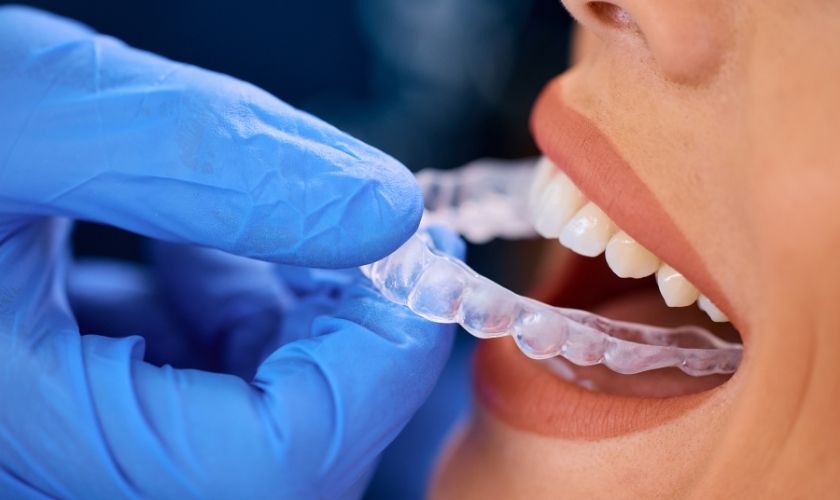
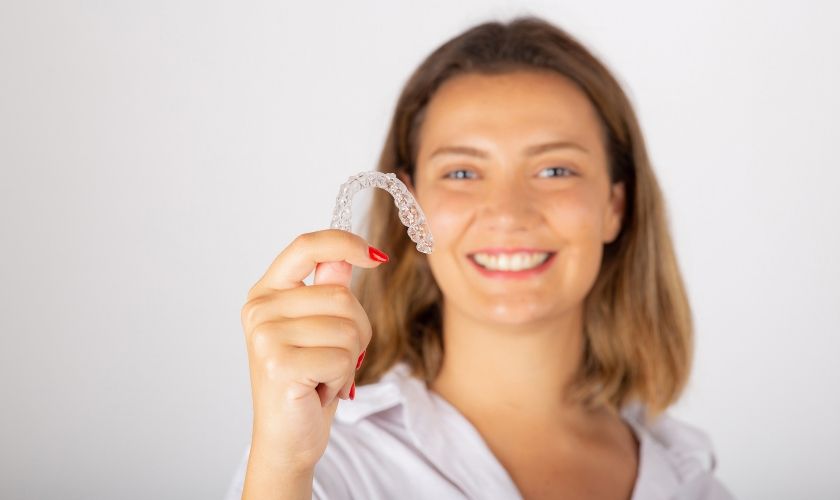
Invisalign uses a series of clear, removable aligners to gradually move teeth into better positions. Unlike traditional metal braces, these aligners are designed to be discreet and convenient. For many teenagers in Fort Wayne, this approach can make orthodontic treatment easier to manage while addressing several common alignment concerns.
1. Correcting Crowded Teeth
Crowded teeth occur when there is insufficient space in the jaw for all the teeth to fit properly. As a result, teeth may overlap, twist, or appear uneven. Crowding can make brushing and flossing more difficult because food particles and plaque can collect in hard-to-reach areas.
Clear aligners apply controlled pressure to move teeth gradually into their planned positions. Depending on the severity of the crowding and the available space, treatment may involve several stages of movement.
For teens, improved alignment can make daily oral hygiene easier and help create a more balanced smile. An orthodontic evaluation can determine whether clear aligners are appropriate or whether another treatment approach would be more effective.
2. Closing Gaps Between Teeth
Spaces between teeth, also known as dental gaps, can develop because of differences between tooth size and jaw size, missing teeth, or certain natural growth patterns. Although small gaps do not always cause health problems, some teens may feel self-conscious about their appearance.
Invisalign aligners can gradually bring selected teeth closer together when the underlying conditions allow it. Each aligner is designed to move teeth according to an individualized treatment plan.
Closing gaps can improve the appearance of a smile and may help create more consistent spacing. However, the cause of the gaps should be evaluated before treatment begins, especially when spaces are associated with unusual tooth development or other oral health concerns.
3. Improving Overbites and Underbites
Bite problems can affect how the upper and lower teeth meet when the mouth closes. An overbite involves excessive vertical overlap of the upper front teeth, while an underbite occurs when the lower front teeth sit ahead of the upper front teeth.
Depending on the type and severity of the bite problem, clear aligners may help improve tooth positioning and certain aspects of the bite. Some cases may require additional orthodontic appliances or a different treatment method.
Early assessment during the teenage years can help identify bite concerns before they contribute to uneven tooth wear, chewing difficulties, or jaw discomfort. The most suitable approach depends on the teen’s dental development and individual orthodontic needs.
4. Addressing Crossbites
A crossbite occurs when one or more upper teeth sit inside the corresponding lower teeth rather than outside them during biting. It can affect the front or back teeth and may involve one side or both sides of the mouth.
If left untreated, some crossbites can contribute to uneven tooth wear and irregular jaw development. In certain cases, clear aligners can help correct the positions of affected teeth and improve how the upper and lower teeth fit together.
However, not every crossbite can be corrected with aligners alone. Teens with significant jaw discrepancies may need other orthodontic appliances or a more comprehensive treatment plan.
5. Making Orthodontic Treatment More Convenient
Teenagers often have demanding schedules filled with classes, homework, sports, music, and social activities. Clear aligners offer flexibility because they can be removed for meals, brushing, and flossing.
Unlike fixed braces, aligners do not have metal brackets or wires that can irritate the cheeks and lips. This feature may be particularly appealing to teens who participate in contact sports or prefer a less noticeable orthodontic option.
For families considering Invisalign in Fort Wayne, it is important to understand that convenience comes with responsibility. Aligners generally need to be worn for approximately 20–22 hours each day, following the treating professional’s instructions. Forgetting to wear them consistently can delay progress.
6. Supporting Better Oral Hygiene
Keeping teeth clean during orthodontic treatment is essential. Traditional braces can make brushing and flossing more challenging because food debris may collect around brackets and wires.
Since clear aligners are removable, teens can take them out before brushing and flossing. This allows them to follow their regular oral hygiene routine without working around fixed orthodontic components.
Teens should brush twice daily with fluoride toothpaste, floss every day, and clean their aligners as instructed. They should also remove aligners before eating or drinking anything other than plain water unless their treatment provider gives different instructions.
Good hygiene habits help reduce the risk of cavities, gum inflammation, and unpleasant odors throughout treatment.
7. Building Confidence During the Teenage Years
Appearance can influence how teenagers feel about themselves, particularly during school presentations, photographs, extracurricular activities, and social gatherings. Some teens may hesitate to smile because they feel uncomfortable about crooked or uneven teeth.
Clear aligners are made from transparent material, making them less noticeable than traditional braces in many situations. This can help teens feel more comfortable while working toward improved alignment.
Every teen responds differently to orthodontic treatment, and confidence should never depend entirely on having a perfectly straight smile. Still, choosing a treatment option that fits a teenager’s preferences may make the overall experience more positive.
Is Invisalign the Right Choice for Your Teen?
Clear aligners can address many orthodontic concerns, but they are not suitable for every case. Treatment success depends on the type of alignment problem, the stage of dental development, and the teenager’s ability to wear the aligners consistently.
An orthodontic assessment can identify the concerns that need correction and determine whether aligners, traditional braces, or another approach would provide the best outcome.
At Family Dentistry & Aesthetics, families can explore orthodontic options based on their teen’s individual needs and smile goals. Understanding the available treatments helps parents and teenagers make informed decisions about their oral health.
If your teenager has crowded teeth, unwanted gaps, or bite alignment concerns, contact us to learn more about possible treatment options and what to expect during the process.
With the right treatment plan and consistent care, teens can work toward a healthier, more balanced smile while maintaining their everyday routines. Families in Fort Wayne can also visit our dental office to discuss whether clear aligners are an appropriate option for their teenager.
Frequently Asked Questions
- At What Age Can Teenagers Start Invisalign?
Many teenagers can begin clear aligner treatment once their permanent teeth have erupted sufficiently. The appropriate starting age depends on dental development, the alignment problem, and an individual orthodontic assessment.
- How Long Does Invisalign Treatment Take for Teens?
Treatment commonly takes around 12–24 months, although some cases finish sooner and others require more time. The duration depends on tooth movement needs, treatment complexity, and consistent daily aligner wear.
- Can Invisalign Fix Crowded Teeth in Teenagers?
Yes, clear aligners can correct many mild to moderate crowding problems by gradually repositioning teeth. Severe crowding may require additional procedures or another orthodontic approach based on the available space.
- Can Teens Eat While Wearing Invisalign Aligners?
Teens should remove their aligners before eating meals or snacks. Eating with aligners can damage them or trap food against the teeth. Plain water is generally suitable while wearing the aligners.
- How Many Hours a Day Should Teens Wear Invisalign?
Most teens need to wear their aligners for approximately 20–22 hours daily. They should remove them for meals, drinks other than plain water, and oral hygiene, following their individual treatment instructions.
- Is Invisalign Better Than Traditional Braces for Teens?
Neither option is best for every teenager. Clear aligners are removable and discreet, while traditional braces can manage many complex alignment problems. The right choice depends on individual needs and treatment goals.
- Does Invisalign Hurt During Treatment?
Teens may experience mild pressure or temporary soreness when starting a new aligner. This sensation usually eases within a few days as the teeth adjust. Persistent or severe discomfort should be assessed by the treating professional.