4626 West Jefferson Blvd. Fort Wayne, Indiana 46804


Why Do My Dental Implants Feel Loose?
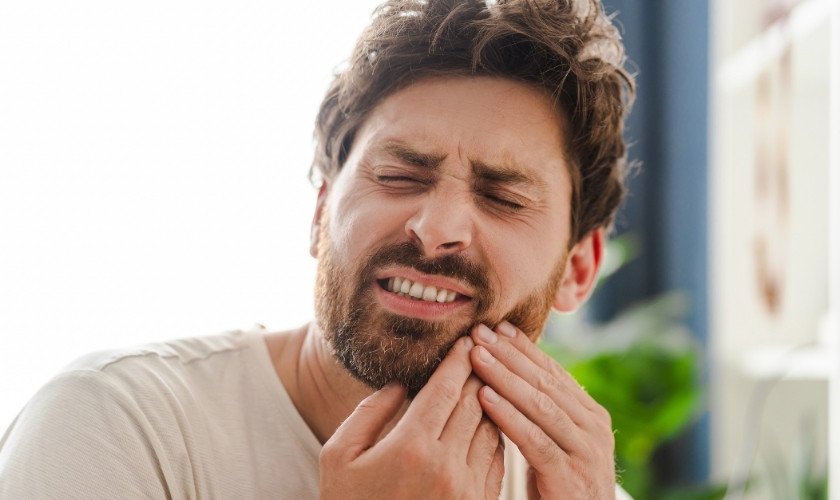
Dental implants are designed to be a long-lasting and stable solution for missing teeth. They are securely anchored into the jawbone and function much like natural tooth roots. However, some patients may occasionally notice that their implant feels loose, causing concern about the health and stability of their restoration. If you are experiencing this issue in Fort Wayne, understanding the possible causes can help you determine the next steps.
Understanding Dental Implant Stability
A dental implant consists of three main components: the implant post, the abutment, and the dental crown. Once placed, the titanium post fuses with the jawbone through a process called osseointegration. This creates a strong foundation that supports the replacement tooth.
Because implants are intended to remain fixed in place, any sensation of looseness should be evaluated by a dental professional. The good news is that a loose feeling does not always mean the implant itself has failed.
Common Reasons a Dental Implant May Feel Loose
Loose Dental Crown
One of the most common causes is a loose crown. The crown is attached to the implant through an abutment and may occasionally become loose due to normal wear and tear, biting forces, or a weakened attachment screw.
When this happens, the implant post may remain firmly integrated with the jawbone while only the visible restoration requires adjustment or repair.
Loose Abutment
The abutment serves as the connector between the implant and the crown. In some cases, the abutment screw can loosen over time, especially if excessive pressure is placed on the implant.
Patients may notice slight movement when chewing or speaking. Fortunately, this issue can often be corrected without replacing the implant.
Bone Loss Around the Implant
Healthy bone tissue is essential for implant stability. If bone loss occurs around the implant, the support structure may weaken, causing the implant to feel loose.
Bone loss may result from poor oral hygiene, infection, smoking, or certain medical conditions that affect bone health.
Peri-Implantitis
Peri-implantitis is an inflammatory condition that affects the tissues surrounding a dental implant. Similar to gum disease around natural teeth, this condition can lead to infection and progressive bone loss if left untreated.
Early diagnosis is important to protect the implant and surrounding structures.
Excessive Bite Pressure
Grinding or clenching your teeth can place significant stress on dental implants. Over time, these forces may loosen implant components or contribute to surrounding bone changes.
Patients who grind their teeth may benefit from a custom nightguard to reduce pressure on their restorations.
Implant Failure
Although dental implants have a high success rate, implant failure can occur in rare cases. Factors such as infection, insufficient bone support, smoking, or medical complications may interfere with the implant’s long-term stability.
If the implant post itself is moving within the jawbone, prompt professional evaluation is necessary.
Signs You Should Not Ignore
In addition to looseness, watch for these symptoms:
- Pain or discomfort around the implant
- Swelling of the gums
- Bleeding when brushing
- Difficulty chewing
- Receding gum tissue
- Persistent bad breath
- Visible movement of the implant or crown
These signs may indicate an underlying issue that requires treatment.
How a Dentist Diagnoses a Loose Implant
A comprehensive examination helps determine the exact source of the problem. Your dentist may:
- Evaluate implant mobility
- Check the crown and abutment connection
- Examine gum health
- Take digital X-rays
- Assess bone levels around the implant
The treatment recommendation depends on whether the crown, abutment, or implant itself is affected.
Treatment Options
Treatment varies depending on the cause of the looseness.
Crown Tightening or Replacement
If only the crown is loose, it may be tightened, repaired, or replaced.
Abutment Adjustment
A loose abutment can often be secured by tightening or replacing the connecting screw.
Infection Management
For peri-implantitis, treatment may include deep cleaning, antibacterial therapy, and measures to stop further bone loss.
Bone Grafting
Patients with significant bone loss may require bone grafting procedures to restore support around the implant.
Implant Replacement
In cases of complete implant failure, the implant may need to be removed and replaced after appropriate healing.
Preventing Future Implant Problems
Maintaining good oral hygiene is one of the best ways to protect your investment. Brush twice daily, floss regularly, attend routine dental visits, and avoid tobacco products.
Patients considering or undergoing dental implant treatment in Fort Wayne should also follow all post-treatment instructions carefully to support long-term success.
At Family Dentistry & Aesthetics, patients receive comprehensive care focused on preserving the health and function of their dental restorations. Regular checkups can help identify concerns before they become major problems.
When to Seek Professional Care
A dental implant should never feel loose. Whether the issue involves the crown, abutment, or implant itself, prompt evaluation is essential to prevent further complications. If you notice movement, discomfort, or changes around your implant, contact a trusted dental office for an assessment. Early diagnosis often leads to simpler and more effective treatment options.
If you have concerns about the stability of your dental implant, book an appointment with an experienced dental professional to determine the cause and receive appropriate care.
Frequently Asked Questions
1. Is it normal for a dental implant to feel loose?
No. Dental implants should remain firmly secured in the jawbone. A loose feeling may indicate an issue with the crown, abutment, or surrounding tissues.
2. Can a loose implant crown be fixed?
Yes. In many cases, the crown can be tightened, repaired, or replaced without affecting the implant post underneath.
3. What causes bone loss around dental implants?
Poor oral hygiene, infection, smoking, and certain health conditions can contribute to bone loss around an implant.
4. How do I know if my implant is failing?
Signs may include movement, pain, swelling, gum recession, bleeding, or difficulty chewing near the implant site.
5. Can teeth grinding affect dental implants?
Yes. Frequent grinding or clenching can place excessive force on implant components and may increase the risk of loosening.
6. Is peri-implantitis treatable?
Yes. Early treatment can help control infection, reduce inflammation, and protect the surrounding bone and gum tissue.
7. How often should implant patients have dental checkups?
Most patients benefit from regular dental examinations and professional cleanings every six months, or as recommended by their dentist.