4626 West Jefferson Blvd. Fort Wayne, Indiana 46804


Before and After Dental Crowns: What Fort Wayne Patients Need to Know

Have you been told you need a tooth crown, and you are not sure what the whole process looks like?
You are not alone. Many people feel the same way. Questions like “Will it hurt?” or “What will my tooth look like after?” are very common. However, getting a crown is a straightforward procedure, and once you know what to expect at every stage, the whole experience becomes much less stressful.
At Family Dentistry & Aesthetics, Dr. Gilbert and the team have helped many patients in the Fort Wayne area restore damaged and weakened teeth with custom dental caps. This guide walks you through the full process, from your first visit to caring for your restored smile.
What Is a Tooth Crown and Why Do You Need One?
A tooth crown, sometimes called a cap, is a covering that goes over a damaged or weakened tooth. It wraps around the full visible part of the tooth above the gumline. This protects the tooth and brings back its shape, strength, and appearance.
There are several situations where a dentist may recommend a crown:
• A tooth that has a large cavity too big for a regular filling
• A cracked or broken tooth that is at risk of further damage
• A tooth that was treated with a root canal
• A worn-down tooth caused by grinding or clenching
• A tooth with a discolored or misshapen surface affecting your smile
Many Fort Wayne residents who are active in sports, outdoor activities, or who face regular daily stress on their teeth find themselves needing this kind of dental treatment at some point. These restorations are one of the most reliable and long-lasting solutions available today.
Before the Crown: What Happens During Your First Appointment
The Initial Examination
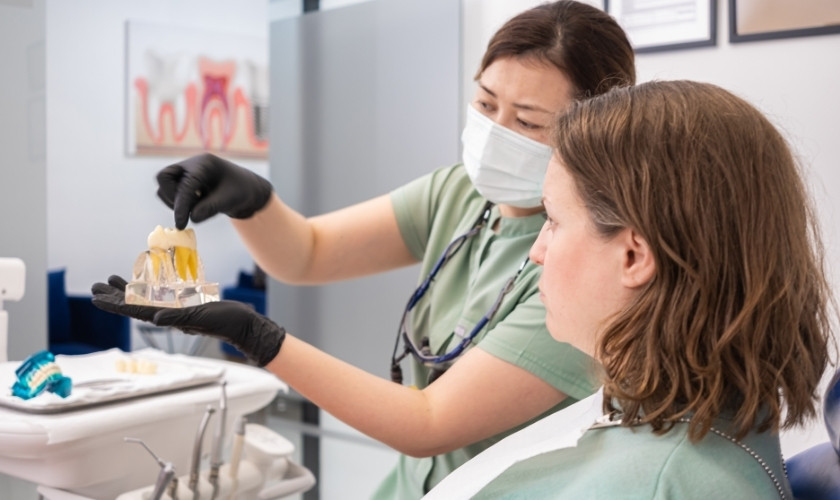
The process starts with a full evaluation of the affected tooth. Your dentist will take X-rays to check the roots and surrounding bone. This helps confirm that a tooth cap is the right solution and that no additional dental treatment is needed before placing one.
If there is any decay, it is removed first. This step is important because placing a cap over the decay would only make things worse over time.
Reshaping the Tooth
Once the tooth is clean and ready, it is reshaped. A small portion of the outer surface is removed to allow the cap to fit properly. The amount removed depends on the type of crown being placed.
Local anesthesia is used for this part of the procedure, so you should not feel pain. You may feel some pressure, but the area will be numb throughout.
Taking an Impression
After reshaping, an impression of the tooth is taken. This gives the dental lab a precise model to use in creating your permanent cap. This restoration is made to match the exact size, shape, and color of your surrounding teeth so it blends in naturally.
Getting a Temporary Crown
While your permanent cap is being made (which usually takes one to two weeks), a temporary cap is placed over the reshaped tooth. This protects the tooth in the meantime.
Some things to keep in mind while wearing a temporary crown:
• Avoid sticky or hard foods that could pull or crack it
• Be gentle when flossing near that tooth
• Some sensitivity to hot and cold is normal during this period
After the Procedure: What to Expect Once It Is Placed
The Permanent Crown Placement Visit
When your permanent cap is ready, you will return to the dental office for placement. The temporary one is removed, and the new one is checked for fit and color match before being permanently cemented in place.
Your dentist will also check your bite to make sure the tooth cap feels comfortable when you close your mouth. Any small adjustments are made at this appointment.
The First Few Days After Placement
It is completely normal to experience some mild sensitivity or soreness for the first few days after your permanent tooth cap is placed. This usually fades on its own.
Here is what many patients notice right after getting their cap-
• Mild sensitivity to hot and cold temperatures
• A slightly different feeling when biting down, which settles within a few days
• Minor soreness around the gum area near the crown
If your bite feels uneven or you notice sharp pain when chewing, contact your dentist. These are easy adjustments that can be made quickly.
Long-Term Care for Your Crown
A well-made dental cap can last 10 to 15 years or longer with proper care. Here are some simple habits that help extend its life:
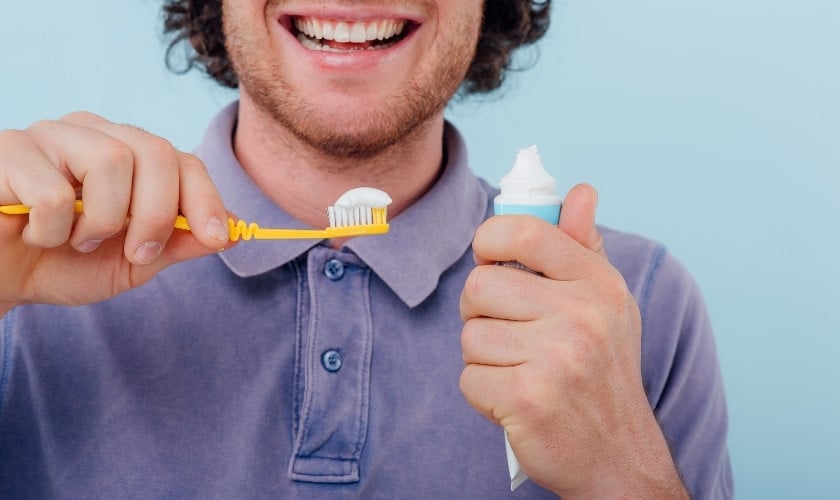
• Brush your teeth twice a day with a soft-bristle toothbrush
• Floss daily, especially around the cap where it meets the gumline
• Avoid chewing on hard objects like ice, pen caps, or hard candy
• If you grind your teeth at night, ask about a night guard to protect both your crown and natural teeth
• Keep up with your regular dental check-ups and cleanings
Lifestyle Of Locals Living In Fort Wayne And Its Impact On Dental Health
People in Fort Wayne and the surrounding communities lead busy lives. From game days at Parkview Field to weekend activities along the Rivergreenway, it is easy to let dental health take a back seat. But a damaged or weakened tooth does not get better on its own.
If you have been putting off dental treatment because you were unsure about the process, this guide hopefully helps you feel more prepared. Crowns are one of the most predictable dental solutions available, and many patients feel relief the moment the permanent cap is in place.
Whether you live near downtown Fort Wayne, on the southwest side, or in a surrounding area like New Haven or Leo-Cedarville, visit our Fort Wayne dental office for a full evaluation and to find out whether a crown is the right option for your tooth.
Ready to Restore Your Smile? Visit Family Dentistry & Aesthetics in Fort Wayne
If you have a damaged tooth or have been told you may need a dental cap, now is a good time to take the next step. A crown is a proven solution that restores the strength and appearance of your tooth, and with the right care, it can last for many years.
At Family Dentistry & Aesthetics, Dr. Gilbert and the team are ready to walk you through every step of the process in a comfortable, caring environment. Located at 4626 W Jefferson Blvd, Fort Wayne, IN 46804, the office serves patients across the Fort Wayne area with restorative and aesthetic dental care.
Call us today at (260) 432-0561 to book an appointment. You can also explore the services available on the website to learn more about how we can help you achieve a healthier, more confident smile.
Frequently Asked Questions
- Does getting a crown hurt?
The reshaping process is done with local anesthesia, so most patients do not feel pain during the procedure. Some mild sensitivity is normal for a few days after placement, but it typically goes away on its own. If discomfort continues, a quick follow-up visit can help resolve it. - How long does a crown last?
With proper care, a crown can last 10 to 15 years or even longer. Regular brushing, flossing, and dental check-ups all play a big role in extending its lifespan. Your dentist can monitor the crown during routine visits. - Will my crown look natural?
Modern crowns are made to closely match the color, shape, and size of your natural teeth. Most people cannot tell the difference. During your appointment, your dentist will work with you to get the color and fit just right. - Can I eat normally after getting a crown?
You should avoid very hard or sticky foods right after placement. Once you are comfortable and any sensitivity has settled, you can generally return to your normal eating habits. Your dentist will give you specific guidelines for your situation. - How do I know if I actually need a crown?
Common signs include a visible crack, pain when chewing, severe tooth sensitivity, or a tooth that has already had a root canal. A proper exam and X-rays are the only way to confirm. Schedule a visit to get a clear answer. - What happens if I wait and do not get the crown?
A tooth that needs a crown will not heal on its own. Leaving it untreated can lead to further damage, infection, or, eventually, tooth loss. Getting the crown done sooner protects both the tooth and your overall oral health.