4626 West Jefferson Blvd. Fort Wayne, Indiana 46804


What Should You Do If You Get A Cavity With Invisalign?

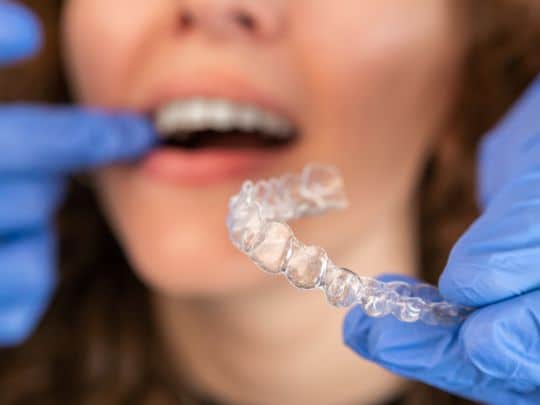
Invisalign has become a popular teeth-straightening option for many people, offering a discreet and comfortable way to straighten your smile. But while clear aligners provide a convenient solution, they also present unique challenges for maintaining oral health. One common question residents of Fort Wayne often ask is: What happens if I develop a cavity while using Invisalign aligners? It’s crucial to manage your oral health throughout treatment to prevent cavities and achieve the best results.
Dr. Thomas M. Gilbert, a highly experienced dentist at Family Dentistry & Aesthetics, is known for providing advanced, patient-focused dental care. He specializes in preventive, restorative, and cosmetic dentistry, helping patients maintain healthy smiles during treatments like Invisalign.
Summit City’s residents enjoy a variety of outdoor activities, whether it’s attending a spring festival or taking a walk along the riverside during the summer months. The last thing you want is for dental issues to interrupt your plans or treatment progress. Here’s everything you need to know about preventing cavities while using Invisalign aligners.
Why Oral Care Is Essential With Clear Aligners?
Clear aligners are removable, giving you the flexibility to eat, drink, and clean your teeth as needed. However, just because the trays are removable doesn’t mean you can skip regular brushing and flossing. In fact, maintaining excellent oral hygiene is even more important during the treatment.
When you wear aligners, food particles and plaque can accumulate around your teeth and under the aligners.
This can increase your risk of cavities, which may interfere with your treatment. It’s essential to brush and floss thoroughly before placing the aligners back in after eating or drinking. Neglecting this can lead to tooth decay, which may be harder to address if left untreated.
How Cavities Impact Your Invisalign Treatment Progress?
Cavities can impact the effectiveness of your treatment. Since the aligners fit snugly over your teeth, untreated decay can compromise their fit, delaying treatment. If the cavity worsens and isn’t treated, the aligners may no longer fit properly, which could result in slower progress or an altered treatment plan.
Recognizing Early Signs Of Cavities With Ongoing Invisalign Treatment
It’s important to recognize the early signs of tooth decay during your teeth straightening treatment to prevent serious issues. Here’s what you should look out for:
- Pain or Sensitivity: If you feel persistent discomfort, especially when eating or drinking, it could be a sign of decay.
- Dark Spots: Dark discoloration on your tooth that doesn’t go away with brushing may indicate a cavity.
- Lingering Symptoms: If you notice symptoms persist despite regular brushing, it’s time to consult your dentist.
What To Do If You Suspect A Cavity?
If you suspect you have a cavity while undergoing Invisalign treatment, it’s crucial to take immediate action. Cavities can form while wearing your aligners, but catching them early can prevent complications from affecting your progress.
- Remove Your Aligners and Check Your Teeth: Start by removing the aligners and checking the area of concern. If you notice dark spots or feel discomfort while brushing, it could indicate a cavity forming.
- Schedule An Appointment: Contact your dentist as soon as possible to schedule a visit. Regular checkups should be part of your routine, even while undergoing dental alignment therapy.
- Discuss Treatment Options: If the decay is minor, your dentist may fill the cavity and restore the tooth. For more advanced decay, your dentist may recommend additional treatment. Be sure to inform your Fort Wayne dentist that you’re using Invisalign so they can adjust your treatment plan accordingly.
Why It’s Important To Contact A Dentist Right Away?
Delaying treatment for a cavity can lead to further complications, such as infection, which might require a root canal or other invasive procedures. If you’re experiencing pain, sensitivity, or changes in the appearance of your tooth, it’s crucial to reach out to a professional immediately. In Fort Wayne, timely care from a qualified dentist will prevent more severe issues and keep your treatment on track.
By acting quickly, your dentist can prevent the spread of infection and ensure that your treatment plan continues smoothly. Don’t let dental concerns disrupt your daily activities or your journey to a better smile.
How To Prevent Future Cavities With Invisible Braces?
Cavities are preventable, even while using clear aligners. By following these tips, you can keep your teeth healthy and avoid setbacks during the procedure:
- Brush and Floss After Every Meal: Brush your teeth for at least two minutes and floss daily to remove food particles stuck between your teeth.
- Clean Your Aligners: Rinse your aligners regularly and clean them with a mild soap solution to prevent bacteria buildup.
- Use Fluoride Toothpaste: Fluoride strengthens your teeth, making them more resistant to decay.
- Avoid Sugary Snacks: Minimize sugary foods and drinks that can contribute to cavities. When you’re not wearing your aligners, try to choose water or sugar-free beverages.
- Wear Your Aligners as Directed: Make sure to wear your aligners for 20–22 hours a day to avoid trapping food between your teeth and the trays.
Can You Get A Filling While Wearing Clear Aligners?
Yes, it’s possible to get a filling during your Invisalign therapy. If a cavity is detected, your dentist will ensure your treatment proceeds smoothly once the necessary dental work is completed. In most cases, the aligners will fit comfortably over the filled tooth once the restoration is done.
How Tooth Decay Affects Your Invisalign Treatment Schedule?
Cavities can slow down your treatment if not addressed promptly. In more serious cases, you might need to take a break from your aligners while your dentist treats the issue. If the cavity is extensive, your dentist may recommend delaying the next set of aligners until the decay is treated and the tooth is fully restored. This ensures that your treatment progresses without complications.
Best Practices For Maintaining Oral Health With Invisalign
Preventing cavities while using invisible braces is key to maintaining oral health throughout your treatment. Here’s how to keep your teeth in top shape:
- Brush Regularly: Make sure to brush after every meal before putting your aligners back in.
- Floss Daily: Floss between your teeth to remove particles that your aligners may not reach.
- Limit Sugary Foods: Reduce your sugar intake to prevent plaque buildup and tooth decay.
Keep Your Invisalign Treatment On Track With Confidence
By practicing good oral hygiene and staying proactive with your dental care, you can keep your dental alignment therapy on track and avoid dental issues like cavities. With regular cleanings, proper aligner maintenance, and timely dental visits, you’ll be well on your way to achieving the smile you’ve always wanted. Fort Wayne residents who take these simple steps can confidently enjoy local events and outdoor activities without worrying about their dental health.
If you suspect a cavity or it’s time for a check-up, don’t hesitate to book an appointment with Family Dentistry & Aesthetics today. Our Invisalign specialist in Fort Wayne will assess your progress and ensure you’re on the right path toward your best smile. Call us at (260) 432-0561 to schedule your appointment and keep your Invisalign journey smooth and worry-free!
Frequently Asked Questions (FAQs)
1. How do I know if my Invisalign treatment is progressing properly?
Your Invisalign provider will monitor your progress through regular check-ups, ensuring your teeth are shifting as planned. If any issues arise, adjustments can be made to keep the treatment on track.
2. Can I drink beverages with my aligners on?
It’s best to remove your aligners before drinking anything other than water to avoid staining or damaging the trays. Beverages like coffee, soda, or juice can affect both the aligners and your teeth.
3. Can Invisalign treat severe misalignment or just mild cases?
Clear aligners can effectively treat mild to moderate alignment issues, including crooked teeth, overbites, and underbites. However, in cases of severe misalignment, your orthodontist may recommend alternative treatment options.
4. What should I do if my aligners don’t fit properly?
If your aligners don’t fit as expected, contact our dental professional provider immediately. They can assess your situation and determine whether you need a new set of aligners or further adjustments.
5. How often is it necessary to change the aligners?
Usually, the trays should be switched every 1 to 2 weeks as instructed by your orthodontist. Each new set of aligners gently shifts your teeth, ensuring gradual, effective progress toward your ideal smile.
6. How long do I need to wear Invisalign aligners each day?
For optimal results, aligners should be worn 20 to 22 hours daily. The more consistently you wear them, the faster your treatment will progress, ensuring you achieve the desired results.
7. Is Invisalign treatment painful?
Teeth straightening with invisible braces may cause some discomfort as your teeth shift, especially when switching to a new set of trays. However, the discomfort is typically mild and should subside after a few days.
8. Can clear aligners affect my speech?
Initially, you may experience a slight lisp when wearing the transparent teeth alignment device. As your mouth adjusts to the new appliance, your speech should return to normal within a few days to a week.