4626 West Jefferson Blvd. Fort Wayne, Indiana 46804


The Right Way To Floss Your Teeth: A Helpful Guide For Fort Wayne Patients

You brush twice a day and still experience bleeding gums or food stuck between your teeth. Sound familiar?
The truth is that brushing alone cannot clean every surface of your teeth. Plaque and bacteria often hide between teeth and just beneath the gumline, where a toothbrush cannot reach. These areas are where many dental problems begin.
Flossing targets those hidden spaces. When performed correctly, it removes trapped debris, protects gum health, and reduces the risk of cavities. Understanding the proper method can make your daily routine far more effective.
Why Cleaning Between Teeth Matters For Oral Health?
Nearly 40% of your tooth surface sits between teeth. A toothbrush cannot fully clean these areas.
When plaque remains between teeth, bacteria begin producing acids. These acids weaken enamel and irritate the gum tissue. Brushing removes plaque from visible surfaces, but bacteria often remain in tight gaps. Over time, this buildup can irritate gum tissue and increase the risk of decay.
Regular interdental cleaning helps reduce plaque accumulation and keeps gums healthy. Many oral health professionals emphasize how to floss teeth correctly because technique plays a major role in preventing gum disease and cavities. Removing debris between teeth also improves breath freshness and supports healthier gum tissue.
How Often Should You Floss Your Teeth?
Most dental professionals recommend cleaning tight spaces between teeth at least once per day. Cleaning between teeth daily removes plaque and food debris that brushing alone cannot reach. Regular flossing helps prevent gum inflammation and lowers the risk of cavities developing between teeth.
How To Choose The Right Tool For Interdental Cleaning?
Not all oral care tools work the same way. Selecting the right product depends on the spacing between your teeth and personal comfort.
Common options include:
- Waxed Floss: This type slides easily between tight teeth.
- Unwaxed Floss: It provides a slightly stronger grip for plaque removal.
- Dental Tape: Wider and flatter than traditional ones, making it comfortable for larger spaces.
- Floss Picks: Convenient for quick cleaning, especially when traveling.
- Water Flossers: These devices use pressurized water to remove debris and bacteria.
If you have braces, bridges, or implants, specialized tools like floss threaders may be helpful. Patients often search for the best flossing technique for healthy gums because using the correct tool and method ensures effective plaque removal.
Is It Better To Floss Before Or After Brushing?
Flossing before brushing can help loosen plaque and food particles between teeth. Once debris is removed, brushing helps wash away bacteria and allows fluoride toothpaste to reach more surfaces. However, the most important factor is consistently doing the process each day.
A Step-by-Step Guide To Cleaning Between Teeth
Many people rush through this part of their oral hygiene routine. A careful approach helps remove debris without damaging gum tissue.
Follow these steps for effective cleaning:
1. Start With Enough String
Cut about 18 inches of your flosser. Wrap most of it around one middle finger and the remainder around the opposite hand.
2. Hold The Thread Securely
Use your thumbs and index fingers to guide the appliance. Leave about one inch of string between your fingers.
3. Gently Slide Between Teeth
Move it slowly between teeth using a gentle sawing motion. Avoid snapping it into the gums.
4. Curve The Floss Around The Tooth
Form a “C” shape around one tooth and slide the floss under the gumline. This helps remove hidden plaque.
5. Move Up And Down Carefully
Glide the floss against the tooth surface several times to remove plaque and debris.
6. Repeat For Each Tooth
Use a clean section of floss as you move from tooth to tooth.
Patients who want to maintain strong gum health often research how to floss without hurting their gums, as a gentle technique helps prevent irritation.
Are Water Flossers As Effective As Traditional Floss?
Water flossers can help remove debris between teeth, especially for individuals with braces, implants, or dental bridges. However, traditional ones may be more effective for physically scraping plaque from tight spaces between teeth.
What Are The Common Mistakes People Make?
Even individuals who clean between their teeth regularly may unknowingly make mistakes. Correcting these habits improves oral hygiene results. Some common mistakes include:
- Rushing through the process.
- Snapping the floss into the gum tissue.
- Skipping the back teeth.
- Using the same section of floss repeatedly.
- Cleaning only once per week.
Many professionals recommend daily cleaning between teeth. Consistency reduces plaque buildup and supports long-term oral health.
How Lifestyle And Seasons Influence Oral Hygiene?
Maintaining oral health often depends on daily habits. During warm summer months, many families enjoy outdoor festivals, sports events, and seasonal gatherings.
In places like Fort Wayne, community events and summer activities often include foods such as barbecue, corn on the cob, and sweet treats. These foods can easily become trapped between teeth. Regular interdental cleaning helps remove debris after meals and protects gum health. Whether attending outdoor concerts or enjoying time at local parks, maintaining oral hygiene helps keep your smile comfortable.
Residents across Summit City often prioritize preventive care so they can continue enjoying everyday activities with confidence.
Signs You May Need To Improve Your Flossing Routine
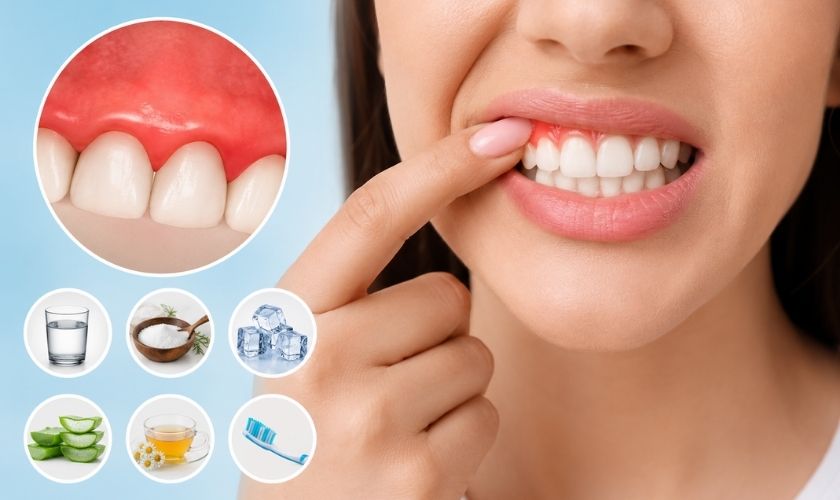
Healthy gums should look pink and feel firm. When plaque builds up between teeth, the gums may show early signs of irritation. Watch for these symptoms:
- Bleeding when flossing.
- Swollen or red gums.
- Persistent bad breath.
- Food is frequently stuck between teeth.
- Gum tenderness.
These signs may indicate plaque buildup or early gum disease, and a visit to our dental office in Fort Wayne could be helpful. Addressing the issue early with our team can prevent more serious complications later.
Protect Your Oral Health With Professional Care
Daily brushing and flossing are essential, but professional dental care plays an important role as well. Routine dental visits allow professionals to remove hardened plaque and monitor your gum health. During your professional cleaning, our team will also demonstrate proper flossing techniques and recommend products suited to your smile.
If you have questions about your oral hygiene routine or need guidance on proper interdental cleaning, Family Dentistry & Aesthetics is here to help.
Healthy gums and teeth start with the right daily habits. If it’s been a while since your last oral checkup, book an appointment or call us at (260) 432-0561 to schedule your visit. Our specialists are ready to guide you in maintaining a healthier smile for a lifetime.
Frequently Asked Questions (FAQs)
Q. Should you floss before or after brushing your teeth?
Many dental professionals recommend flossing before brushing to loosen plaque and food debris between teeth. Brushing afterward helps remove those particles and allows fluoride to reach those areas more effectively.
Q. How often should you floss your teeth?
Most oral health professionals suggest flossing at least once every day. Daily interdental cleaning removes plaque before it hardens into tartar and helps prevent gum inflammation and tooth decay.
Q. Is it normal for gums to bleed when you start flossing?
Mild bleeding can occur when someone begins flossing after long periods without it. This usually happens because the gums are inflamed, and consistent, gentle flossing often reduces bleeding over time.
Q. What happens if you never floss your teeth?
Skipping flossing allows plaque and food particles to accumulate between teeth. Over time, this buildup increases the risk of cavities, gum disease, and persistent bad breath.
Q. Can flossing help improve bad breath?
Yes, flossing removes trapped food and bacteria between teeth that brushing often misses. Eliminating these odor-producing particles can significantly improve breath freshness and overall oral hygiene.