4626 West Jefferson Blvd. Fort Wayne, Indiana 46804


How to Get Rid of Cavities?

Cavities sneak up faster than most of us expect. With winter in full swing across Fort Wayne, families are sipping more hot cocoa, enjoying warm holiday treats, and spending more time indoors, which often means snacking happens more frequently than usual. Between work routines, school mornings in the cold, and cozy evenings with comfort foods, it’s easy to brush late or forget flossing after a late-night dessert.
While cavities are a common dental issue in the U.S., affecting nearly 92% of adults aged 20 to 64, there are ways to fight back naturally and prevent further damage. The good news is that with proper care, certain cavities can even heal without the need for fillings. In this blog, we’ll explore how to cure cavities naturally and offer simple yet effective strategies to keep your teeth healthy.
What Is a Cavity Exactly, and How Does It Begin?
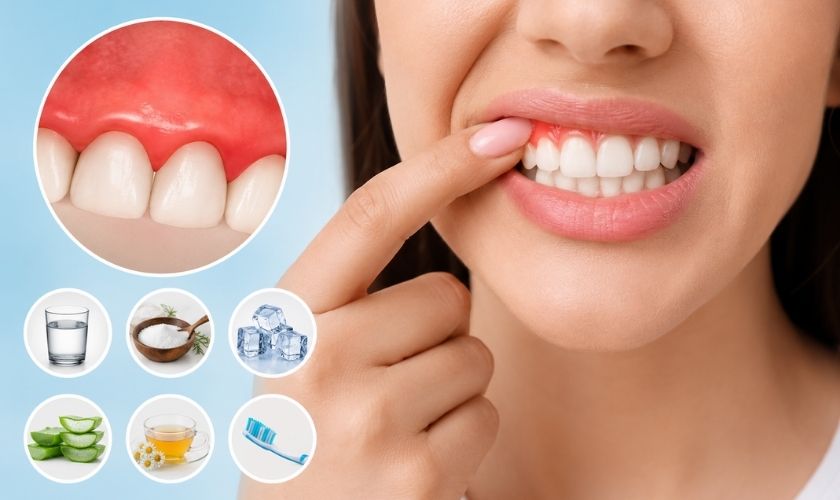
A cavity is a small hole in your tooth caused by bacterial acids. It begins with demineralization, when plaque buildup breaks down enamel. Early decay looks like chalky white spots before a hole forms, and this is the stage where you may be able to cure cavities naturally with the right approach.
Common reasons cavities form in our area include:
- Sugary beverages during TinCaps baseball games
- Frequent snacking on sweet corn dishes or local café pastries
- Sipping soft drinks throughout work hours
- Reduced saliva flow during dry Indiana winters
- inconsistent brushing or flossing routines
The early warning signs often appear subtly: mild sensitivity, occasional discomfort when chewing, or a small white chalky patch. Ignore it long enough, and it becomes a physical cavity requiring dental treatment.
Can You Get Rid of Cavities at Home?
Yes, if the cavity hasn’t turned into a hole yet. Early decay can be reversed with remineralization, the natural process where minerals rebuild weakened enamel. Once the surface breaks, no home remedy will close that hole. You’ll need professional care.
Think of early decay like frost damage on a Fort Wayne sidewalk. Patch it early, and it disappears. Leave it through rainy seasons and freezes, and you get potholes that need repair, not DIY fixes.
Natural Ways to Stop Early Decay & Support Healing
For early-stage weakening, not deep cavities, you can take steps that strengthen enamel and prevent worsening. Here are effective science-supported methods to help control decay before treatment is needed.
Brush Twice Daily with Fluoride Toothpaste
Fluoride enhances mineral absorption in enamel. Since many homes in Fort Wayne rely on bottled or filtered water, fluoride toothpaste becomes even more essential. Brush gently in circular motions for two minutes, and don’t skip the gumline.
Floss Every Day
Most cavities start between teeth where bristles can’t reach. A quick 30-second flossing habit greatly reduces risk, especially after popcorn nights at home or school lunch snacks that get wedged in molars.
Reduce Sugar Frequency, Not Just Amount
It’s not just sweets, it’s how often we eat them. Constant snacking keeps acid levels high. Try pairing treats with meals instead of grazing throughout the day.
Common decay triggers in Fort Wayne include:
- Soda and sweet tea sipped over hours
- Caramel corn at Parkview Field
- Sticky ice cream toppings during weekend outings
Drink water right after sweet foods to lower mouth acidity.
Strengthen Your Diet for Enamel Health
What you eat matters as much as brushing. Choose remineralizing foods like:
- Cheese, yogurt, milk (rich in calcium)
- Almonds, leafy greens
- Apples, carrots, and celery for natural scrubbing
- Vitamin D foods are especially important in cloudy Indiana winters
Healthy saliva flow and minerals help get rid of a cavity early, before it turns into a permanent one.
Drink Plenty of Water
Carry a water bottle when walking at Headwaters Park, watching the Komets play, or visiting the Fort Wayne Children’s Zoo. Water rinses away food particles and stimulates saliva – your mouth’s natural shield against decay.
Chew Sugar-Free Xylitol Gum
After meals, gum increases saliva and helps neutralize acids. Xylitol also reduces harmful bacteria. This is helpful for teens during school hours or adults between work meetings.
Warm Saltwater Rinse for Gum Support
Saltwater is an easy oral-care booster; mix half a teaspoon of salt in warm water and swish for 30 seconds. It won’t remove cavities, but it reduces bacteria and inflammation.
What if the Cavity Is Already a Hole?
Now here’s the part many people don’t realize. Once a cavity becomes a hole, no home remedy, diet change, or oil pulling trick can reverse it. At this stage, the decay has moved past the enamel and is actively damaging the tooth, and the only way to stop it is through professional dental intervention. You can slow it… But you can’t erase it yourself.
A dentist must remove the decay and rebuild the tooth so bacteria can’t continue eating through it. Without professional help, the cavity keeps growing deeper, like a pothole that expands every time it rains, eventually causing pain, infection, and even tooth loss. The good news? Restoring a tooth is usually quick, comfortable, and far easier than most people expect. Many patients walk into the office nervous and walk out wondering why they waited so long.
If you’re unsure whether your cavity can still be reversed naturally or if it’s already past the early point, a short dental visit gives you answers you can trust. Think of it as catching a problem early before it becomes urgent.
A Stronger Smile Begins Right Here
Getting rid of a cavity depends entirely on the stage it’s in. Early decay may reverse if the enamel is still intact. Deep decay cannot. However, with consistent oral care, mindful eating, and timely dental visits, cavities become something you can control instead of something that controls you.
Whether you’re trying to cure cavities naturally, want guidance on how to heal a cavity without fillings, or you’re already seeing signs of decay, the smartest move is to visit our dental clinic near you for a quick evaluation. Our team at Family Dentistry & Aesthetics makes the process comfortable, calm, and reassuring – no judgment, just support and solutions. Schedule a visit with our trusted dentist and take the first step toward a stronger, healthier smile. A simple visit today can save you from bigger problems tomorrow.
Frequently Asked Questions
Can I heal a cavity without a filling?
In the early stages, cavities can often be healed naturally with proper oral care and a healthy diet. However, larger cavities may require fillings to restore the tooth’s function.
What foods help prevent cavities?
Foods rich in calcium, like dairy products, and foods high in antioxidants, such as berries and leafy greens, can help protect your teeth from cavities and promote healthy gums.
How can I remineralize my teeth?
Using fluoride toothpaste, consuming foods high in calcium and vitamin D, and drinking plenty of water can all help remineralize tooth enamel and prevent cavities.
Is oil pulling effective for cavity prevention?
Yes, oil pulling with coconut oil may help reduce bacteria and plaque in the mouth, contributing to better oral health and a reduced risk of cavities.
What is the typical duration for a cavity to heal naturally?
The healing process for a cavity can vary, but early-stage cavities can begin to remineralize within a few weeks with proper care, such as using fluoride toothpaste and a balanced diet.
Can cavities come back after being healed naturally?
While remineralization can stop early cavities from progressing, it’s essential to maintain good oral hygiene to prevent the cavity from returning or worsening.
How often should I visit the dentist for cavity checks?
It’s recommended to visit your dentist at least twice a year for regular checkups and cleanings. This helps identify and treat cavities early before they require more invasive treatments.