4626 West Jefferson Blvd. Fort Wayne, Indiana 46804


How to Avoid Dental Implant Failure & Complications
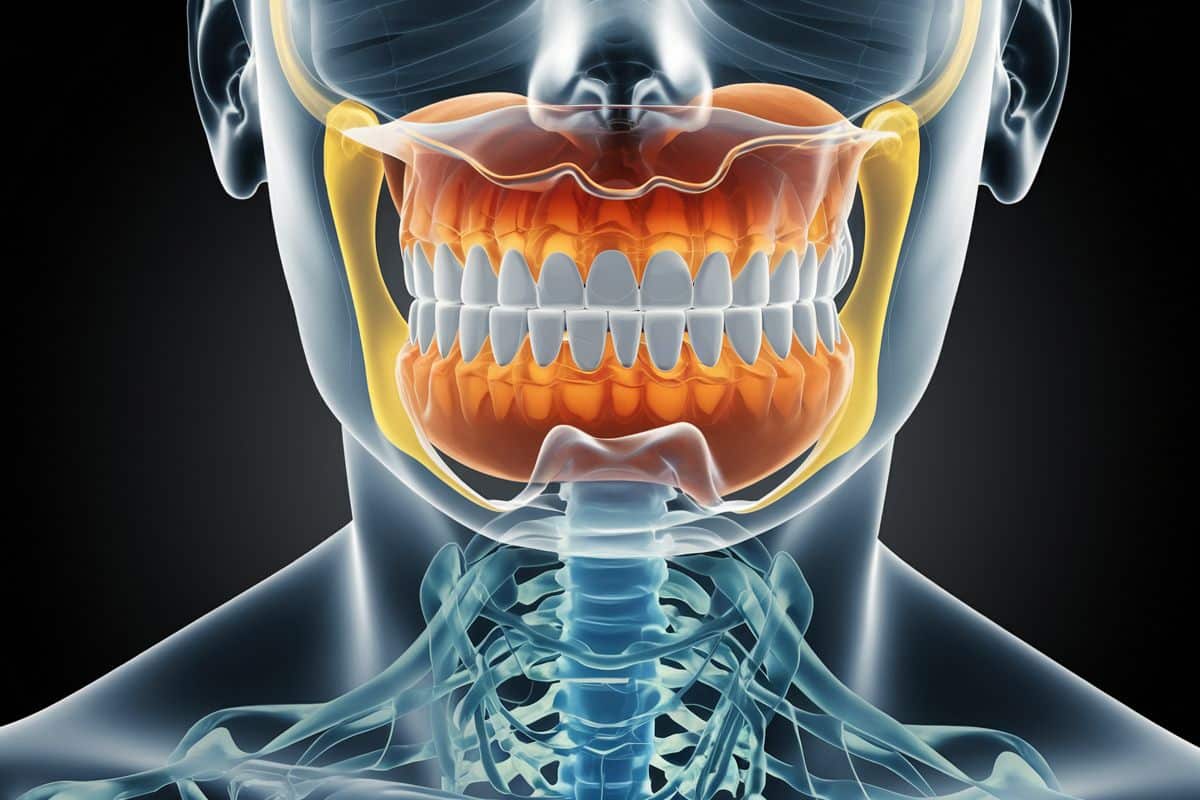
Dental implants, a reliable and long-lasting solution for replacing missing teeth, can last a lifetime with proper care. However, some patients experience implant failure due to avoidable complications. Understanding the risks and taking the appropriate precautions can help ensure a successful outcome, preserving the benefits of dental implants for you.
Preventing Dental Implant Failure: Causes & Solutions
Common Causes of Dental Implant Failure
Several factors can contribute to dental implant failure. Knowing these risks can help you make informed decisions about your oral health.
Poor Oral Hygiene
Just like natural teeth, dental implants require consistent oral hygiene. Failing to brush and floss regularly can lead to infections such as peri-implantitis, which affects the gum and bone around the implant. Over time, this can weaken the support structure and cause implant failure.
Insufficient Bone Density
Dental implants need a strong foundation to integrate properly. If the jawbone lacks sufficient density, the implant may not fuse correctly. A bone graft may be necessary to strengthen the area before the procedure.
Smoking and Tobacco Use
Tobacco use significantly reduces the success rate of dental implants. Smoking restricts blood flow to the gums, slowing the healing process and increasing the risk of infection. Patients considering dental implants in Fort Wayne, IN, should quit smoking for better results.
Underlying Health Conditions
Certain medical conditions, such as diabetes and autoimmune diseases, can affect healing and increase the chances of implant failure. It’s important to discuss your medical history with your dentist to determine if additional precautions are needed.
How to Prevent Dental Implant Complications
Taking proactive steps before and after the procedure can enhance the longevity of your dental implants.
Choose a Skilled and Experienced Dentist
The expertise of your dentist plays a crucial role in the success of your dental implant. An experienced dental professional will evaluate your bone health, discuss any underlying conditions, and use advanced techniques to ensure optimal placement, thereby enhancing the longevity of your dental implants.
Maintain Good Oral Hygiene Habits
Brushing twice daily, flossing daily, and using an antibacterial mouthwash can prevent plaque buildup around the implant. Regular dental checkups allow your dentist to monitor your implant’s health and address any concerns early.
Follow Post-Surgery Instructions
Following post-operative care instructions is essential after the implant procedure. Avoid hard foods, brush gently, and take prescribed medications to prevent infection and promote healing.
Avoid Harmful Habits
Certain habits, such as grinding teeth (bruxism) or using your teeth as tools, can put excessive pressure on your dental implant. Wearing a nightguard and being mindful of your oral habits can help protect your investment.
Cost of Fixing a Fallen-Out Dental Implant
The cost of fixing a fallen-out dental implant depends on several factors, including the need for additional procedures such as bone grafting or implant replacement. Your dentist will provide a detailed evaluation and discuss the best action.
When to Seek Professional Help
Contact your dentist immediately if you experience persistent pain, swelling, or a loose implant. Early intervention can prevent minor issues from turning into serious complications.
Dental implants are an excellent solution for restoring your smile but require proper care and attention. You can enjoy long-lasting results by choosing a reputable dental provider and maintaining good oral hygiene. If you’re considering dental implants in Fort Wayne, Family Dentistry & Aesthetics is here to help. Our dentists specialize in high-quality implant procedures tailored to your needs. Schedule a consultation today and take the first step toward a healthier, more confident smile.