4626 West Jefferson Blvd. Fort Wayne, Indiana 46804


How Long Does a Dental Filling Take?
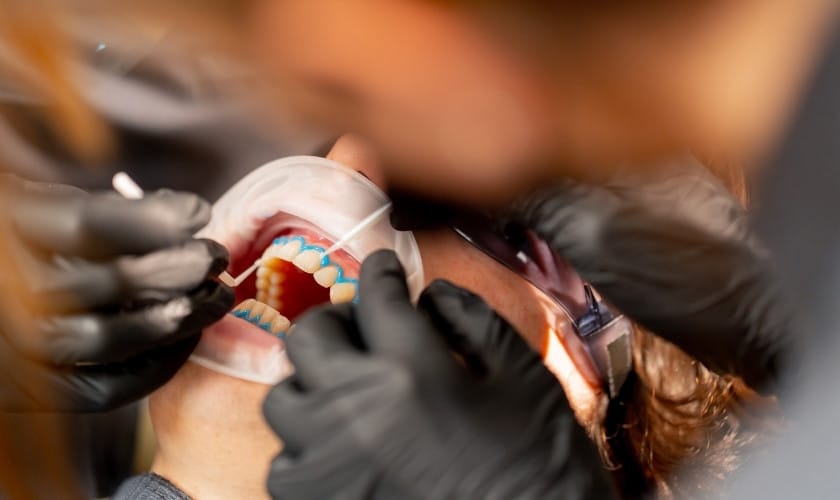
When you hear that you need a filling, it is natural to wonder how much time you will be spending in the dental chair. Between work, school runs, and everything else on your plate in Fort Wayne, finding time for dental treatment can feel stressful.
The good news is that most dental fillings are quick, comfortable, and much easier than many patients expect. In many cases, you can be in and out of a Fort Wayne dental office in under an hour, often with minimal disruption to your day.
Average time for a dental filling
For a typical cavity, the actual filling procedure usually takes about:
- 20–30 minutes for a small, simple filling
- 30–45 minutes for a medium cavity
- 45–60 minutes for a large or multiple-surface filling
If you’re having more than one tooth filled in the same visit, our dental office may need closer to an hour or slightly more, depending on the number and location of the cavities.
When you include check-in, a quick exam, X‑rays (if needed), and check-out time, plan on being at the dental office for around 45–75 minutes total.
Step-by-step: What happens during a filling?
Knowing the process helps you understand why a filling takes the time it does. While every office has its own flow, most dental practices in Fort Wayne follow a similar step-by-step process.
- Check-in and brief evaluation
You’ll check in at the front desk, update any paperwork, and share your concerns. The dental assistant will take you back to the treatment room and confirm which tooth (or teeth) needs attention. If it’s been a while, your dentist may also take X‑rays. - Numbing the tooth
To keep you comfortable, the dentist applies a numbing gel and then gives a local anesthetic injection. This part only takes a few minutes. The team will wait a short time to make sure your tooth and the surrounding area are fully numb before starting. - Removing the decay
Once you’re numb, the dentist uses a dental handpiece (drill) and special instruments to gently remove the decayed portion of the tooth. You may feel vibration and hear sounds, but you shouldn’t feel pain. This step is often the most time‑variable: a small cavity can be cleaned out in minutes, while a deeper cavity takes a bit longer. - Cleaning and preparing the tooth
After removing decay, the dentist cleans and shapes the area so the filling material will bond properly. The tooth is dried and isolated from saliva, often using cotton rolls or a small rubber dam. - Placing the filling material
Most Fort Wayne practices now use tooth-colored composite fillings. The dentist places the material in thin layers, shaping it carefully. Each layer is hardened with a special curing light, which only takes seconds per layer. - Shaping and polishing
After the cavity is filled, the dentist shapes the filling so it matches your natural bite. You’ll be asked to gently bite down on “carbon paper” (articulating paper) to check your bite. Finally, the filling is smoothed and polished so it feels natural and comfortable. - Final check and instructions
The dentist or assistant will review what was done, answer questions, and give you aftercare instructions. You’ll then stop by the front desk to schedule any follow‑up or preventive care visits.
What affects how long a filling takes?
Not every filling is the same. A few key factors influence how long your appointment will last:
- Size of the cavity
Small cavities that are caught early are faster to treat. Larger or deeper cavities take more time because the dentist must remove more decay and shape a bigger area. - Location of the tooth
Front teeth (incisors and canines) are easier to access and often quicker to fill. Back teeth (molars), especially upper molars, can be trickier because of angles and limited space, which can add a few extra minutes. - Number of teeth treated
Fixing two or three small cavities in one visit may still be efficient, but it will lengthen your overall chair time. Many Fort Wayne patients prefer getting multiple fillings done in one sitting to avoid extra trips. - Type of filling material
Composite (tooth-colored) fillings are common today. They look great and bond well, but may take slightly more time than traditional silver (amalgam) fillings because they are placed in layers and cured with a light. - Your comfort and anxiety level
If you feel nervous, your dentist may go more slowly, check in with you often, or use calming techniques or sedation options, which can add a little time but make the visit more pleasant. - Additional procedures
If the decay is very deep, your dentist might need to place a liner or base to protect the nerve, or recommend a crown instead of a standard filling. These situations can extend the appointment.
Does a dental filling hurt?
Most patients in Fort Wayne are surprised by how easy fillings feel with modern dentistry. With an effective local anesthetic, you should feel pressure and vibration but not sharp pain. You might notice:
- A little pinch when the anesthetic is given
- Some pressure or a “tugging” sensation as decay is removed
- Mild soreness or sensitivity after the numbness wears off
Any post‑procedure sensitivity usually fades within a few days. Over‑the‑counter pain relievers are often enough if you feel discomfort. If you ever feel discomfort during the procedure, let your dentist know right away—your comfort is a priority.
How long will I be numb after a filling?
Numbness from local anesthetic typically lasts:
- About 1–3 hours in most patients
- Sometimes a bit longer for lower back teeth due to the type of injection
During this time, be careful not to bite your cheek, tongue, or lip. Many Fort Wayne parents schedule kids’ fillings earlier in the day so the numbness wears off before evening meals and activities.
You can usually eat once you have normal feeling back, though your dentist may advise you to avoid very hard or sticky foods on that side for the rest of the day.
When can I eat or go back to work?
In most cases, you can return to work, school, or your normal schedule immediately after a filling. Many people in Fort Wayne schedule fillings over lunch or right after work and go on with their day.
General guidelines:
- Work or school: You can usually resume right away, as long as you feel okay.
- Eating: Wait until numbness wears off to avoid accidental bites. Start with softer foods if your tooth feels a bit sensitive.
- Exercise: Light to moderate activity is usually fine the same day unless your dentist advises otherwise.
Why you shouldn’t delay a filling
It’s tempting to put off a filling if the tooth doesn’t hurt much. However, cavities never heal on their own. Delaying treatment can lead to:
- Bigger cavities that require more time and expense
- The need for a crown or root canal instead of a simple filling
- Sudden toothaches or infections at inconvenient times
Catching and treating decay early keeps your appointment shorter, your cost lower, and your smile healthier.
If you’ve been postponing a recommended filling, consider using a quieter window in your Fort Wayne schedule – like a slower work week or a free morning – to get it done before it turns into a dental emergency.
Frequently Asked Question
1. How long does a typical dental filling appointment take?
Most filling appointments in Fort Wayne take about 45–60 minutes from check‑in to check‑out. The actual drilling and filling portion is often only 20–40 minutes, depending on the size and location of the cavity.
2. Can I get multiple fillings done in one visit?
Yes. Many dentists prefer to treat multiple small cavities in one visit. This can extend your appointment time slightly, but it saves you from making several separate trips. Your dentist will let you know how long to plan based on how many teeth need treatment.
3. Will I be able to drive myself home after a filling?
In most cases, yes. A standard filling with local anesthetic does not affect your ability to drive. As long as you feel comfortable and alert, you can typically drive yourself home or back to work. If any type of sedation is used, you may need someone to drive you.
4. How long does a filling last?
With good oral hygiene and regular check‑ups, composite fillings can often last 7–10 years or more, and sometimes even longer. Your dentist will monitor your fillings at each exam and let you know if any need repair or replacement.
5. Is a filling always the right treatment for a cavity?
Not always. Very tiny spots of early decay may sometimes be monitored or treated with fluoride and improved home care. On the other hand, very large or deep cavities may need a crown or root canal therapy instead of a basic filling. Your dentist will recommend the option that best protects your tooth long term.