4626 West Jefferson Blvd. Fort Wayne, Indiana 46804


Can Veneers Be Whitened? What You Need to Know
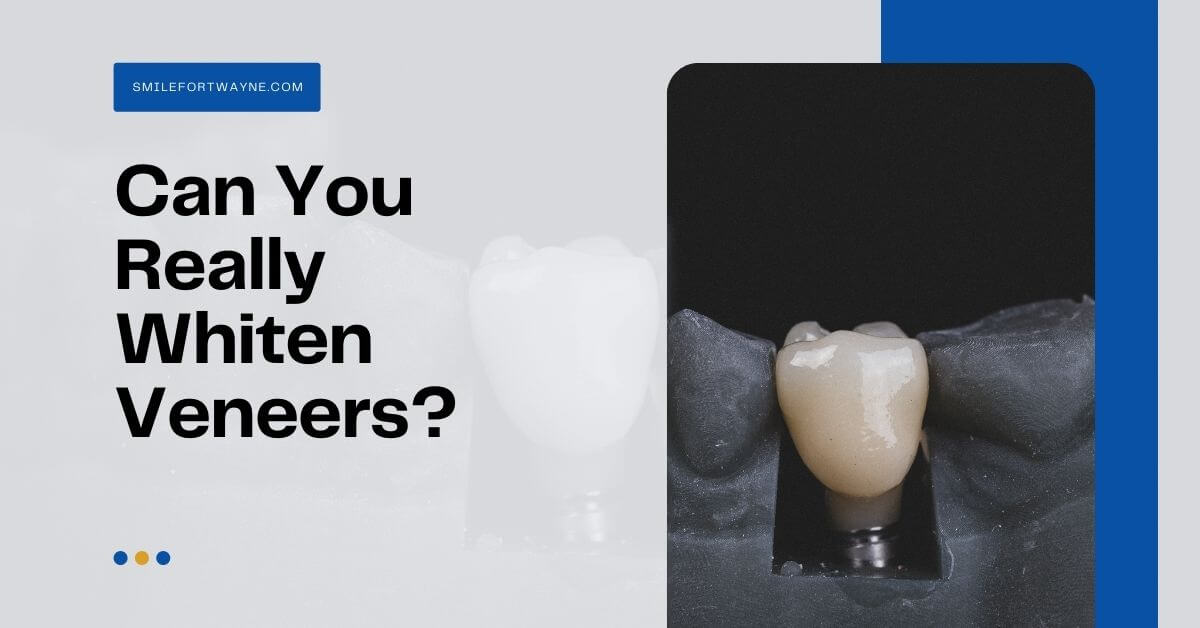
A bright, confident smile is something many people strive for, and dental veneers are one of the most popular cosmetic solutions for achieving it. However, if you’ve had veneers for a while, you may wonder whether they can be whitened like natural teeth. Understanding how veneers respond to whitening treatments can help you maintain a beautiful smile for years to come.
At Family Dentistry & Aesthetics, we often answer questions from patients in Fort Wayne who want to keep their smiles looking fresh and vibrant. If you’re considering veneers or already have them, here’s everything you should know.
Can Dental Veneers Be Whitened?
The simple answer is no. Dental veneers cannot be whitened using traditional whitening products or professional bleaching treatments. Veneers are typically made from porcelain or composite resin, materials designed to resist staining while maintaining their original shade.
Unlike natural tooth enamel, veneers do not contain microscopic pores that absorb whitening agents. As a result, whitening gels and strips will not change the color of your veneers.
Why Do Veneers Look Discolored?
Although porcelain veneers resist stains better than natural teeth, they can sometimes appear darker over time. Common reasons include:
- Natural teeth around the veneers becoming stained.
- Aging dental bonding material near the veneer edges.
- Surface wear on older composite veneers.
- Plaque and tartar buildup creating a dull appearance.
- Changes in surrounding teeth that make veneers appear mismatched.
In many cases, the veneers themselves haven’t changed color – the surrounding teeth have.
Can Professional Cleaning Help?
Yes. Professional dental cleanings remove plaque, tartar, and surface stains that may dull your smile. While cleaning won’t lighten the veneer itself, it can restore its natural shine and improve the overall appearance of your smile.
Routine cleanings also help extend the lifespan of your veneers by keeping your gums and natural teeth healthy.
What If My Natural Teeth Become Whiter?
Many patients whiten their natural teeth after getting veneers and notice that the veneers no longer match.
This is why dentists often recommend whitening your natural teeth before getting veneers. The veneers are then custom-made to match your brightest desired tooth shade.
If your veneers already appear darker than your surrounding teeth, replacing them may be the best cosmetic solution.
How to Keep Veneers Looking Bright
While whitening products won’t work on veneers, proper care can help maintain their appearance for many years.
Here are some helpful tips:
- Brush twice daily using a non-abrasive toothpaste.
- Floss every day to protect your gums.
- Limit coffee, tea, red wine, and tobacco use.
- Visit your dentist for routine cleanings and exams.
- Wear a nightguard if you grind your teeth.
- Avoid using highly abrasive whitening toothpastes.
These habits help preserve both your veneers and your natural teeth.
Are Whitening Toothpastes Safe for Veneers?
Most whitening toothpastes rely on mild abrasives rather than bleaching ingredients. While they’re generally safe in moderation, highly abrasive formulas may gradually dull the polished surface of veneers.
Ask your dentist to recommend products that are safe for cosmetic restorations.
When Should Veneers Be Replaced?
Porcelain veneers typically last 10 to 15 years or longer with proper care. Replacement may be recommended if you notice:
- Chips or cracks
- Loose veneers
- Significant wear
- Gum recession exposing margins
- Noticeable color mismatch with surrounding teeth
Modern veneer materials offer natural aesthetics and durability, making replacement an excellent option when needed.
Can Whitening Treatments Damage Veneers?
Professional whitening treatments generally won’t damage porcelain veneers, but they also won’t change their shade. The whitening gel simply has no effect on porcelain or composite materials.
For this reason, it’s important to discuss cosmetic goals with your dentist before beginning any whitening treatment.
The Best Way to Maintain a Bright Smile
The key to long-lasting whitening results is caring for your natural teeth while protecting your cosmetic restorations. A personalized dental care routine, combined with regular professional cleanings, helps your smile remain attractive for years.
If you’re unhappy with the appearance of older veneers, replacing them is often a more effective option than attempting to whiten them.
Patients looking for cosmetic dental guidance in Fort Wayne are welcome to visit our dental office for an evaluation. Our experienced team at Family Dentistry & Aesthetics can recommend the best solution based on your smile goals. To schedule an appointment, call (260) 432-0561.
Frequently Asked Questions
1. Can whitening strips whiten veneers?
No. Whitening strips only affect natural tooth enamel. Porcelain and composite veneers do not respond to bleaching ingredients, so their color remains unchanged after treatment.
2. Why do my veneers look yellow?
Veneers may appear yellow if surrounding natural teeth have darkened, plaque has accumulated, or the bonding material has aged, even though the porcelain itself resists stains.
3. Can a dentist polish stained veneers?
Yes. Professional polishing can remove surface deposits and restore the shine of veneers, making them appear cleaner and brighter without altering their original shade.
4. Should I whiten my teeth before getting veneers?
Yes. Whitening natural teeth first allows your dentist to match the veneers to your preferred shade, helping create a more consistent and natural-looking smile.
5. How long do porcelain veneers stay white?
Porcelain veneers typically maintain their color for many years because they resist staining far better than natural enamel when cared for with good oral hygiene.
6. Can coffee stain dental veneers?
Porcelain veneers resist coffee stains well, but heavy consumption may cause slight surface discoloration over time, especially around veneer edges or bonding materials.
7. Is replacing veneers the only way to change their color?
Yes. Once veneers are bonded, their shade cannot be lightened with whitening treatments. Replacing them is the standard solution for achieving a different color.