4626 West Jefferson Blvd. Fort Wayne, Indiana 46804


Why Are My Teeth Still Yellow After Whitening?
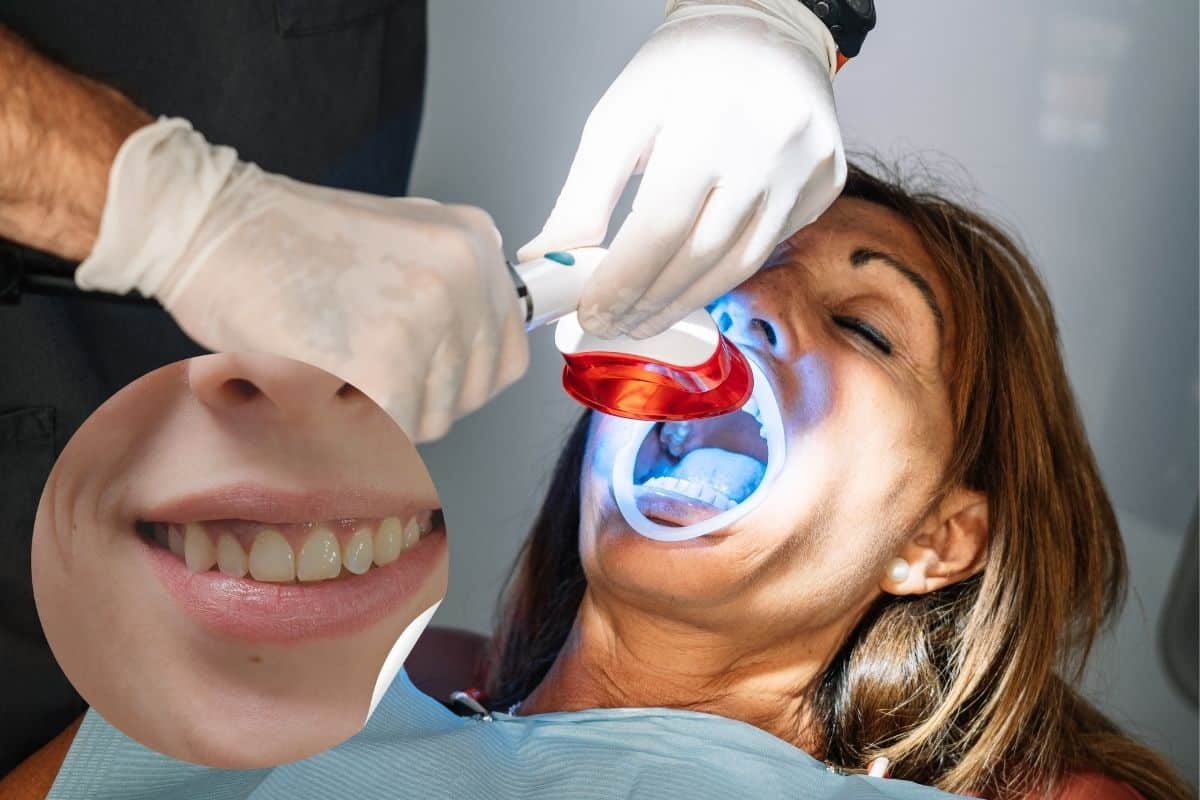
You’re not alone. It’s a common experience that many people share. The truth is, teeth whitening can make a big difference, but several factors influence how white your teeth become.
One of the most common concerns we address at our dental office in Fort Wayne, IN, is the persistence of yellowing after teeth whitening. Let’s explore the reasons behind this and potential solutions.
Professional Teeth Whitening has brightened countless smiles, but managing expectations is essential. While whitening can effectively remove surface stains, it may not be as effective for deeper discoloration, necessitating a different approach.
Reasons Teeth Stay Yellow After Whitening
Stubborn Stains Below the Surface
Whitening treatments target stains from coffee, tea, wine, or smoking. However, whitening alone may not erase that deeper shade if your teeth are naturally darker because of genetics or age. According to the National Institute of Dental and Craniofacial Research, enamel thins over time, making the yellow dentin beneath more visible. That’s why older adults often notice their teeth don’t whiten as much as they’d like.
Plaque and Tartar Buildup
Even after whitening, teeth coated with tartar or hardened plaque can still look yellow. A sticky film filled with bacteria can calcify on the enamel, giving teeth a dull look. That’s why routine cleaning is crucial before and after whitening. A healthy smile always starts with good oral hygiene habits at home and professional cleanings at your dentist’s office.
Dental Restorations That Don’t Change Color
Whitening only works on natural enamel. If you have crowns, veneers, or fillings in the front of your mouth, they’ll stay the same shade. This can create uneven results. Our experienced cosmetic dentist can guide you on options like replacing restorations or blending them to match your newly whitened teeth.
Certain Oral Health Issues
Cavities, gum disease, or damaged fillings can interfere with whitening. Whitening gels are powerful, but the treatment can feel uncomfortable and less effective if your teeth aren’t healthy. Dentists often recommend treating decay or gum problems first before whitening, which ensures you get both safe and long-lasting results.
Lifestyle Habits That Keep Stains Coming Back
Even after whitening, drinking dark sodas, coffee, or red wine can quickly bring back stains. Smoking is another culprit. The American Dental Association notes that tobacco not only stains teeth but also increases the risk of gum disease and oral cancer. Cutting back on these habits makes a huge difference if you want your whitening to last.
What to Do If Whitening Didn’t Work
Don’t give up if you’ve already had whitening and aren’t happy with the results. Modern dentistry offers alternatives like veneers, bonding, or micro-abrasion for stubborn discoloration. These cosmetic options go beyond surface stains and can completely transform your smile.
Keeping Your Smile Bright
Whitening is not a one-time fix. Maintaining results requires your daily care and lifestyle choices. By brushing twice daily, flossing, using whitening toothpaste, and scheduling touch-up treatments when needed, you can actively contribute to the brightness of your smile.