4626 West Jefferson Blvd. Fort Wayne, Indiana 46804


Signs You Might Need a Dental Crown Right Now
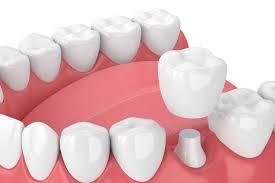
Dental crowns treat various dental conditions. The main reason would be that the tooth it covers is not useful but doesn’t need extraction. Your dentist may recommend one with other dental treatments like a root canal or dental implant. Read on to learn more about why your dentist may recommend one.
When do dentists recommend dental crowns?
Your dentist will strive to save your teeth. And that is when a dental crown helps to retain the tooth’s integrity. It is perfect for decayed, cracked, or chipped teeth or after a root canal replacement surgery.
1. Tooth decay
Crown replacement is often resorted to when too much of a tooth is decayed and compromised. It is useful when the cavity is too large to fill, but your dentist must remove the bacteria and seal the hole. The crown seals the cavity and reinforces the tooth remnants.
2. Cracked or chipped teeth
Sometimes an accident like a fall can leave you with cracked or chipped teeth. While chips do not harm your tooth health, cracks and fissures do. This is because even a small fissure is enough for food and bacteria to enter the tooth.
This can trigger a significant infection triggering permanent damage and pain to the nerve roots. Usually, a crown is what the tooth needs to protect it from more breakage.
3. Root canal
Severely decayed teeth can seriously damage your teeth and gums. A root canal is its best treatment. In this case, your dentist opens the tooth to clear out the infected pulp. Once this is done, he injects some medicine into the hole to prevent the spreading of the infection.
There will not be much of the tooth left after clearing out the pulp. The crown is vital here as it protects the injected medicine and thus lets it do its job.
Consequences of not receiving crowns
If your dentist recommends a dental crown, and you opt not to get one, then it can lead to:
- Loose teeth that fall out
- A broken, weakened tooth that leaves the dentin layer exposed to a possible nerve infection
- Sensitivity to heat and cold in the tooth area before falling out
So if your dentist recommends a dental crown, it is better to have one done to save your tooth. It is always better to save than extract teeth to help better retain your jawline.