4626 West Jefferson Blvd. Fort Wayne, Indiana 46804


Can Porcelain Veneers Fix Overbites?

Porcelain veneers are the solution for anyone who wants to improve the appearance of their teeth. Whether you have a few missing teeth or multiple tooth decay that need filling, porcelain veneers are an excellent way to restore your beautiful smile.
Patients who do not want braces for their overlapping teeth usually ask if they can get veneers for overbite problems. Is it bad to have an overbite? Can veneers fix an overbite? Let’s first define what overbite teeth are.
What Is an Overbite?
An overbite condition or deep bite occurs when the upper teeth overlap the lower teeth excessively. This can lead to various problems, including difficulty biting and chewing, severe jaw pain, and speech difficulties.
This overlapping causes the bottom teeth to dig into the gums of the upper teeth.
Overbite Causes
Overbite, also known as malocclusion, can be caused by various factors. Some of the most common causes include:
Genetics
Overbites can be inherited from parents or other family members.
Habits
Thumb-sucking, prolonged pacifier use, teeth grinding, or other habits involving the front teeth can cause an overbite.
Jaw Development
Jaw development influences the position of your jaw. The lower jaw must be located on the same level as your upper jaw, and if it is not, then there will be an overbite.
Teeth Alignment
An overbite can occur if the teeth are not properly aligned, such as if the lower teeth are too far back or the upper teeth are too far forward.
Mouth Breathing
Some minor overbites are caused by mouth breathing. When a person breathes through their mouth, the tongue is not positioned correctly in the mouth. The tongue should rest against the roof of the mouth, but when a person breathes through their mouth, the tongue falls to the floor of the mouth, which can cause the lower jaw to develop narrowly and make the muscles remember that place over time.
How to Tell if You Have an Overbite
Several signs may indicate you have an overbite:
- Visible overlap of the upper front teeth over the lower front teeth.
- Upper front teeth that extend too far forward or lower front teeth that appear too far back.
- Difficulty biting or chewing food.
- Discomfort or pain in the jaw or teeth.
- A “gummy” smile, where more of the gums are visible when you smile than usual.
- Change in the shape of the face, such as a recessed chin or protruding jaw.
- Wear or damage on the front teeth or other teeth.
Can You Get Veneers With an Overbite?
Dental veneers can only improve the appearance of the teeth, not change the position of the jaw or teeth. Therefore, they may be a cosmetic solution for mild overbite cases where the main concern is the appearance of the teeth. Still, for severe types of overbite, orthodontic treatment may be necessary to correct the underlying problem.
It’s essential to have an appointment with an orthodontist or a dentist before deciding on veneers as a treatment option for an overbite. They can evaluate the degree and type of malocclusion and recommend the best treatment plan for you.
What Happens if You Don’t Fix an Overbite?
If an overbite is not corrected, it can lead to several dental and jaw problems, especially for a severe overbite condition. These can include:
Airway and Snoring Problems
If you don’t fix an overbite, it can cause airway problems. Your teeth can come together in such a way that your tongue and soft palate are pushed too far back. This can lead to a constriction of the airway that can make it difficult to breathe and can lead to symptoms such as snoring and sleep apnea.
Damage to Your Teeth
The upper teeth can contact the lower teeth, causing excessive wear on the front teeth. This can lead to chips, cracks, and other forms of damage. It can also be difficult to clean the area between the teeth properly, which increases the risk of tooth decay and gum disease.
Speech Problems
An overbite can lead to speech problems because it can cause the tongue to be positioned incorrectly when speaking. When the upper teeth are too far forward, they can block the tongue’s normal position in the mouth, making it harder to articulate certain sounds properly.
This can result in speech impediments such as lisping, difficulty with certain consonant sounds, and difficulty forming words correctly. Additionally, an overbite can cause the lips to protrude, affecting speech.
Gum Disease
Bad bites can create excess pressure and force on the lower front teeth and gums, causing them to recede. This can make the gums more susceptible to infection, inflammation, and bleeding.
Chewing Problems
An overbite affects how the upper and lower teeth fit together. When the upper front teeth protrude too far over the lower front teeth, it can make it difficult for the back teeth to come into contact and properly chew food. This can result in difficulty biting and chewing food, discomfort, and pain in the jaw.
Facial Deformities
A severe overbite can cause the front teeth to tilt inward, changing your face shape. This is especially common in children and teens who have yet to develop adult facial features.
It’s also possible for an overbite to become more severe as a person grows older. This is usually due to teeth shifting out of place because they weren’t properly aligned when they were younger.
Alternatives for Overbite Correction
Dental veneers can be a solution in overbite cases, but some skilled cosmetic dentists do not recommend them. Here are some alternative options for helping patients with overbites.
Traditional Braces
Can you get braces with an overbite? Traditional metal braces or clear braces have been the popular option to correct an overbite. Braces apply steady pressure to the teeth, gradually moving them into the desired position.
Clear Aligners
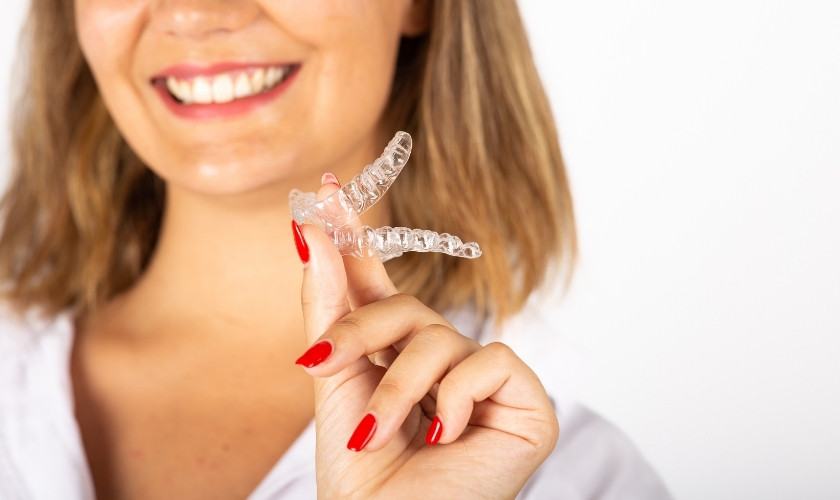
Clear aligners, Invisalign, are a clear alternative to traditional braces. They are made of clear plastic and fit the patient’s teeth. They also work like a metal brace, gradually moving to the desired position. The only difference is that aligners can be removed before you eat or brush your teeth.
Jaw Surgery
In cases where a problem with the jaw causes an overbite, surgery may be necessary to correct it. Surgery can involve repositioning the jaw or removing a small amount of bone.
Bite Plates
If veneers cannot be used on an overbite, bite plates are worn inside the mouth to alter the jaw’s position and correct the overbite. These can be removed or fixed and are used especially in growing children.
Orthotropics
Orthotropics is a non-surgical practice that uses exercises, appliances, and oral hygiene to improve the position of the jaw and teeth. It is an alternative approach to jaw surgery.
Call Us to Know More About Which Veneer Alternative Is Best to Correct Your Overbite
Don’t let your overbite smile hold you back any longer! Our fantastic dentist in Fort Wayne, IN, specializes in overbite correction and giving our patients the confident, aesthetic smiles they deserve.
Whether you need permanent veneers, clear aligners, dental implants, or other treatment options, we have the expertise and experience to address your smile concerns. Don’t wait any longer to show off your glowing smile. Book a consultation with us today, and let us help you achieve the perfect smile you deserve!
Can an overbite be fixed without braces?
Yes. If you are hesitant to use braces, there are plenty of cosmetic dentistry options to fix overbites, such as clear aligners, Bite Plates, jaw surgery, or orthodontics. Consult a skilled cosmetic dentist to determine which method is appropriate for you.
Can I get veneers if I have an underbite?
It is not recommended to use veneer treatment if you have an underbite. Your jaw and teeth must be corrected and aligned before you get your permanent veneers.
Can you get fake teeth with an overbite?
Yes, getting fake teeth, also known as dentures, with an overbite is possible. Dentures can be customized to fit the individual’s bite and jaw structure. However, it is recommended to consult with a dentist or orthodontist to determine the best course of action for correcting an overbite, as it may require orthodontic treatment or surgery.
Should I remove teeth for an overbite?
Removing teeth is not always necessary to correct an overbite, but depending on the individual case, it can be one option. Consult your dentist or orthodontist to determine the best method for your overbite.
Should I fix my overbite before veneers?
Yes. Getting veneers with an overbite can increase the risk of having chewing problems, gum disease, and tooth cavities.
Who can’t be a good candidate for veneers?
- Patients with severe tooth decay or active gum disease, as these conditions, must be treated before veneers can be placed.
- Patients with a high bite or grinding habit, such as these, can cause excessive veneer wear.
- For patients with very little tooth structure remaining, there needs to be enough tooth structure remaining to support the veneer.
- Patients who are not willing to have some tooth structure removed. Veneers require removing some of the tooth enamel before placing the veneer.
- Patients who are not good candidates for anesthesia or are allergic to veneer materials.
It’s best to consult a reputable dentist or cosmetic dentist to determine if veneers are the best option for you.
When should you not get veneers?
If you wish to get your permanent veneers but have oral problems like gum disease or if you usually grind your teeth, you must get them treated first.
What is the fastest way to fix an overbite?
The fastest way to fix an overbite depends on how severe the condition is.
Sometimes, jaw repositioning or genioplasty surgery may be necessary to correct the overbite. This can be a quicker solution but involves a surgical procedure and recovery time.