4626 West Jefferson Blvd. Fort Wayne, Indiana 46804


How Long Do Dental Crowns Really Last?
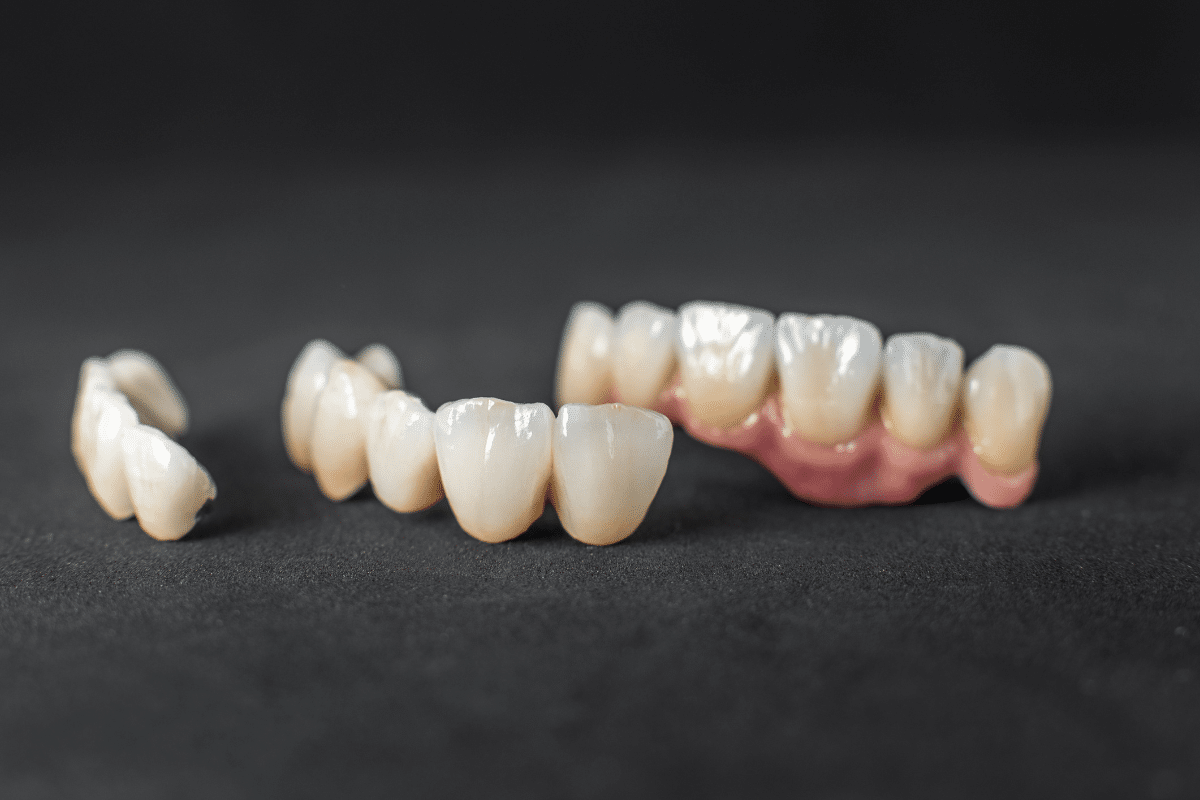
Dental crowns are commonly used to restore damaged or weakened teeth, providing both functional and aesthetic benefits.
If you’re considering a crown for your tooth, you may be thinking, How long do dental crowns last? The lifespan of a crown depends on several factors, including the material used, oral habits, and maintenance. Understanding how long these restorations last, when they need to be replaced, and what affects their durability can help you take proper care of your dental health.
If you are in Fort Wayne and considering a dental restoration, it’s essential to understand the timeline for replacement and how to maximize the longevity of your tooth caps.
How Long Do Dental Crowns Last on Average?
Generally, these restorations are designed to last between 10 and 15 years. However, this lifespan can vary depending on factors such as the material used for the crown, your oral hygiene, and your dietary habits. Some tooth caps may last longer, while others might require replacement sooner.
Factors that impact the longevity include:
- Material Used: These restorations can be made from various materials, such as porcelain, metal, and porcelain fused to metal. While metal caps tend to last longer, porcelain ones are more aesthetically pleasing but may wear out more quickly.
- Oral Habits: If you grind your teeth or chew on hard objects, your crown may wear down faster. Proper care, including regular brushing and flossing, can significantly extend the life of your restoration.
- Location: Crowns placed in the back of your mouth (molars) often endure more pressure from chewing, so they may wear out faster than those placed on the front teeth.
What Materials Are Used for Dental Crowns?
The material used for a dental crown plays a significant role in its durability, appearance, and overall performance. The most common materials for dental crowns in Fort Wayne include:
- Porcelain Crowns: These offer the most natural look and are often used for teeth visible when smiling. They’re an excellent choice for front teeth, but may wear down faster compared to metal tooth caps.
- Porcelain-Fused-to-Metal Crowns: These combine the strength of metal with the aesthetic benefits of porcelain. They offer a good balance of durability and appearance, making them ideal for both front and back teeth.
- Metal Crowns: Made from gold or other durable metals, metal dental caps are the strongest and longest-lasting. However, they are more noticeable and are typically used for molars or other less visible teeth.
Each type has its advantages, and your dentist will help you choose the best option based on your needs and the location of the restoration.
How to Know When to Replace Your Dental Crown
While dental tooth caps are designed to last for years, they won’t last forever. Here are some signs that indicate it might be time to replace your crown:
- Visible Damage: Cracks or chips in the crown can expose the underlying tooth, leading to further damage. If you notice any visible damage, it’s time to visit your dentist.
- Decay Underneath: If the tooth underneath the crown becomes decayed, the crown may need to be replaced. Signs include tooth pain, sensitivity, or discomfort near the crown.
- Loose Crown: Over time, these restorations can become loose due to wear or weakening of the cement that holds them in place. A loose crown can cause irritation or expose the tooth to infection; therefore, it’s essential to replace it promptly.
- Discomfort or Pain: If your crown becomes uncomfortable or if you experience pain when chewing, it might be an indication that the crown has shifted or become damaged.
How to Care for Your Dental Restoration
To maximize the lifespan of your restoration, proper care is essential. Here are a few tips for maintaining your dental crown:
- Practice Good Oral Hygiene: Brushing twice a day and flossing daily helps keep the area around your crown clean and free from plaque buildup.
- Avoid Chewing Hard Objects: Refrain from chewing ice, hard candy, or other hard objects that could damage the crown or the tooth underneath.
- Visit Your Dentist Regularly: Regular dental checkups allow your dentist to inspect the condition of your crown and surrounding teeth, helping to catch any issues early.
- Wear a Mouthguard if Necessary: If you grind your teeth, wearing a night guard can prevent excessive wear on your crown and other teeth.
When Should You Consult a Dentist for a Crown Replacement?
If you suspect your crown is damaged, loose, or showing signs of decay, it’s essential to visit a dentist. Your dental practitioner will be able to assess the condition of your restoration and determine if it needs replacement or repair.
With regular care and visits to the dentist, you can ensure that your crown lasts as long as possible and remains in good condition.
Visit Our Dental Office in Fort Wayne for Crown Care and Replacement
If you need dental crown replacement or want to maintain your current crown, visiting a qualified professional is crucial for achieving long-lasting results.
At Family Dentistry & Aesthetics, we offer personalized care to help restore your smile and maintain the health of your teeth.
Schedule a consultation to explore your options for dental crowns and learn how to care for them effectively.
Frequently Asked Questions
1. How long do dental crowns last?
Dental crowns typically last between 10 and 15 years, depending on the material used and the level of care you provide.
2. Can a dental crown be repaired?
If a crown is damaged, it can sometimes be repaired; however, in most cases, it will need to be replaced to restore both its function and appearance.
3. What is the cost of a dental crown?
The cost varies depending on the material used for the crown, as well as the location of the crown and any additional treatments that may be required.
4. Can I eat normally with a dental crown?
Yes, once the crown is in place, you can eat and drink normally. However, it’s important to avoid chewing on hard or sticky foods that could damage the crown.
5. How do I know when to replace my crown?
If your crown is cracked, loose, or causing discomfort, it may be time for a replacement. Regular dental checkups help determine when it’s time to replace your crown.
6. Can I whiten my crown?
Unlike natural teeth, dental crowns do not respond to whitening treatments. If the crown becomes stained, it may need to be replaced to restore its appearance.