4626 West Jefferson Blvd. Fort Wayne, Indiana 46804


Heart Patient Precautions Before Implant Surgery

Dental implants are one of the most reliable solutions for restoring missing teeth, but if you have a heart condition, extra precautions are essential before moving forward. For patients in Fort Wayne, understanding how your cardiovascular health interacts with oral surgery can help ensure a safer, smoother experience.
At Family Dentistry & Aesthetics, we often work with heart patients who want to regain their smile while protecting their overall health. Here’s what you need to know before undergoing dental implant surgery.
Why Heart Patients Need Special Consideration
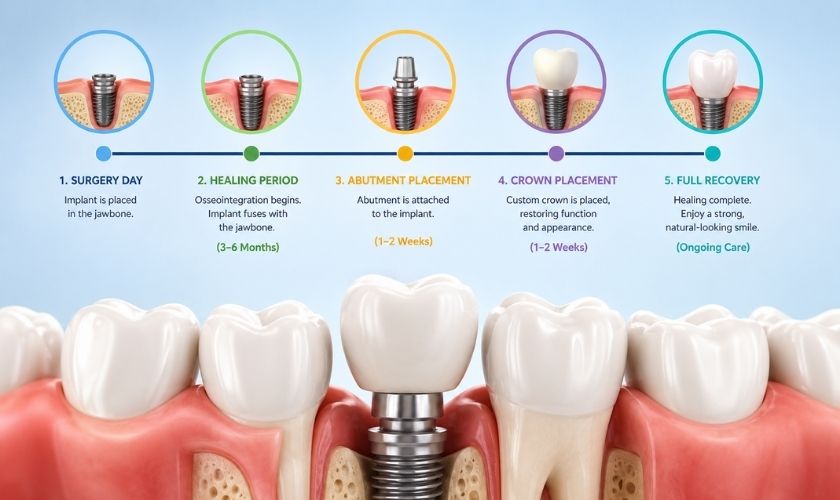
Implant surgery involves minor surgical procedures, anesthesia, and healing phases that can affect your body’s systems – including your heart. Conditions such as heart disease, arrhythmias, or a history of heart attack can increase risks during and after the procedure.
Common concerns include:
- Blood pressure fluctuations
- Risk of infection spreading to the heart
- Medication interactions
- Stress on the cardiovascular system
This is why proper planning and communication between your dentist and physician are critical.
1. Get Medical Clearance from Your Cardiologist
Before scheduling dental implant surgery in Fort Wayne, you should always consult your cardiologist. They will evaluate whether your heart condition is stable enough for the procedure.
Your doctor may:
- Review your medical history
- Adjust medications if needed
- Recommend precautions during surgery
- Provide written clearance
Patients with recent heart surgeries, stents, or uncontrolled conditions may need to delay treatment.
2. Discuss All Medications in Detail
Heart patients often take medications such as:
- Blood thinners (like warfarin or aspirin)
- Beta-blockers
- Anticoagulants
These medications can impact bleeding and healing. Never stop or adjust them without your doctor’s approval.
Your dentist in Fort Wayne will coordinate with your physician to:
- Minimize bleeding risks
- Adjust dosages temporarily if required
- Choose safe anesthesia options
3. Prevent Infection with Antibiotic Protocols
For some heart conditions – especially those involving heart valves – there’s a risk of infective endocarditis, a serious infection of the heart lining.
To reduce this risk:
- Antibiotics may be prescribed before and after surgery
- Strict sterilization protocols are followed
- Post-operative care instructions must be followed carefully
Maintaining good oral hygiene before the procedure is also essential to lower bacterial load.
4. Manage Blood Pressure and Stress
Dental anxiety and surgical stress can elevate blood pressure, which may pose risks for heart patients.
Here’s how this is managed:
- Monitoring vital signs during the procedure
- Using sedation dentistry when appropriate
- Scheduling shorter or staged appointments
- Encouraging relaxation techniques
Choosing a trusted Fort Wayne dental provider ensures you’re treated in a calm, controlled environment.
5. Evaluate the Timing of the Procedure
Timing is especially important for heart patients. You may need to postpone dental implant surgery if you’ve recently experienced:
- A heart attack
- Cardiac surgery
- Placement of a stent
In many cases, dentists recommend waiting:
- 6 months or more after major cardiac events
- Until your condition is stable and well-managed
This reduces complications and supports better healing outcomes.
6. Maintain Excellent Oral Hygiene Before Surgery
Healthy gums and teeth are critical before placing dental implants. Any infection or gum disease can increase risks, particularly for heart patients.
Before surgery, your dentist may recommend:
- Professional cleaning
- Treating gum disease
- Addressing cavities or infections
Good oral health lowers the chance of bacteria entering the bloodstream during the procedure.
7. Plan for Post-Surgery Monitoring and Recovery
After your dental implant procedure, proper care is vital – especially for patients with heart conditions.
Post-operative precautions include:
- Monitoring for unusual swelling or bleeding
- Taking medications as prescribed
- Avoiding strenuous activity
- Attending follow-up appointments
Your recovery plan will be tailored to ensure both your oral and heart health remain stable.
Choosing the Right Dental Implant Provider in Fort Wayne
Not all dental practices are equipped to handle medically complex cases. Working with an experienced team that understands the connection between oral and systemic health is essential.
At Family Dentistry & Aesthetics, we prioritize patient safety by:
- Collaborating with your healthcare providers
- Customizing treatment plans
- Using advanced monitoring techniques
- Providing compassionate, patient-focused care
Final Thoughts
Dental implants can be a life-changing solution – even for heart patients – when proper precautions are taken. By working closely with your dentist and cardiologist, you can minimize risks and enjoy the benefits of a restored smile.
If you’re in Fort Wayne and considering dental implants with a heart condition, taking these steps ensures a safer and more successful outcome.
Check our reviews to see how we’ve helped patients with complex health needs feel confident about their care. When you’re ready, book an appointment to discuss your personalized treatment plan.
Frequently Asked Questions
1. Can heart patients safely get dental implants?
Yes, many heart patients can safely receive implants with proper medical clearance, careful planning, and coordination between their dentist and cardiologist.
2. Do I need antibiotics before dental implant surgery?
Some heart patients require antibiotics to prevent infections like endocarditis, especially if they have valve conditions or certain cardiac histories.
3. Should I stop blood thinners before surgery?
Do not stop blood thinners without your doctor’s approval. Your dentist and physician will decide if adjustments are necessary for safety.
4. How long should I wait after a heart attack?
Most patients are advised to wait at least six months after a heart attack before undergoing elective dental implant surgery.
5. Is dental implant surgery stressful for the heart?
The procedure can cause mild stress, but sedation options and monitoring help keep heart rate and blood pressure under control.
6. What are the risks for heart patients?
Potential risks include bleeding, infection, and cardiovascular strain, but these can be minimized with proper precautions and planning.
7. Can high blood pressure affect implant success?
Uncontrolled blood pressure may increase surgical risks, but well-managed hypertension typically does not prevent successful implant outcomes.