4626 West Jefferson Blvd. Fort Wayne, Indiana 46804


Pain Scale: How Painful Is A Dental Implant?
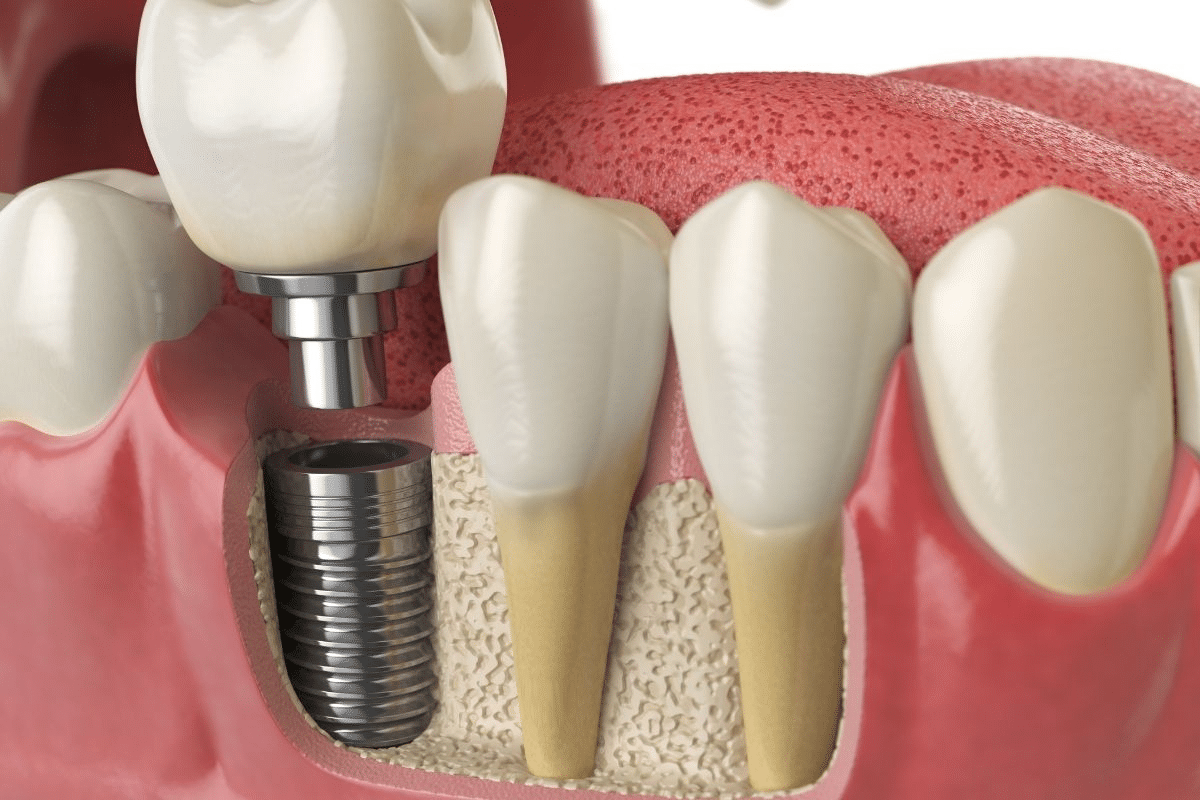
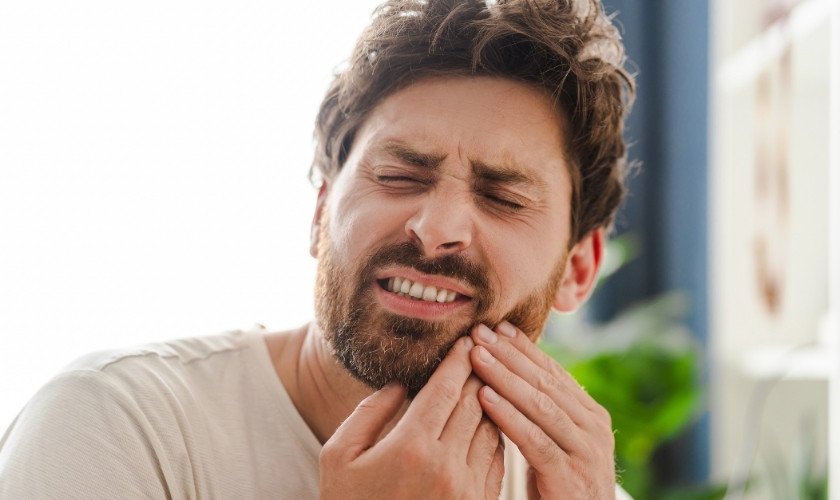
The idea of having a surgical procedure to restore a missing tooth often brings concerns about pain. But what if the experience is not as uncomfortable as you expect? Many patients are surprised to learn that the discomfort associated with a dental implant in Fort Wayne is minimal and manageable. In this blog, we will take you through what really happens during the procedure, what you can expect in terms of discomfort, and how to ensure a smooth recovery.
What Does The Experience Feel Like?
Research shows that patients who are informed and relaxed expect less sensitivity and often experience less. Anxiety raises pain perception. How much discomfort is involved in getting a dental implant? Let us find out:
During The Procedure
With modern sedation and rapidly improving technology, most patients feel pressure and vibrations, but not sharp tenderness. Your provider will closely monitor your comfort levels.
The Day After
You may experience some soreness, mild swelling, or bruising, similar to a regular tooth extraction, but usually less intense. Most individuals rate their sensitivity in the lower range of the scale.
In The First Week
Discomfort usually subsides quickly. Many patients stop needing pain medication by day 3 or 4 and return to normal eating and speech.
What Do The Studies Actually Show?
Studies on post-prosthetic tooth discomfort have shown that discomfort typically peaks around 24 hours after the procedure. It gradually declines significantly by 72 hours. Most patients report only mild discomfort after the initial swelling subsides.
A study comparing tooth extraction and implant placement clearly demonstrates that the surgical procedure leads to less sensitivity and a quicker recovery than tooth removal.
Key findings include:
- Day 1 is usually the most uncomfortable. Tenderness tends to subside quickly after that.
- Procedure length affects pain levels, as longer surgeries may lead to more discomfort.
- Pain control methods, including NSAIDs, can significantly reduce discomfort during recovery.
Variables That Can Influence Your Surgery’s Discomfort
While the process is generally low in discomfort, several factors can affect how painful your experience will be:
- Surgical Complexity: If additional procedures, like bone grafting, are required, the discomfort may be slightly higher.
- Number of Implants: More artificial tooth roots usually result in a slightly longer healing time and more post‑surgery soreness.
- Bone Quality: Patients with denser or weaker bone might experience more discomfort as the fixture integrates with the jaw.
- Patient Anxiety: Nervousness can increase your sensitivity perception. Being well-informed and relaxed can help reduce overall discomfort.
Proven Methods To Stay Comfortable Post-Treatment
To optimise your healing and comfort, consider this tailored advice:
- Take doctor-recommended pain relief medicines.
- Apply an ice pack to your cheek for 10-15 minutes every hour on day 1.
- Stick to soft foods (rice, yogurt, smoothies) for 48-72 hours.
- Sleep with your head elevated to reduce blood flow and swelling.
- Avoid strenuous activity and smoking, which increase inflammation.
These proactive steps turn what used to be a week‑long discomfort into a more manageable experience.
Ready for a Comfortable, Confident Smile?
At Family Dentistry & Aesthetics in Fort Wayne, IN, we combine precise planning, gentle techniques, and modern pain management to make your dental implant experience smooth and stress-free. Don’t let fear hold you back – schedule your consultation today and take the first step toward a stable, naturally feeling smile!
Frequently Asked Questions
1. What causes discomfort after implant placement, and how long does it last?
Initial soreness usually stems from healing tissue and bone adjustment after the prosthetic teeth are placed. Most discomfort fades significantly by day three to four and rarely affects daily routines beyond a week.
2. Can I drive or return to work immediately after dental implant surgery?
Many patients resume light activities the same or next day, provided they feel comfortable, and an escort is available if sedation was used. Strenuous tasks and heavy lifting should be avoided for at least 48 hours to support optimal healing.
3. Is my eating experience different during the healing phase compared to my final restoration?
Yes—during the integration period, soft foods and reduced chewing force help protect the surgical site. Once fully restored, the replacement behaves like a natural tooth, and you should regain nearly full function.
4. What factors might increase the risk of complications around a fixed dental prosthesis?
Smoking, uncontrolled medical conditions (like diabetes), and poor oral hygiene can delay recovery and increase infection risk. When these risks are managed, success rates remain comparable to other dental surgical procedures.
5. How should I care for the implanted area once the final tooth is placed?
After full restoration, daily brushing and flossing plus regular professional cleanings maintain long‑term stability. Occasional checkups allow early detection of any issues, ensuring the investment functions for years.