4626 West Jefferson Blvd. Fort Wayne, Indiana 46804


How to Overcome Dental Anxiety and Dental Phobia
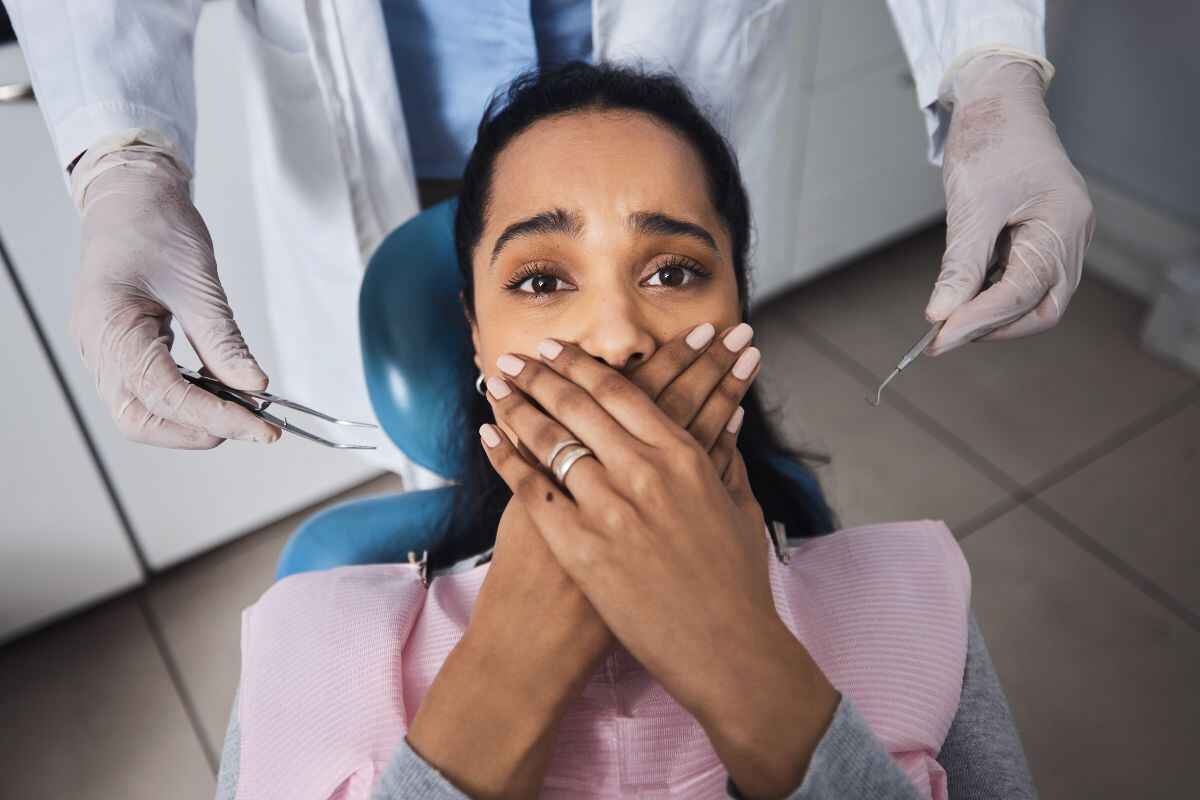
If your stomach tightens when you think about scheduling a dental appointment, you are not alone. Dental anxiety and dental phobia affect millions of people across the country – including many right here in Fort Wayne, IN. Some people feel mild nervousness before cleaning. Others avoid the dentist for years because of intense fear.
In this guide, we’ll walk you through:
- What dental anxiety and dental phobia really mean
- Common causes of fear of the dentist
- Physical and emotional symptoms to watch for
- Practical ways to manage dental anxiety
- When sedation dentistry may help
- How to take the first step toward stress-free dental care
What Is Dental Anxiety?
Dental anxiety is a feeling of nervousness, worry, or unease about dental visits or procedures. You may still come to appointments, but you dread them.
Dental phobia is more intense. It is a severe fear of the dentist that may cause you to cancel appointments or avoid care altogether – even when you are in pain.
- “I hate the sound of the drill.”
- “I’m afraid something will hurt.”
- “I feel embarrassed about my teeth.”
- “I had a bad experience years ago.”
These concerns are more common than most people realize.
How Common Is Fear of the Dentist?
Research suggests that 8–15% of adults experience significant dental fear, and many more report some level of anxiety before treatment. Nearly half of Americans do not see a dentist annually.
In practical terms, that means dental anxiety is one of the most common barriers to preventive dental care. And when people delay visits, small issues – like a minor cavity – can turn into larger problems that require more complex treatment.
What Causes Dental Anxiety?
Fear of the dentist often develops from one or more of the following:
1. Previous Negative Experiences
A painful or rushed appointment in childhood can leave a lasting impression.
2. Fear of Pain
Even though modern dentistry is far more comfortable than it was decades ago, many patients still expect discomfort.
3. Loss of Control
Lying back in a chair, unable to see what is happening, can make some people feel vulnerable.
4. Embarrassment
Patients who have avoided care may feel self-conscious about their teeth or gums.
5. Sensory Triggers
Sounds, smells, and the clinical setting can trigger anxiety before treatment even begins.
Understanding the cause of your dental anxiety is the first step toward managing it.
Signs and Symptoms of Dental Anxiety
Dental fear does not just affect your thoughts – it affects your body.
You may experience:
- Rapid heartbeat
- Sweating
- Shallow breathing
- Trouble sleeping the night before an appointment
- Feeling irritable or emotional
- Avoiding scheduling care altogether
Severe dental phobia may even cause panic attacks at the thought of treatment.
If this sounds familiar, know that your reaction is real – and manageable.
Why Avoiding the Dentist Makes Anxiety Worse
Avoidance often feels like relief in the short term. But over time, delaying care can lead to:
- Tooth decay
- Gum disease
- Tooth infections
- Broken or missing teeth
- More invasive procedures later
When dental problems become urgent, anxiety often increases. Regular preventive care is one of the best ways to reduce both dental issues and dental fear.
Practical Ways to Manage Dental Anxiety
If you struggle with fear of dental treatment, these strategies can help:
Communicate Openly
Tell your dental team exactly how you feel. Clear communication reduces uncertainty and builds trust.
Ask Questions
Understanding your treatment plan step-by-step removes the fear of the unknown.
Use Relaxation Techniques
Deep breathing, guided imagery, or calming music can lower your heart rate and ease tension.
Schedule Morning Appointments
Many patients in Fort Wayne prefer earlier visits so they do not spend all day worrying.
Start Small
If it has been years since your last visit, begin with a consultation instead of jumping straight into treatment.
Taking gradual steps helps you regain control.
When Sedation Dentistry May Help
For patients with moderate to severe dental anxiety, sedation dentistry can make care far more comfortable.
Common options include:
Nitrous Oxide (Laughing Gas)
Nitrous oxide provides mild relaxation while keeping you awake and responsive. The effects wear off quickly, and many patients feel calm but alert.
Oral Conscious Sedation
A prescribed oral medication taken before your visit can help you feel deeply relaxed. You remain conscious but may remember little about the procedure. You will need someone to drive you home.
Sedation dentistry does not replace communication or compassionate care – but it can be a valuable tool for patients with dental phobia or those completing multiple procedures in one visit.
If you have ever searched for “how to overcome dental anxiety” or “sedation dentistry for fear of the dentist,” these options may be worth discussing with your dentist.
Building Trust Over Time
Overcoming dental anxiety is rarely about one appointment. It is about rebuilding trust in small, steady steps.
Modern dentistry emphasizes:
- Profound local anesthesia before treatment
- Gentle techniques
- Clear explanations
- Respect for your comfort level
With consistent positive experiences, many patients find their fear gradually decreases.
You Deserve Dental Care Without Fear
If dental anxiety has kept you from getting the care you need, we invite you to take a different first step.
At Family Dentistry & Aesthetics in Fort Wayne, IN, we understand dental fear because we have helped many patients work through it – at their own pace. We are happy to schedule a conversation visit before any examination, so you can meet us, ask questions, and feel comfortable.
You do not have to face dental anxiety alone. Call (260) 432-0561 today to schedule a consultation and begin your journey toward calm, confident dental care.