Schedule Now
Can Dental Veneers Replace Missing Teeth?

When people think about improving their smile, dental veneers are often one of the first cosmetic treatments that come to mind. They are known for transforming stained, chipped, or uneven teeth into a bright, symmetrical smile.
If you are missing one or more teeth and exploring cosmetic or restorative options, it’s important to understand what veneers can and cannot do. In this guide, we’ll break down how veneers work, when they might help, and when other dental solutions are better suited for tooth replacement.
What Are Dental Veneers, and How Do They Work?
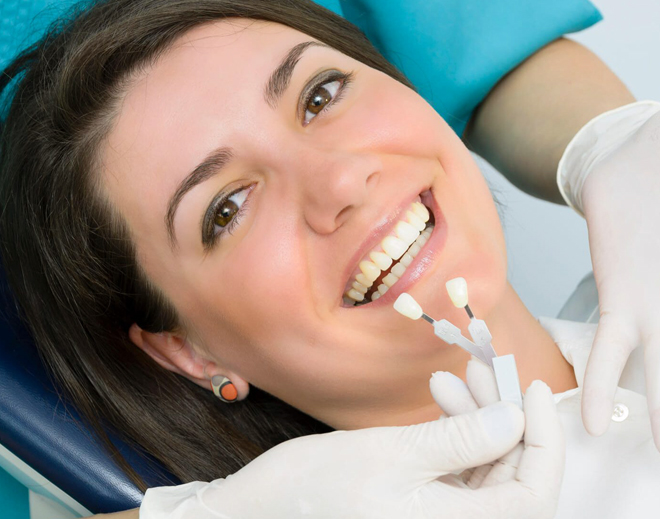
Dental veneers mimic the natural look of teeth, customized to match your smile. The process typically involves:
- Consultation and Prep: Your dentist lightly shaves the front enamel of the tooth (about 0.5mm) to make room for the veneer.
- Impressions and Creation: A lab crafts the veneer from high-quality porcelain for durability and translucency.
- Bonding: The veneer gets cemented in place, transforming your smile in just 2-3 visits.
Veneers last 10-15 years with good care and resist stains better than natural enamel. They’re popular for cosmetic dentistry because they create a Hollywood-worthy smile without bulky metal frameworks.
But here’s the key limitation: veneers require a healthy, intact tooth structure underneath. They cover and enhance what’s already there—they don’t fill empty spaces.
The Myth of Veneers as Tooth Replacements
Dental veneers for missing teeth won’t work because there’s no tooth foundation to bond them to. Veneers are like a new layer of paint on a wall—they enhance, but they don’t build the wall from scratch. Attempting a veneer tooth replacement for a gap would fail structurally. The veneer needs the tooth’s root and body for support; without it, it can’t anchor properly and would pop off or cause gum issues.
People sometimes confuse veneers with other restorations. For instance:
- Veneers vs. Crowns: Crowns cap an entire damaged tooth, including when it’s broken down to the gumline. Still, they need some tooth structure.
- Veneers vs. Implants: Implants replace the entire tooth, root included, making them ideal for single missing teeth.
- Veneers vs. Bridges: Bridges “bridge” gaps by anchoring to adjacent teeth, but veneers don’t span spaces.
Why Missing Teeth Need Proper Replacement
Ignoring a missing tooth isn’t just cosmetic. Here’s why action matters:
- Bone Loss: Without a root stimulating the jawbone, it resorbs at 25% in the first year, leading to a sunken face.
- Shifting Teeth: Adjacent teeth drift into the gap, causing misalignment and bite problems.
- Chewing Issues: Gaps make eating harder and increase wear on other teeth.
- Speech and Confidence: Lisp or self-consciousness affects daily life.
Veneers to replace missing tooth sounds appealing for their minimally invasive nature, but they skip these functional needs. Opting for veneers alone risks long-term complications like further tooth loss.
Better Alternatives for Veneer Tooth Replacement
- Dental Implants: Titanium posts fused into the jawbone act as new roots, topped with a crown. Success rate: 95-98%. Best for single gaps.
- Bridges: Porcelain bridges supported by crowns on adjacent teeth. Quick (2 weeks) but requires healthy neighbors.
- Removable Dentures: Partial dentures clip onto remaining teeth. Affordable but less stable.
- Combination Approaches: Veneers on front teeth plus an implant in the gap for a seamless smile.
Your choice depends on gap location, bone health, budget, and timeline. Implants shine for longevity (20+ years), while bridges suit faster needs.
Visit a Dental Office in Fort Wayne for Expert Advice
For personalized guidance on veneers with missing teeth or full smile makeovers, consult an experienced dentist in the Fort Wayne area. They use 3D scans and digital mockups to show results upfront, ensuring treatments like implants or bridges align with your goals.
Caring for Veneers Alongside Tooth Replacements
Once your smile is restored – say, with implants and veneers – maintenance is simple:
- Brush twice daily with non-abrasive toothpaste.
- Floss daily, including around implants.
- Avoid hard foods like ice or nuts.
- Visit your dentist every 6 months.
This keeps everything looking bright for decades.
While dental veneers for missing teeth aren’t a direct solution, they’re fantastic for enhancing your existing smile during comprehensive treatment. Don’t settle for incomplete fixes—get a full evaluation to reclaim your confident grin.
Also Read: Can You Get Veneers With Gum Disease?
Frequently Asked Questions
- Can dental veneers replace missing teeth?
No, veneers require an existing tooth to bond to. They enhance appearance but can’t replace the tooth or root structure. Opt for implants or bridges instead. - Can you get veneers with missing teeth?
Yes, on your remaining teeth, but not to fill the missing gap. Your dentist might recommend veneers as part of a broader restoration plan. - Are veneers a good option for tooth replacement?
Not for actual replacement—they’re cosmetic only. For functional veneer tooth replacement, dental implants provide the best root-like support. - What happens if I ignore a missing tooth and get veneers on other teeth?
The gap can cause bone loss, shifting, and bite problems. Veneers alone won’t prevent these—address the missing tooth first. - How long do veneers last with missing teeth nearby?
10-15 years, but instability from untreated gaps can stress them, shortening their lifespan. Stabilize your bite with proper replacements. - Can veneers to replace a missing tooth ever work?
No, due to a lack of support. In rare cases with minimal bone loss, advanced techniques like implant-supported veneers exist, but consult an expert.