Schedule Now
Bonding Chipped Tooth: What You Need to Know

For most of your life, you’ll be able to eat crunchy and hard foods, smile, and even rip the tape with your teeth because of the inherent strength of your teeth. What is it about them that makes them last so long? Because your tooth enamel is one of the most durable components of your body.
However, breaking teeth is easier. Glass bottles, water fountains, ice cubes, and labor can damage teeth. Tooth rot, bruxism, and excessive acid make it simpler to chip a tooth. And having a chipped, discolored, or broken tooth would make you feel conscious about flashing your smile.
And one of the dental procedures your dentist would recommend is tooth bonding. Tooth bonding is a treatment in which a tooth-colored composite resin is applied by your dentist to one or more of your damaged teeth to heal. It is far less costly than other cosmetic dental treatments, including crowns and veneers.
If you consider getting one, read this blog to learn more about its process, risks, and costs.
What Is Tooth Bonding
Tooth bonding, also known as dental bonding, is a cosmetic dentistry procedure used to fix teeth that have been chipped, fractured, or broken in some other way. Discolored teeth, gaps between the teeth, and even a tooth that’s shorter than the rest can all benefit from this treatment.
Dentists can use dental bonding to cover up an issue and restore a patient’s smile aesthetics at the same time.
Dental Bonding Procedure
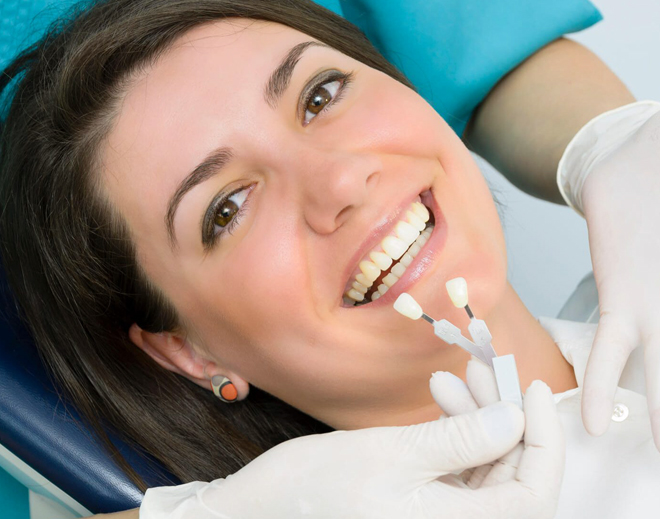
The dental bonding procedure starts with using a shade guide; your dentist will select a composite resin color that is as similar to your natural tooth color as possible to begin the procedure. After that, your dentist roughens the tooth surface before applying a liquid that permits the dental bonding material to adhere to the tooth.
And then it is then hardened with ultraviolet light by your dentist after they place the composite resin over it.
Should You Get Teeth Bonding?
If you have minor imperfections on your teeth and you want to have them fixed, you can be a suitable candidate for this cosmetic procedure.
Tooth bonding can be used to correct minor flaws in a tooth’s structure. A decaying, broken, or discolored tooth can be repaired by dental bonding, popular with certain patients. Small spaces between teeth can be filled using this treatment as well.
Tooth bonding can also be used to expand the size of your natural tooth. For instance, suppose you have a tooth that is shorter than the others, and you want them all to be the same length.
Risks For Teeth Bonding
Dental bonding is a simple outpatient procedure that is safe and uncomplicated. Thus, there aren’t any significant risks to dental bonding.
For composite resin, dentists (usually) don’t have to grind down your teeth to repair it, so you don’t have to worry about what your tooth will look like. The composite resin used in this treatment isn’t as sturdy as your original teeth, so keep in mind that you have to gently take care of your teeth once you have this done.
Make sure you are well aware of the following:
- The substance may chip or detach from your natural tooth.
- A bonded tooth may chip if you consume ice, chew on pens or pencils, bite your fingernails, or bite down on hard food or confectionery.
- Unlike other dental materials, resin does not withstand staining as well. If you smoke or consume a lot of coffee, you may notice some discoloration.
Cost of Tooth Bonding
You may anticipate paying between $300 and $600 per tooth on average. You’ll have to get rid of the bonding and get new about every five to ten years. Moreover, teeth bonding costs vary greatly depending on the location, the depth of the treatment, and the dentist’s level of experience.
Consult your dental insurance company before you make an appointment. Certain insurance companies consider dental bonding a cosmetic operation; thus, they won’t pay for it.
How Long Does Tooth Bonding Last?
Tooth bonding can persist from three to ten years. Veneers typically last between seven and 15 years, whereas dental bonding typically lasts between two and five years. Dental bonding has the following advantages as opposed to veneers: Dental bonding is less expensive than veneers because it doesn’t need the same amount of enamel removal.
However, bonding can last anywhere from four to eight years in the front teeth, depending on where the bond is placed, how you bite, and how often you eat. It’s best to avoid biting into hard foods that might damage the dental bonding by slicing or chewing straight into them.
Call Smile Fort Wayne To Learn More About Dental Bonding
If you have a chipped tooth, don’t panic. There are several things you can do to protect and repair your tooth. The first step is to contact the most trusted dentist in Fort Wayne for an evaluation. We would be happy to help you make the decision that is right for your oral health and overall well-being. Thank you for reading!