4626 West Jefferson Blvd. Fort Wayne, Indiana 46804


Veneers: Does it ruin your teeth?

As this is a significant financial undertaking, some reservations are understandable. However, the quick answer is that it does not ruin your teeth. Nothing will happen to your teeth as long as you take good care of your veneers, which is a simple task to accomplish.
Deterioration can still develop if veneers are not fitted properly or do not maintain good dental hygiene habits.
Do Veneers ruin your real teeth?
Veneers are not harmful to your teeth if a qualified dental practitioner places them.
However, there are a few factors to consider while deciding whether or not to get veneers placed on your teeth. It is not all customers are good candidates for veneers. An examination is carried out to assess whether or not a patient is a suitable candidate for this type of cosmetic dentistry treatment. If a patient has gum disease, weak teeth, or other dental issues, veneers are not ideal.
Those who grind their teeth regularly should avoid having veneers placed because doing so consistently over time can cause significant harm to the veneers over time.
Additionally, if veneers do not suit a patient, there are usually other cosmetic dentistry treatment options, including dental bonding and other orthodontic treatment options. You should discuss these options with a licensed professional dentist during the examination.
What veneers do
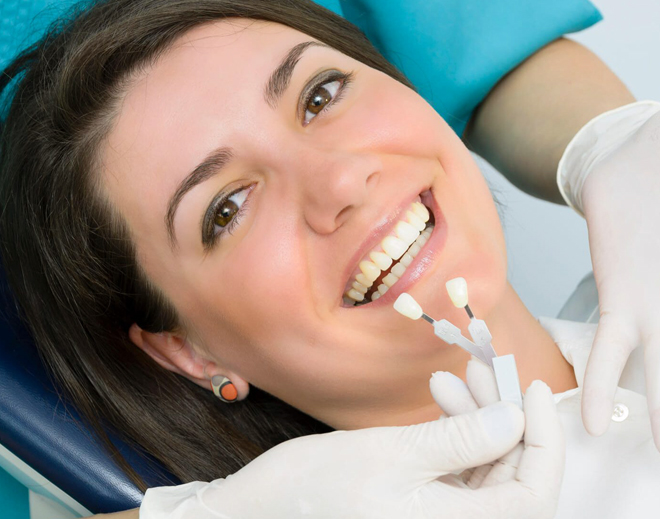
The veneer is a tooth-shaped shell applied to the front of a natural tooth to conceal flaws while also changing the color, size, and shape. Veneers are placed on the front of natural teeth to conceal flaws while also changing the shape, size, and color of the teeth. A common type of veneer is a porcelain veneer, although they can also contain composite materials such as resin or fiberglass.
If intrinsic stains on a patient’s teeth prevent whitening treatments from working, dentists frequently recommend veneers as their treatment choice. Veneers are used in cosmetic dentistry for a variety of reasons, including the following:
- Teeth that have been worn down by erosion or grinding
- Teeth that have been chipped or fractured
- Teeth that are misaligned, poorly formed, or unequal
- Discrepancies in a patient’s smile
Not everyone is a candidate for veneers since they have teeth that are not suited. Consequently, we will need to do a thorough examination of your mouth to evaluate whether or not you are a suitable candidate for this prosthetic. An X-ray typically accompanies this examination to provide us with a better understanding of what is going on beneath the surface of your tongue.
However, if it is determined that you are not a good candidate for veneers, other cosmetic dentistry procedures can be used to restore your smile. These include composite veneers, dental bonding, and orthodontic treatments. During a consultation, we will go over each of these alternatives with you in detail.
Why veneers are a good idea
In addition to improving teeth’s appearance and straightening them, dental veneers offer the following benefits:
Worthwhile investment
Veneers are among the most economical dental treatments available. They can perform as well as or better than direct fillings, inlays, and onlays, and they are less expensive than dental crowns.
Proven effectivity
The benefits of veneers include their conservative nature as well as their superior efficiency. A small amount of enamel must be removed by a dentist to accommodate a veneer. A crown, on the other hand, requires significantly more room. To make room for a crown, a dentist may need to first remove a large amount of enamel from the tooth.
Addresses a variety of dental issues
Veneers are used for a variety of purposes. Dentists can demonstrate this concept by creating a veneer with the same shade as a person’s original teeth. A porcelain veneer (such as pressed porcelain) is also robust enough to support teeth that are only partially damaged. This type of veneer is also highly long-lasting, with the ability to last for many years in certain conditions. In some cases, veneers are sturdy enough to be used as a conservative alternative to a crown, particularly when only moderate damage has occurred to the tooth’s structural integrity.
How much enamel is removed during the installation of veneers?
The initial consultation will include removing approximately half a millimeter of enamel from each tooth that a veneer will cover. This procedure will assist in making room for the veneer so that it does not look significantly larger than it is.
A local anesthetic will be applied to the area where the enamel is to be removed so that the site is numb before the enamel is removed.
Afterward, a dental lab will make a custom fit for your veneers by taking an impression of your teeth. By replicating the exact dimensions of the original, the lab will typically take between two and three weeks to complete.
A temporary veneer will cover your teeth until your custom-made prosthetic is ready for placement.
Caring for Your Veneers
Using a comprehensive routine for maintaining your veneers is not necessary. After all, they are intended to appear as natural as possible, so following these guidelines is as simple as it gets:
Maintain good oral hygiene.
You must take the same amount of care with your veneers as you do with your natural teeth. Cleaning your teeth at least twice a day and flossing your teeth are excellent ways to maintain good dental health.
Improper oral care can also result in gum disease, which can cause your gums to recede, exposing the borders of your veneers and increasing the likelihood that they will chip or detach from your teeth.
Make sure you use the right toothpaste.
Some toothpaste brands may have overly abrasive elements for both your teeth and your veneers, which can cause them to get damaged.
When selecting a toothpaste, look for components such as hydrogen peroxide and sodium bicarbonate or baking soda, both antibacterial agents. When used together, the former will eat away at the surface of your veneers, while the latter’s abrasive nature can cause the veneers to lose their color and luster.
In general, gel products may be preferable to paste products because they are less likely to contain any components listed above. Similarly, you should not feel obligated to purchase whitening toothpaste because they are not required and may potentially be hazardous to your veneers.
It is not recommended to bite into extremely hard items.
Everyone is aware that teeth are not only used for chewing but may also be employed as tools for various tasks such as opening jars and bottles. The unfortunate reality is that such activity is detrimental to your dental health and your veneers.
Metal caps and glass bottles, for example, can chip the porcelain veneer if they hit it with enough force. If you have the habit of biting on odd objects, such as pencils, pens, or even ice, it would be beneficial to take steps to eliminate the practice.
Keep an eye on what you’re eating.
The prohibition against biting hard things extends to food as well, including raw carrots, raw apples, hard chips, and bone-in meat pieces, among other things. Aside from being on the lookout for rough food items, you also need to be cautious of overindulging in foods, particularly those high in sugar and acid. These products contribute to tooth decay, which is detrimental to the longevity of your veneers.
However, sweet and starchy foods such as candy, pasta, bread, and crackers should be avoided, as should sugary beverages such as carbonated soda and fruit juice. Acidic foods, such as citrus fruits (lemons and other varieties of citrus), should be avoided for as long as possible in your mouth to prevent causing damage.
The final recommendation is to stay away from foods that are high in coloring. Veneers do discolor, but not as quickly as other types of materials.
Avoid consuming excessive amounts of alcohol.
Drinking many alcoholic beverages will cause the bonding materials that hold your veneers to your teeth to become softer. While this does not necessarily imply that the veneers will come loose, it does suggest that the bonding line will be more susceptible to damage, degradation, and staining.
Alcohol is not only contained in alcoholic beverages. When purchasing mouthwash or toothpaste, make sure to read the ingredient list to determine if they include alcohol, as these products can be just as harmful as alcoholic beverages.
Avoid grinding your teeth.
A problem for some people is bruxism, which is something they are unable to control. If you have a habit of grinding your teeth while sleeping, talk to your doctor about what you may do to control the problem. You will likely be instructed to use a mouth guard while sleeping.
Teeth grinding, it goes without saying, can cause damage to veneers; thus, having the matter investigated will spare you from incurring further money.
Decide which toothbrush you will use.
Brushing your teeth can make a significant difference in the health of your teeth and the longevity of your veneers, but only if you use the appropriate toothbrush. It is important to choose a tool that is not too hard, as this will scrape the surface of your veneers. Instead, opt for a toothbrush with soft bristles to save time and effort.
Use a mouthguard to protect your teeth.
What kind of contact sports do you participate in? For example, boxing, taekwondo, wrestling, or mixed martial arts? Wearing a mouthguard is essential for protecting your veneers since it will reduce the effect of any significant force you may come into contact with.
Make regular visits to your dentist.
There are two compelling reasons for you to take this action.
For starters, your dentist can assist you in avoiding gum and mouth infections, which can harm the quality and condition of your veneers.
Second, they can repair any issues that may arise before they become more serious, including chips, cracks, or failing connections between your veneers and your teeth, before they become more serious.
Keep in mind that veneers, like everything else, are not meant to last a lifetime. You will be required to replace them after a specified amount of time. Your dentist can advise you on the best time to have your replacement veneers placed, as well as whether or not you require a different treatment option.
Contact Family Dentistry & Aesthetics to find out more about veneers and how it does not ruin your teeth.
If you are considering ceramics, porcelain veneers, or other orthodontic treatments, make sure you discuss your options with your dentist in Fort Wayne. Book an appointment with Family Dentistry & Aesthetics to build that bright white smile.
Read next: Do Veneers Stain?