4626 West Jefferson Blvd. Fort Wayne, Indiana 46804


Why No Dairy After Dental Implant Treatment?
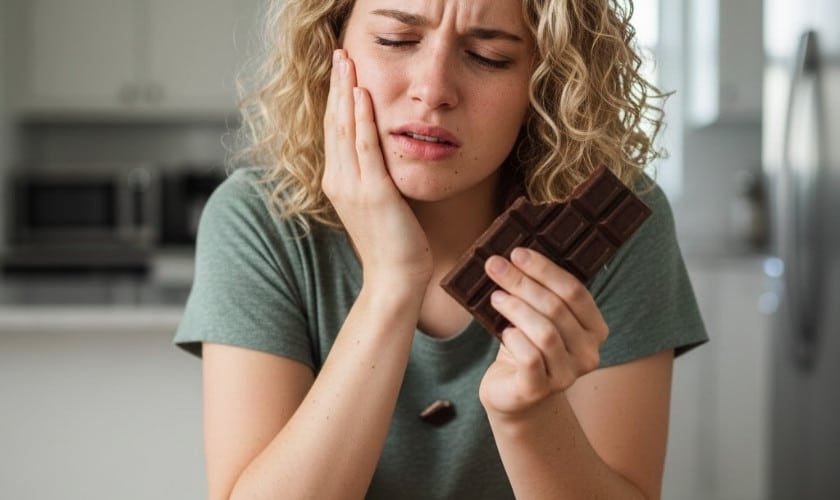
Getting a dental implant is a game-changer for restoring your smile and chewing ability, but the recovery process demands careful attention to your diet.
Dental implants involve surgically placing a titanium post into your jawbone to act as an artificial root, topped with a crown that looks and functions like a natural tooth. For a seamless outcome, the first few weeks post-surgery are critical. Your body is healing the surgical site, integrating the implant (a process called osseointegration), and fighting off potential infections. Dairy products – think milk, cheese, yogurt, and ice cream – can complicate this delicate phase. Let’s break down the key reasons why avoiding them is non-negotiable.
The Sticky Science: How Dairy Promotes Bacterial Growth
One primary culprit is dairy’s high lactose content, a natural sugar that feeds oral bacteria. During implant recovery, your mouth is vulnerable. The surgical site has incisions, stitches, and an open wound where bacteria can thrive. Lactose breaks down into simpler sugars, creating an ideal environment for plaque-forming microbes like Streptococcus mutans. These bacteria produce acids that erode healing tissues and increase infection risk.
Studies from the Journal of Oral Implantology highlight that sugary residues, including those from dairy, can delay wound healing by up to 30% in the early post-op period. Imagine pouring fuel on a smoldering fire – dairy does just that to potential infections. Even seemingly harmless yogurt can leave a film that traps debris, making it harder for your saliva’s natural defenses to keep things clean.
Calcium and Casein: The Clogging Duo
Dairy is packed with calcium and casein, a milk protein that forms a sticky residue when it interacts with saliva. This combo creates a calcifying biofilm – a hard, plaque-like layer that adheres to teeth and implants. Post-implant, your gums are swollen and sensitive, and vigorous brushing or flossing isn’t feasible yet. That residue builds up quickly, potentially leading to peri-implantitis, an inflammatory condition that affects up to 20% of implants if not managed.
Casein is particularly problematic because it coagulates in the mouth, forming curds that lodge in crevices around the implant site. A 2022 study in the International Journal of Oral & Maxillofacial Implants found that dairy consumption in the first two weeks post-surgery correlated with higher rates of minor complications like localized inflammation. Opting for dairy-free alternatives lets your implant site breathe and heal without these obstructions.
Temperature and Texture Risks for Fresh Implants
Many dairy favorites are cold (ice cream, chilled milk) or creamy (soft cheeses), which pose texture and temperature challenges. Right after surgery, your mouth craves soft, lukewarm foods to minimize irritation. Cold dairy can trigger vasospasms – sudden blood vessel constrictions – that reduce blood flow to the healing area, slowing tissue repair. Hot dairy, like warm milk, risks burns on numb or sensitive tissues.
Texturally, dairy’s gooey nature makes it hard to rinse away. Chewing yogurt or cheese requires subtle jaw movements that could dislodge clots or stress the implant. For single tooth implants, precision matters even more. A single tooth implant specialist, Fort Wayne patients trust, knows that even minor disruptions can compromise the titanium post’s bond with bone.
Acidic Dairy Byproducts and pH Imbalance
Fermented dairy, like yogurt or kefir, reintroduces acids from lactic acid bacteria. While probiotics sound beneficial, in a fresh surgical site, they drop your oral pH below 5.5, the threshold for enamel and tissue demineralization. This acidity irritates incisions and hinders fibrin clot formation, essential for stopping bleeding and kickstarting healing.
Research from the American Dental Association emphasizes maintaining a neutral oral environment post-implant. Dairy’s pH-disrupting effects can extend bleeding time and invite dry socket-like issues, though rarer with implants than extractions.
Dairy and Dry Socket: A Hidden Threat
Though more common after tooth extractions, dry socket (alveolar osteitis) can mimic implant complications. It occurs when the protective blood clot dislodges, exposing bone and nerves to air, food, and bacteria. Dairy’s sticky particles are prime culprits for mechanical disruption – sucking on a milkshake or spooning pudding creates suction that pulls at the site.
A review in Clinical Oral Implants Research notes that patients avoiding dairy in week one reported 40% fewer clot-related issues. Our experienced dentist will stress this to safeguard your progress.
How Long Should You Avoid Dairy?
Guidelines vary slightly by case complexity, but most oral surgeons recommend a dairy ban for 7-14 days minimum. Week one is strict – no exceptions. By week two, if swelling subsides and your dentist approves, introduce low-lactose options like aged hard cheeses sparingly. Full clearance often comes at the 4-6 week follow-up, once osseointegration begins.
Factors influencing duration include:
- Implant type: Single units heal faster than multiples or full-arch.
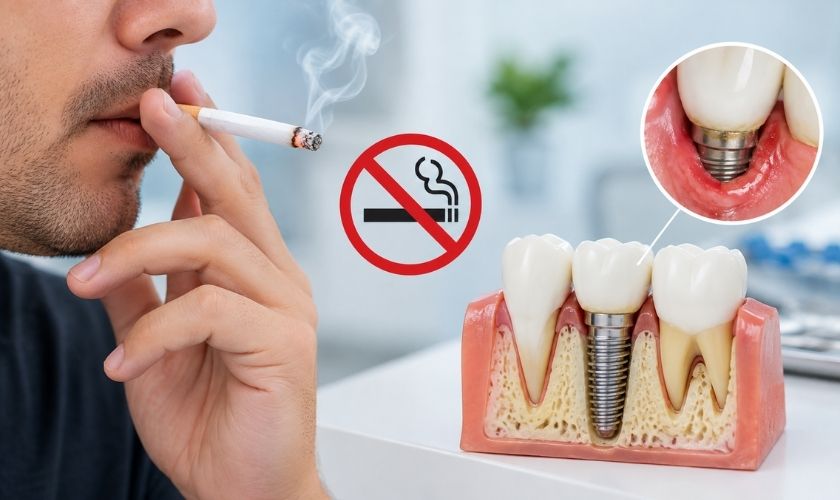
- Your health: Diabetics or smokers may need longer restrictions.
- Site location: Lower jaw implants face more chewing stress.
Always book an appointment for personalized timelines – don’t guess.
Dairy-Free Alternatives for Tasty Recovery Meals
Craving comfort without compromise? Swap dairy for these nutrient-rich swaps that support bone healing (vital for osseointegration):
- Plant-based milks: Almond, oat, or coconut milk – fortified with calcium and vitamin D.
- Smoothies: Blend bananas, berries, spinach, and nut butters for protein without residue.
- Puddings: Chia seed or avocado pudding mimics creamy textures safely.
- Proteins: Eggs, fish, tofu, or nut butters provide casein-like benefits minus the stickiness.
- Calcium sources: Leafy greens, fortified orange juice, or sesame seeds keep your jaw strong.
These keep calories up (healing burns 20% more energy) while slashing risks. Pro tip: Stick to room-temperature foods and use a straw sparingly to avoid suction.
Long-Term Benefits of Dairy Caution
Skipping dairy isn’t just short-term – it sets habits for implant longevity. Implants last 15-25 years with proper care, but a poor diet accelerates wear. By training your palate away from sticky foods, you reduce plaque buildup and maintain gum health, lowering peri-implantitis odds by 50%, per long-term studies.
When to Call Your Dentist
Watch for red flags like persistent bleeding, pus, fever over 101°F, or worsening pain after day three. These signal infection, where dairy indiscretions might play a role. Prompt intervention preserves your implant.
In summary, ditching dairy post-implant protects against bacteria, residue, temperature shocks, acidity, and clot loss – paving the way for a strong, lasting result. Patience pays off in a confident smile.
FAQs
1. Can I have lactose-free dairy after my implant?
Lactose-free options reduce sugar risks but still carry casein and calcium residue issues. Wait at least 7-10 days and consult your dentist.
2. Why is yogurt specifically bad for implant recovery?
Yogurt’s live cultures produce acids and stick to wounds, promoting bacterial overgrowth and delaying healing.
3. How does dairy affect osseointegration?
Indirectly, through inflammation and infection risk, which can weaken the bone-implant fusion process.
4. Are there any dairy products safe immediately after surgery?
None in the first 48-72 hours. Even ice cream’s cold temperature and suction from eating it pose dangers.
5. What if I accidentally consume dairy?
Rinse gently with saltwater, avoid the area, and monitor for swelling. One slip rarely dooms recovery, but don’t repeat.
6. How much calcium do I need without dairy during recovery?
Aim for 1,000-1,200 mg daily from non-dairy sources like broccoli, almonds, and fortified plant milks to support jawbone health.
7. When can I resume my normal dairy intake fully?
Typically, 4-6 weeks after your follow-up confirms healing. Factors like smoking or diabetes may extend this.