4626 West Jefferson Blvd. Fort Wayne, Indiana 46804


Can Dental Veneers Be Placed on Dental Crowns?
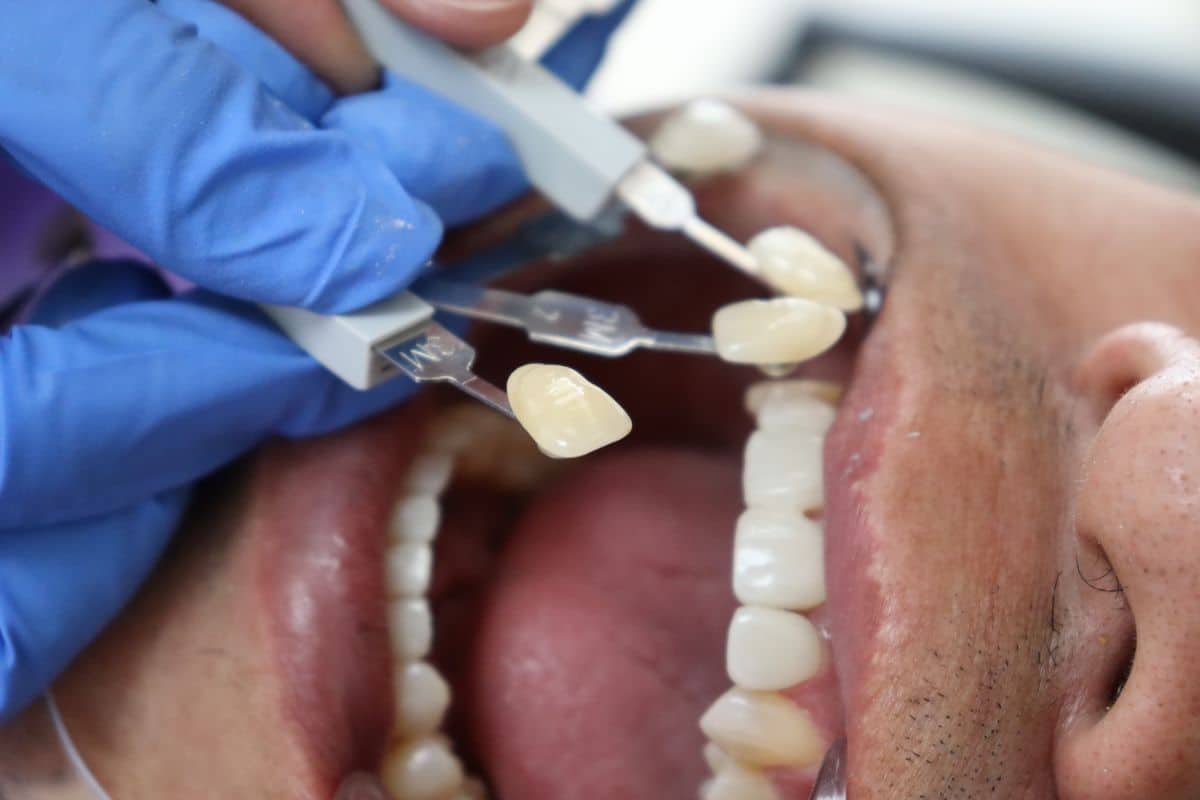
If you have dental crowns, you may wonder if it’s possible to get veneers put on them. The answer is yes – getting veneers on your crowns is possible. However, there are a few things to keep in mind before you decide to do this. In this blog post, we’ll discuss veneers and the benefits and drawbacks of getting them on your dental crowns. We’ll also help you decide if this is the right option. So, if you’re curious about getting veneers on your dental crowns, keep reading!
What Are Porcelain Veneers?
Thin layers of fine, stain-resistant dental porcelain are used to create veneers, typically only one millimeter thick. A veneer is a thin shell bonded to the front of a tooth to improve its appearance without removing any of the tooth’s natural structure. Your dentist will work with you to create a restoration that fits snugly over the front of your tooth. As the cement adheres best to a rougher surface, your dentist will remove around half a millimeter of enamel from the front of your tooth before placing the porcelain veneer. On the other hand, the veneer type determines how much enamel must be removed. Remember that veneers can only be applied to teeth with healthy, substantial amounts of enamel already present.
Dental veneers come in various materials, including porcelain and composite resin, so weighing your options is crucial. Porcelain veneers and composite veneers are both common names for them.
You can correct teeth discoloration with veneers if it has resulted from:
- Filing of a tooth’s canals
- Dosage-related discoloration, such as tetracycline
- Substantial Fluoride Content
In addition to closing gaps and restoring the appearance of crooked, misaligned, or chipped teeth, veneers can also be used to restore the natural color of the tooth enamel.
What Are Dental Crowns?
Since a dental crown covers the entire tooth, it will require more of the natural tooth to be removed before it can be cemented in place. Restoration of decayed, cracked, or damaged teeth is the usual purpose of a crown. If decay is to blame for needing a dental crown, your dentist must remove the affected area before proceeding with the crown. Crowns for teeth are often made of porcelain, porcelain fused to metal (PFM), or a metal alloy. The crown will be custom-made to fit over your tooth and cemented into place by your dentist.
Dental crowns cover and strengthen teeth that are particularly vulnerable or have extensive fillings; not much of the natural tooth structure is left. Crowns are not just for cosmetic purposes but can also be used to cover dental implants, restore damaged teeth, or even anchor dental bridges.
Crowns for teeth are different from veneers since they cover the tooth entirely. Crowns are usually required in cases where:
- A weak tooth needs special care to prevent further harm.
- Fill in a tooth that has been chipped, worn down, or shattered due to tooth decay.
- Protect a badly damaged tooth with a crown.
- Maintain the position of a dental bridge and keep the tooth intact.
- Avoid embarrassment by hiding a discolored tooth.
Is it better to get veneers or crowns?
There are pros and cons to both crowns and veneers. Crowns are more expensive, but they last longer. Veneers are less costly and can be done in a single visit, but they don’t last as long as crowns. Ultimately, the decision will come down to what’s most important to you. You might want to consider a few factors when comparing these two dental restoration procedures!
Veneers vs. Dental Crowns: Costs
Crowns made of porcelain or ceramic are more expensive than their metal equivalents. However, because of their cosmetic improvement, dental insurance will typically pay for a percentage of the cost of crowns but not the cost of veneers. No matter what kind of dental work you require, veneers or crowns, your dentist should be able to work out a payment plan to make it more manageable financially.
Veneers vs. Dental Crowns: Similarities
The cosmetic and practical benefits of dental veneers and crowns are similar. They are commonly used to repair teeth that have been stained, misaligned, decaying, chipped, cracked, shattered, or otherwise compromised. Except for all-metal crowns, veneers and crowns can be crafted to match the shade of your natural teeth for a natural appearance. It’s not easy to tell the difference between a veneer and a crown once they’ve been placed because they both improve your smile in similar ways. Crowns and veneers require very similar maintenance routines. You should clean them twice daily with toothpaste and floss, just like the rest of your teeth. Professional cleaning and checks on the restorations will also necessitate routine trips to the dentist.
Veneers vs. Dental Crowns: Differences
Veneers and crowns differ most noticeably in how they are custom-fit to the tooth and why they are necessary. Dental crowns cover the entire tooth, while porcelain veneers only cover the visible portion of a tooth’s front. Since less gum is shown with veneers than with crowns, they are generally preferred for cosmetic reasons. Crowns are more robust than dental veneers because they are thicker (2 mm vs. 1 mm). Comparatively, a crown may last you a lifetime, whereas you must replace veneers at some point.
Because veneers and crowns appear to serve the same purpose, they must be utilized interchangeably, right? In reality, no. Your dentist’s treatment recommendation will be based on their assessment of your unique dental health needs. If your tooth is severely fractured, has a large filling, or has a root canal, a dental crown is the best option for protecting the tooth’s remaining enamel from further harm. However, porcelain veneers are ideal solely for cosmetic reasons. Porcelain veneers are the treatment of choice if your tooth structure is largely unharmed and needs minor adjustments to the shape or look.
How long do crown veneers last?
It really depends on how well you take care of them and how often you eat and drink. Crown veneers can last anywhere from 5 to 10 years, but they may not last as long if you don’t take care of them properly or if you eat and drink a lot.
To ensure your crown veneers last as long as possible, brush your teeth at least twice a day, floss once a day, and visit your dentist for regular checkups and cleanings. Also, avoid eating foods high in sugar or acids, which can damage the veneers. And finally, remember to drink lots of water – this will help keep your teeth and gums healthy.
Do crowns last longer than veneers?
Crowns typically last longer than veneers, but this varies depending on the individual.
Crowns are a type of dental restoration that covers the entire visible surface of a tooth. They are made from various materials, including metal, ceramic, and resin. Crowns restore teeth damaged by decay, infection, or trauma.
Also Read: How To Get Your Teeth Prepped For Veneers
Call Family Dentistry & Aesthetics To Learn More About Veneers on Crowns
If you are considering veneers on crowns, be sure to call us today for a consultation. Our team of experts will work with you to create a treatment plan that meets your needs and helps you achieve the beautiful smile you deserve. Don’t wait any longer – call us today!